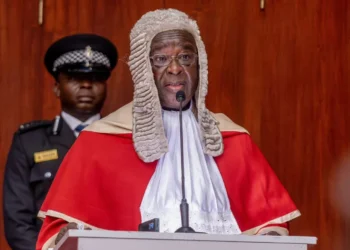
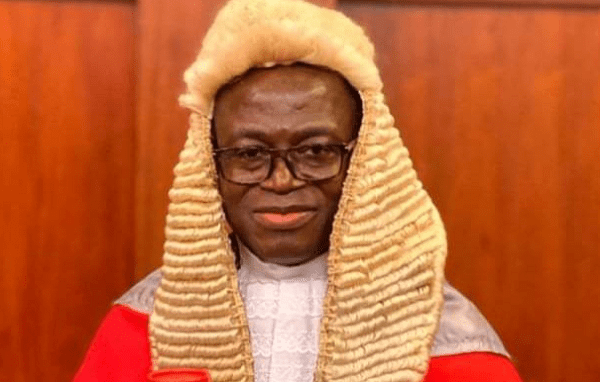
The petition seeking the removal of Supreme Court Justice Yonny Kulendi has failed to meet the constitutional threshold required to trigger impeachment proceedings, following a determination by the Chief Justice that the allegations disclosed no prima facie case.
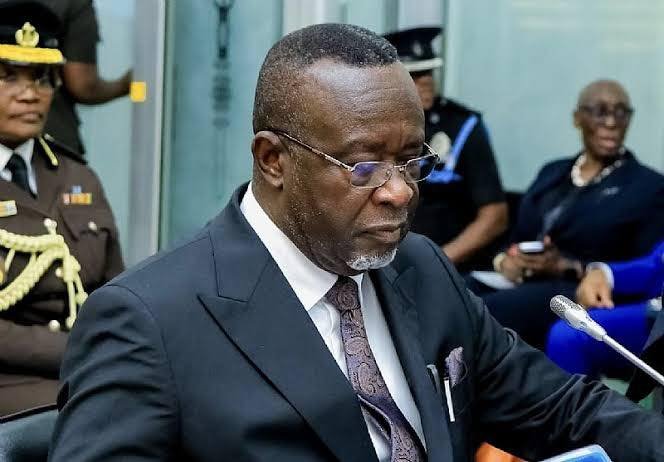
The development was confirmed by Hon. Felix Kwakye Ofosu, Presidential Spokesperson and Minister of State in Charge of Government Communications.
Addressing the matter, Hon. Kwakye Ofosu explained that the process followed strictly adhered to the requirements of Article 146 of the 1992 Constitution, which governs the procedure for handling complaints against Justices of the Superior Courts.
According to him, once the petition was submitted, the President acted in line with the Constitution by forwarding it to the Chief Justice for an initial assessment.
“In the matter of a petition brought against Justice Yonny Kulendi, the President forwarded the petition to the Chief Justice to determine whether or not there was a prima facie case in accordance with Article 146 of the Constitution,” Hon. Kwakye Ofosu stated. He added that the Chief Justice, after reviewing the allegations, concluded that the petition did not meet the standard required to warrant further inquiry.
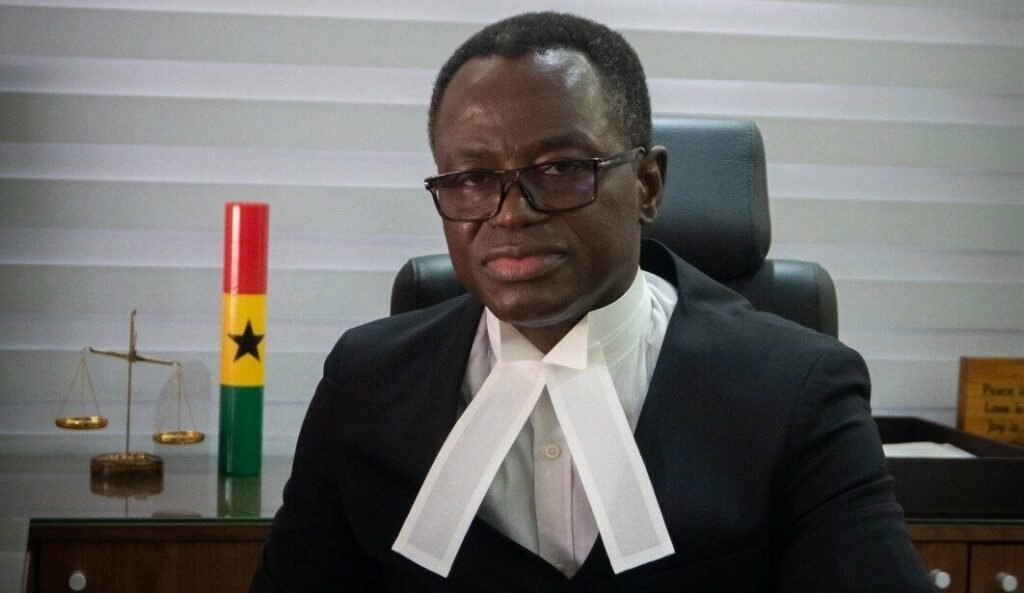
The Chief Justice, His Lordship Justice Paul Baffo-Bonnie, subsequently communicated his assessment to the President, indicating that the petition failed to disclose a prima facie case. Based on this advice, the President formally informed the petitioner of the outcome, bringing the process to a close at the preliminary stage.
The petition was submitted to the Presidency on September 30, 2025, by a private citizen, Daniel Marfo Ofori-Atta. It accused Justice Kulendi of what the petitioner described as “stated misbehavior” and alleged improper interference in the high-profile ambulance procurement case, Republic v. Cassiel Ato Forson & 2 Others.
That case attracted significant public attention due to its political and legal implications. At the heart of the petition were claims that Justice Kulendi breached judicial ethics by engaging in discussions about the prosecution of his cousin, Richard Jakpa, who is the third accused in the case, with the then-Attorney General, Godfred Dame.
The petitioner argued that such alleged interactions compromised the integrity of the judicial process and warranted the removal of the judge from office.
No Prima Facie
However, the Chief Justice’s finding that the petition disclosed no prima facie case means that the allegations were not considered sufficient, on their face, to justify the establishment of a committee to investigate the matter further. Under Article 146, only petitions that meet this initial threshold can proceed to a formal inquiry.
Hon. Kwakye Ofosu emphasised that the outcome demonstrates the robustness of Ghana’s constitutional safeguards for both judicial independence and accountability.
He noted that while citizens have the right to petition for the removal of judges, the Constitution deliberately sets a high bar to prevent frivolous or politically motivated claims from undermining the judiciary.
The Presidential Spokesperson indicated that the process worked exactly as the Constitution intended, stressing that the President did not exercise personal discretion in the matter but relied entirely on the advice of the Chief Justice, as required by law. He said this approach reinforces confidence in the separation of powers and the rule of law.
The decision effectively clears Justice Kulendi of the allegations at this stage and allows him to continue discharging his duties on the Supreme Court without interruption. It also brings closure to a petition that had the potential to further inflame public debate around the already contentious ambulance procurement trial.
The Chief Justice’s determination underscores the importance of evidence and clarity in petitions brought under Article 146. Allegations must be sufficiently grounded and supported to pass the prima facie test, which serves as a safeguard against abuse of the impeachment mechanism.
The case will also renew public discussion about the balance between judicial accountability and the need to protect judges from undue pressure. While the Constitution provides a pathway for addressing genuine misconduct, it also shields the judiciary from being destabilised by unsubstantiated claims.
For the government, the handling of the petition offers an opportunity to reaffirm its stated commitment to constitutionalism and due process. By following the prescribed procedure and making the outcome public through an official spokesperson, the Presidency has sought to demonstrate transparency in a sensitive matter involving a member of the highest court.

In confirming the outcome, Hon. Kwakye Ofosu expressed hope that the clarification would put speculation to rest and reinforce public trust in Ghana’s democratic institutions.
With the Chief Justice’s finding now communicated and the President’s role concluded, the matter of the petition against Justice Yonny Kulendi stands resolved, reaffirming the constitutional protections that govern Ghana’s judiciary.
READ ALSO: Global Oil Prices Hit Below $60