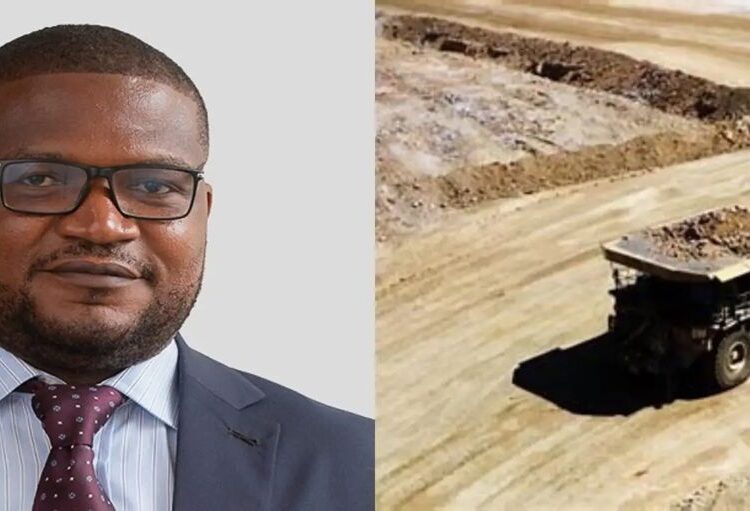
Minerals Commission of Ghana has solidified its commitment to advancing ethical extraction and indigenous business growth by spearheading strategic engagements at the 2025 Mining Industry Marketing Expo (MIME).
Hosted at the University of Mines and Technology (UMaT) in Tarkwa, the Commission utilized this high-level forum to align regulatory frameworks with the evolving needs of Ghana’s extractive value chain.
“These efforts align with the broader objective of ensuring that Ghana’s mining sector remains competitive, inclusive, and anchored in sustainable national development.”
Minerals Commission
By facilitating direct dialogue between global mining giants and local service providers, the regulator aimed to bridge the gap between policy intent and industrial practice, ensuring that the sector’s 2025 production forecasts projected to reach up to 5.1 million ounces of gold translate into tangible domestic economic gains.
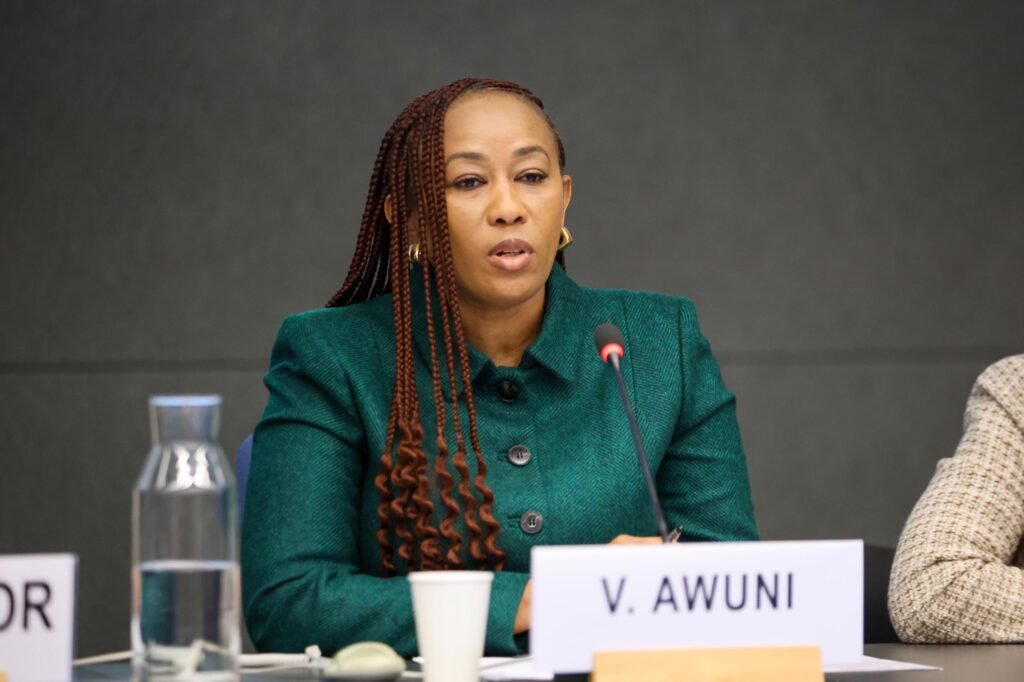
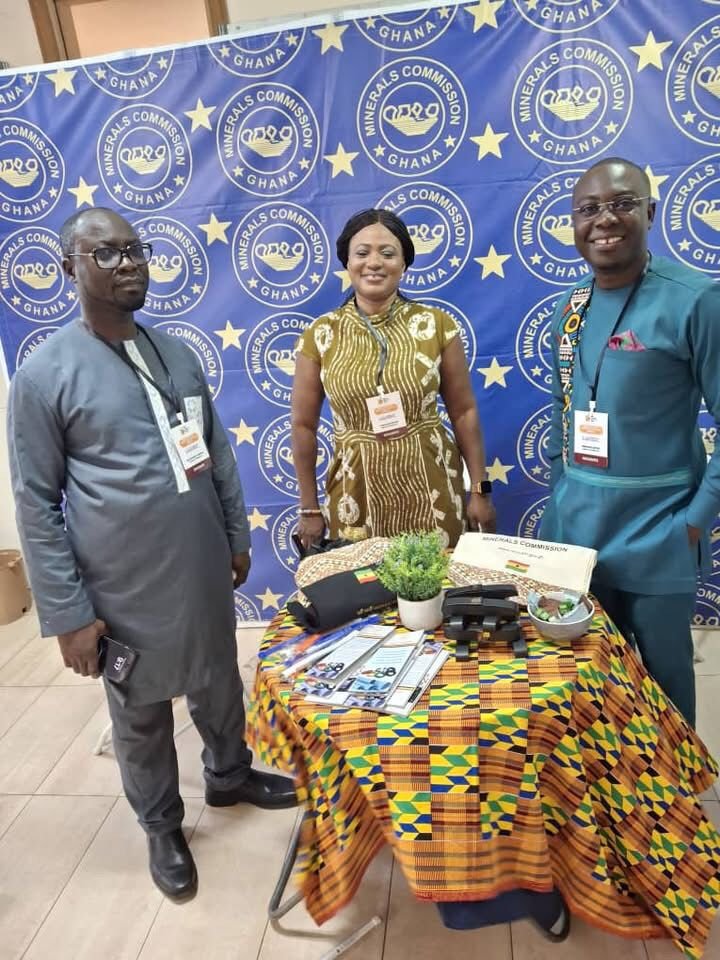
This year’s participation, led by Deputy CEO for Policy Planning, Mineral Titles & Local Content, Madam Victoria Awuni, focused on dismantling the “dig and ship” colonial legacy in favor of a value-added industrial model.
Alongside Mr. Ben Birch-Mensah, Director of Local Content, the delegation unveiled updated programs designed to lower entry barriers for Ghanaian firms while maintaining rigorous compliance standards.
Through a dedicated interactive booth and technical presentations, the Commission provided a roadmap for stakeholders to navigate licensing procedures and tap into the growing demand for mining inputs, which saw expenditures exceed $3.5 billion in previous cycles.
Strategic Policy Interventions and Regulatory Evolution
Under its current reform agenda, the Minerals Commission has introduced transformative measures such as the nine-year limit on prospecting licenses to curb “license squatting.”
This “use it or lose it” policy is a cornerstone of the 2025 strategy, intended to ensure that mineral rights are held only by entities actively contributing to the economy.
Furthermore, the Commission has integrated traditional authorities into the licensing process, making their endorsement mandatory to align mining activities with community interests.
These efforts are complemented by the Cooperative Mining Scheme, which empowers local groups to manage sustainable ventures under the guidance of the regulator and traditional leaders.
The regulatory push also extends to environmental stewardship, where the Commission has intensified its monitoring of water bodies and forest reserves.
To combat the persistent challenge of illegal mining, or ‘galamsey,’ the Commission has deployed marine vessels and trained river wardens, reinforcing that “operating without the necessary permits is considered illegal mining.”
By aligning these enforcement actions with the new Green Minerals Policy, the Commission is positioning Ghana not just as a gold producer, but as a hub for critical minerals like lithium, which are essential for the global energy transition.
Overcoming Structural Hurdles in Local Participation
Despite significant progress, Ghana’s mining sector faces structural challenges, including a heavy reliance on imported high-tech solutions and a tech ecosystem that remains hardware-averse.
While local procurement spending has trended upward from $1.89 billion in 2021 to over $2.4 billion in 2023 industry observers note that “buying overalls locally is a start; building factories to manufacture those components is the destination.“
The Commission is addressing this by collaborating on a “Mining Hub Study” aimed at converting mining demand into local industrial capacity through specialized skills training and technology transfer.
Financial constraints and rising input costs also narrow the profit margins for local suppliers trying to compete for OEM-level contracts.
To mitigate this, the Minerals Commission’s Local Content Regulations (L.I. 2431) now mandate that a minimum of 60% of financial services and revenue from sales be channeled through local banks.
By enforcing these “financial localization” rules, the Commission ensures that the capital-intensive nature of the industry does not lead to total capital flight, but instead strengthens the domestic banking and insurance sectors.
Fostering B2B Synergy for Sustainable Growth
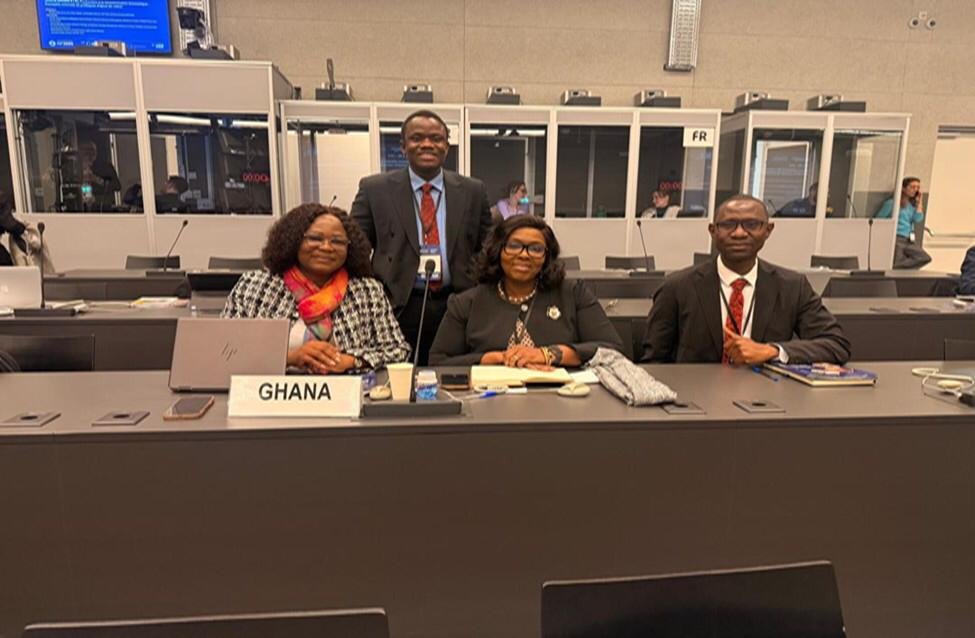
The Business-to-Business (B2B) sessions at MIME 2025 served as a primary mechanism for the Commission to facilitate “meaningful partnerships” between multinational operators and Ghanaian entrepreneurs.
These sessions allowed local manufacturers of reagents, grinding media, and electrical cables to interface directly with procurement heads from major mines.
The Commission’s role as a facilitator underscores its belief that “the trajectory is unmistakable: Ghana is buying more from Ghana,” provided that local firms can meet international quality and safety benchmarks.
Ultimately, the Minerals Commission’s presence at the Expo reflects a broader shift toward inclusive growth where the mining sector serves as the “backbone of the economy.”
By combining rigorous inspection and compliance with proactive promotion and development, the Commission is ensuring the sector remains competitive in an era of automation and decarbonization.
These collaborative efforts at UMaT reaffirm that the future of Ghanaian mining lies in a balanced ecosystem where responsible resource exploitation and robust local manufacturing go hand-in-hand to anchor sustainable national development.
READ ALSO: Zugraan Asigri Abugrago Azoka II Affirmed as Bawku Naaba in Otumfuo’s Final Mediation Report