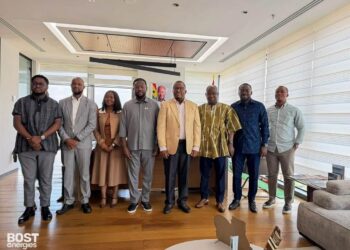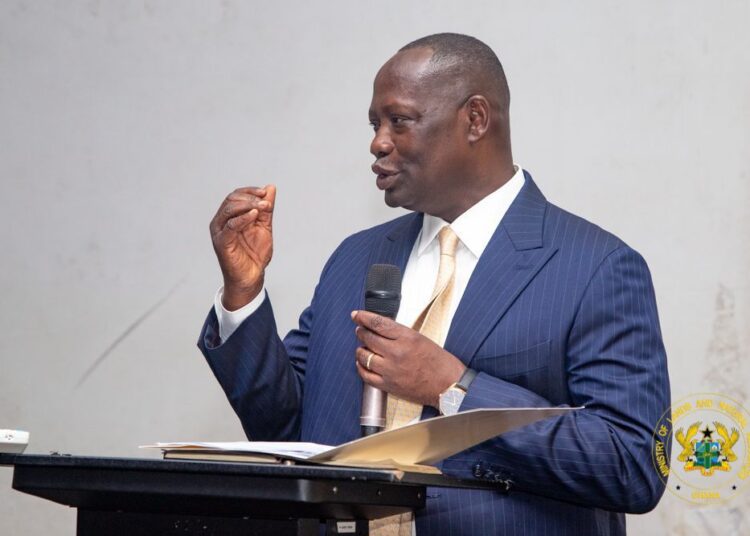
Minister for Lands and Natural Resources, Hon. Emmanuel Armah-Kofi Buah, has intensified the government’s strategic overhaul of the Ewoyaa lithium project by convening an urgent consultative assembly with key Civil Society Organisations (CSOs) following the strategic withdrawal of the mining agreement from Parliament.
This decisive move aims to recalibrate the fiscal and operational framework of the deal to ensure it aligns with the “new vision for lithium exploration” that prioritizes national sovereignty and community-led development over immediate commercial gains.
In a comprehensive deliberation held with the CSOs, the Minister detailed the administration’s shift toward a more inclusive mineral governance model, necessitated by the recall of the agreement last week.
“Government is committed to harvesting more inputs in making Ghana’s lithium discovery a blessing to all. The Ministry will continue to engage more stakeholders towards the conclusion of a new deal, and my doors remain open to further interactions on the subject matter.”
Ministry of Lands and Natural Resources
He further emphasized that the government is “focused on crafting a deal that benefits the local Ewoyaa community and the country at large,” particularly as the global energy transition elevates the strategic value of critical minerals.
The meeting served as a technical platform for the Ministry to bridge the gap between state objectives and the expectations of extractive sector watchdogs, ensuring that the next iteration of the agreement with Barari DV, the local subsidiary of Atlantic Lithium, withstands public and parliamentary scrutiny.
Strategic Stakeholder Engagement and Fiscal Realignment
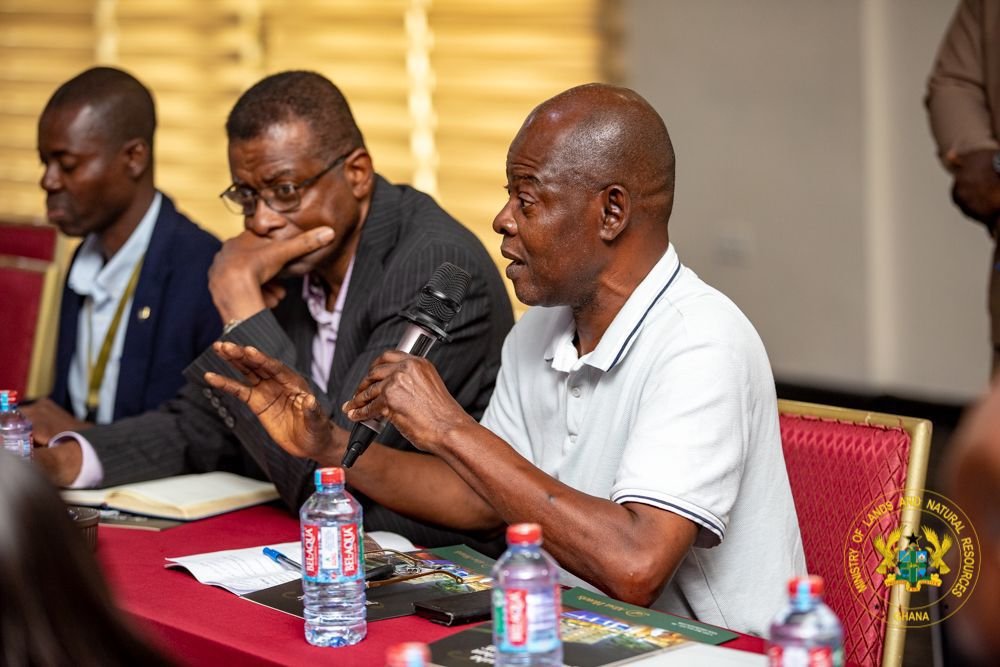
Responding to the Minister’s call for “honest and constructive feedback,” representatives from leading think tanks including the African Centre for Energy Policy (ACEP) and the Natural Resource Governance Institute (NRGI) presented rigorous critiques of the previous document’s financial architecture.
Benjamin Boakye of ACEP and Patrick Stephenson of NRGI led discussions on the necessity of optimizing Ghana’s royalty stakes and equity allocations to prevent the “value leakage” often associated with traditional gold and diamond contracts.
These “cogent inputs,” as described by the Ministry, also addressed the urgent need for robust environmental safeguards and health and safety protocols that protect the livelihoods of those within the project’s immediate footprint.
The engagement underscored a shared consensus that the Ewoyaa project must serve as a blueprint for “green mineral” governance in Africa.
Dr. Steve Manteaw, a veteran of extractive sector transparency, commended the Minister for “creating an enabling environment to deepen stakeholder engagement,” noting that such transparency is vital for securing the social license to operate.
By acknowledging concerns ranging from gender inclusivity in mining jobs to long-term sustainability,
Hon. Armah-Kofi Buah pledged to “incorporate all the criticisms and suggestions into the revised agreement,” signaling a departure from the top-down approach that characterized previous mineral negotiations.
Resolving Controversies and Building National Consensus
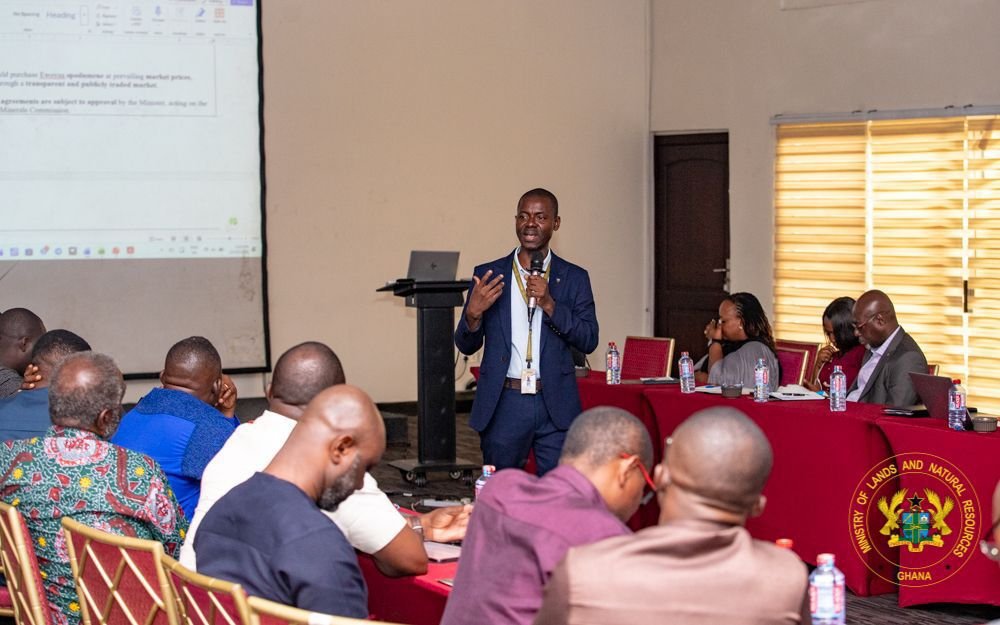
The withdrawal of the lithium deal from Parliament was largely triggered by a firestorm of controversy surrounding the 2023 lease terms, which critics argued undervalued Ghana’s strategic reserves.
Primary points of contention included the perceived inadequacy of the 10% royalty rate and the 13% free-carried interest, which many CSOs felt did not reflect the skyrocketing global demand for battery-grade lithium.
Furthermore, concerns regarding the “realized sales price” versus international benchmarks led to fears that the state could be shortchanged through transfer pricing.
This new round of consultations is designed to rectify these vulnerabilities by establishing indexed pricing safeguards and more aggressive local content requirements.
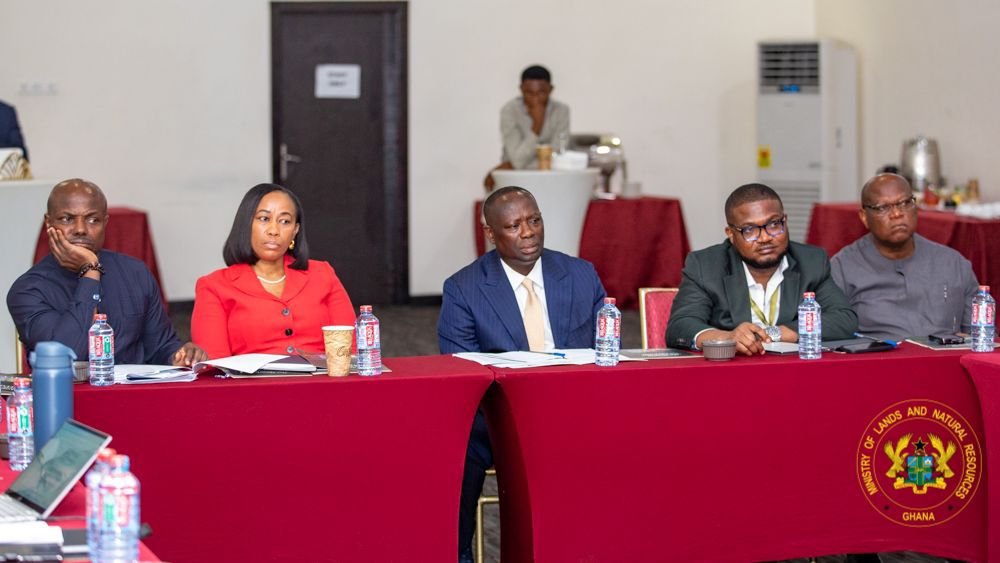
Industry experts believe this “crunch meeting” provides a rare opportunity to harmonize the interests of the state with those of the investor.
Ahmed Salim, Country Manager for Atlantic Lithium, joined the dialogue and “welcomed the views and criticisms,” indicating the company’s willingness to cooperate in drafting a more sustainable document.
By integrating the technical expertise of analysts like Benjamin Nsiah of CEMSE and Samuel Bekoe of CEDA, the Ministry is moving toward a “conscious deal“, one that balances investor certainty with a “fair share” for Ghana.
As the government prepares a series of additional engagements, the focus remains on ensuring that the Ewoyaa project does not merely export raw ore, but serves as a catalyst for domestic industrialization and a lasting economic legacy.
READ ALSO: Renewed Vibrancy in Ghana’s Upstream Sector Revives Investor Confidence