The African Development Fund is increasingly emerging as a cornerstone in Africa’s quest to rebuild financial sovereignty and reduce long-standing structural vulnerabilities.
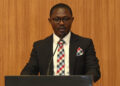
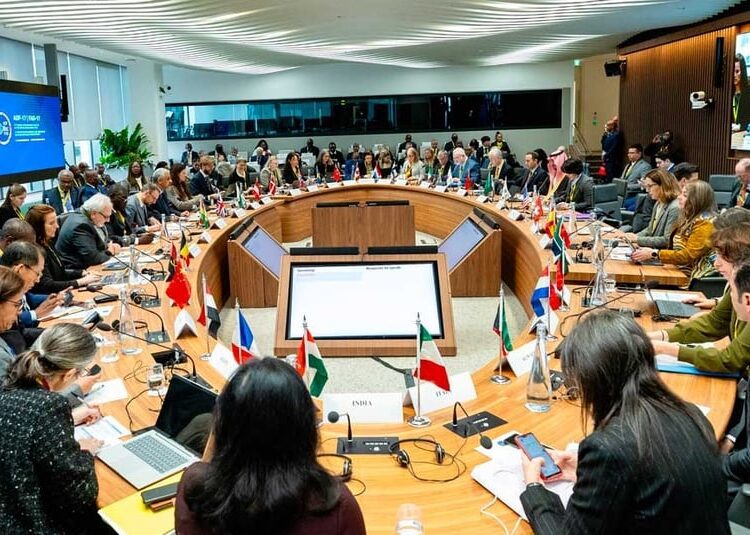
Speaking at the ongoing replenishment discussions for ADF-17, Ghana’s Deputy Minister of Finance, Thomas Nyarko Amprem, underscored the Fund’s strategic relevance in helping African countries withstand economic shocks while accelerating inclusive growth. He described the Fund as an indispensable instrument of the African Development Bank Group, urging development partners and beneficiary countries alike to scale up their commitments.
A defining feature of the ADF-17 cycle is the surge in African participation. The President of the African Development Bank, Sidi Ould Tah, welcomed what he termed an unprecedented rise in both the number and size of African pledges. According to him, the strong show of commitment signals a turning point in development financing on the continent. Africa, he noted, is no longer merely a recipient of concessional support but a co-investor actively shaping its economic destiny.
This growing ownership reflects a deeper shift in mindset. African governments are increasingly viewing the African Development Fund not as aid, but as a strategic investment vehicle capable of unlocking sustainable returns across key sectors.
Concessional Finance with Transformational Impact
As the concessional arm of the Bank Group, the African Development Fund plays a vital role in financing projects in the continent’s most vulnerable economies. Its focus spans infrastructure, agriculture, energy, water, health and education. These sectors are critical for long-term productivity but often remain underserved by commercial markets due to perceived risks and long gestation periods.
By offering financing on highly favourable terms, the Fund fills a crucial gap. Even amid fiscal pressures and domestic constraints, both African countries and international development partners have maintained strong backing for the Fund, recognising its capacity to deliver transformational outcomes where traditional financing falls short.
A central message from the ADF-17 discussions is the powerful leveraging effect of concessional financing. Dr Ould Tah emphasised that each dollar invested in the African Development Fund unlocks more than two dollars and fifty cents in co-financing and private capital. This multiplier effect amplifies the impact of public resources and helps crowd in private sector participation, which is essential for scaling development outcomes across the continent.
He stressed that the replenishment process should be seen as a platform for mobilising investment with measurable economic and social returns rather than a conventional aid exercise.
ADF-17 and the Four Cardinal Points Agenda
ADF-17 also marks the beginning of a new financing era aligned with Dr Ould Tah’s Four Cardinal Points agenda. The strategy focuses on expanding access to capital, rebuilding Africa’s financial sovereignty, harnessing the continent’s demographic dividend, and delivering resilient infrastructure. These priorities reflect Africa’s evolving development needs and the urgency of creating self-sustaining growth models.
According to the Bank’s leadership, the future relevance of the African Development Fund depends on its ability to respond flexibly to emerging challenges while remaining anchored in long-term development objectives.
International partners continue to play a pivotal role in reinforcing the Fund’s impact. The United Kingdom, represented by Jenny Chapman, reaffirmed its commitment to the African Development Fund during the meeting co-hosted with Ghana. The pledge signals continued confidence in the Fund’s governance and development outcomes.
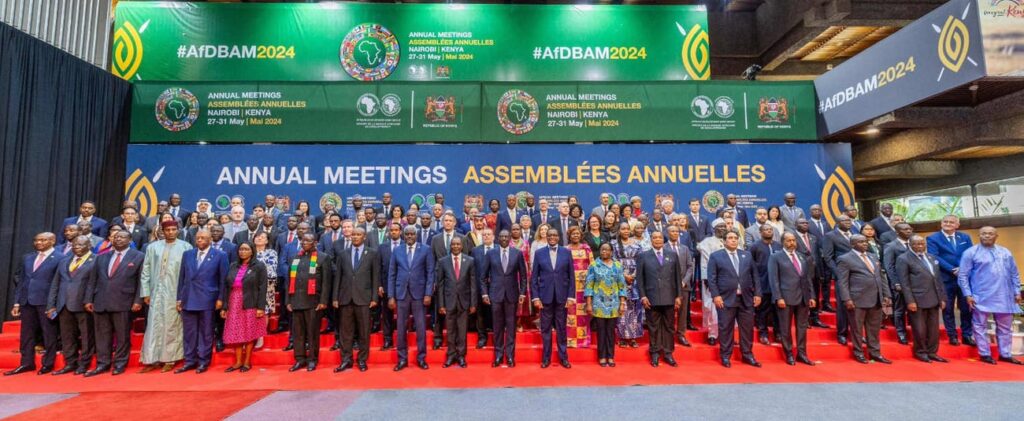
Meanwhile, the President of the Arab Bank for Economic Development in Africa, Abdullah Almusalbeeh, disclosed plans to commence co-financing cooperation with the Fund. Such strategic alignment is expected to enhance resource mobilisation and expand the Fund’s operational footprint across Africa.
The European Bank for Reconstruction and Development, represented by its President Odile Renaud-Basso, also highlighted the strength of its partnership with the African Development Bank Group, further underscoring the Fund’s growing global relevance.
Reflecting on past successes, Ludovic Ngatsé, Chairman of the Board of Governors of the Bank Group, praised the positive impact of ADF-16 and urged members to deepen their contributions to ADF-17. He noted that increased capital would provide the Fund with long-term resources needed to address Africa’s evolving development challenges.
Established in 1972 and financed through three-year replenishment cycles, the African Development Fund stands at a critical juncture. With growing African ownership, stronger global partnerships, and a renewed strategic focus, the Fund is increasingly positioned as a powerful engine for rebuilding financial sovereignty and driving resilient growth across the continent.
READ ASLO:Bank of Ghana Clears the Air: Non-Interest Banking Open to All, Not Religion-Based