Ghana’s electricity demand is projected to rise steadily in 2026 and beyond, driven by ambitious economic reforms, industrial expansion and emerging technologies, prompting renewed calls for strategic investments in power generation and grid resilience.
The Minister for Energy and Green Transition, John Abdulai Jinapor has cautioned that without timely and strategic investments in power generation and infrastructure, the rising demand could place significant pressure on the national power system.
“It is evident that electricity demand will continue to grow in 2026 and beyond,” Dr Jinapor said, pointing to the implementation of the government’s 24-Hour Economy Policy, increased industrial activity, electric mobility and broader economic transformation as key drivers of future consumption.
These developments, he noted, signal a shift in Ghana’s energy needs, with greater emphasis on reliable, round-the-clock electricity supply to support production, services and household welfare.

The proposed 24-Hour Economy Policy is expected to significantly reshape electricity consumption patterns. However, it also implies a sustained increase in baseload electricity demand, particularly from manufacturing, agro-processing and logistics sectors.


According to Dr Jinapor, industrial expansion remains a central pillar of Ghana’s development agenda, and energy supply must keep pace.
The growing interest in electric mobility, though still at an early stage, is also expected to add to long-term electricity demand as electric vehicles and charging infrastructure become more widespread.
Together, these trends underscore the need for forward-looking energy planning that anticipates demand growth rather than reacting to shortages after they emerge.
Strategic Expansion of Generation Capacity
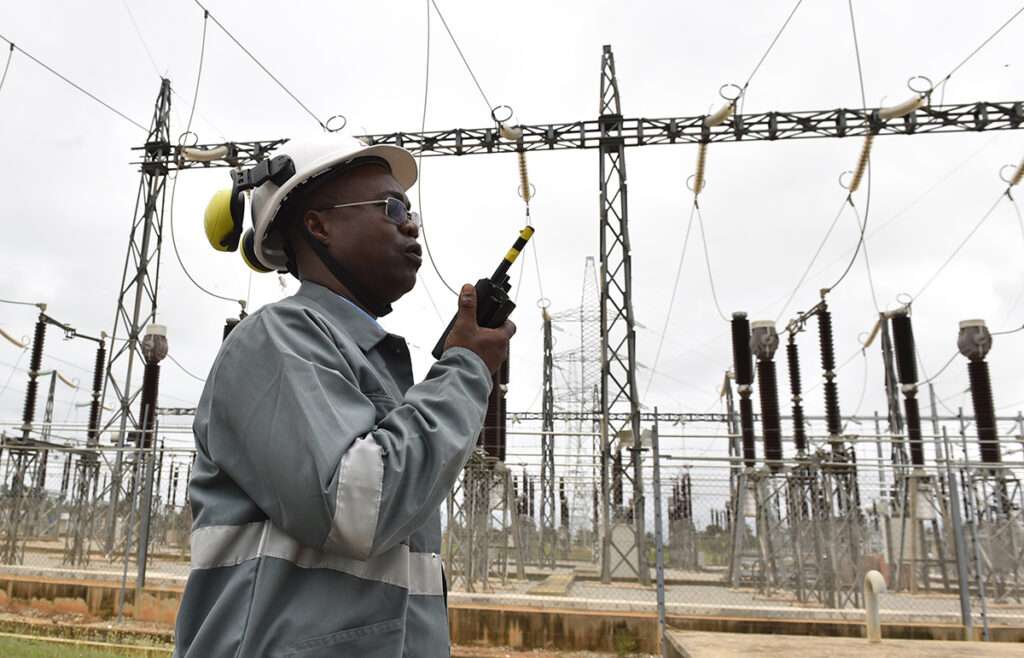
To meet future demand, the energy minister has called for the addition of new generation capacity in a “timely and strategic manner.” He stressed that expansion must be carefully aligned with demand forecasts, fuel availability and the capacity of the transmission grid.
“We must therefore add new generation capacity in a timely and strategic manner, ensuring that generation expansion aligns with demand forecasts, fuel availability, and grid capacity.”
John Abdulai Jinapor, Minister for Energy and Green Transition
Energy experts note that poorly coordinated investments could lead to inefficiencies, stranded assets or grid instability. As a result, authorities are expected to prioritise projects that offer both reliability and flexibility, while ensuring that new power plants can be effectively integrated into the existing system.
Dr Jinapor emphasised that generation expansion must also support Ghana’s green transition objectives. While meeting rising demand is essential, he said sustainability cannot be sacrificed in the process.
“This expansion must also support our green transition objectives, balancing reliability with sustainability.”
John Abdulai Jinapor, Minister for Energy and Green Transition
Ghana has committed to increasing the share of renewable energy in its power mix as part of its climate commitments. Solar projects are expected to play a growing role, complemented by gas-fired generation, which provides a relatively cleaner and more flexible source of baseload power.
The challenge, analysts say, lies in integrating renewables without compromising grid stability, particularly as intermittent sources require robust system management and backup capacity.
Power Stability as an Economic Pillar
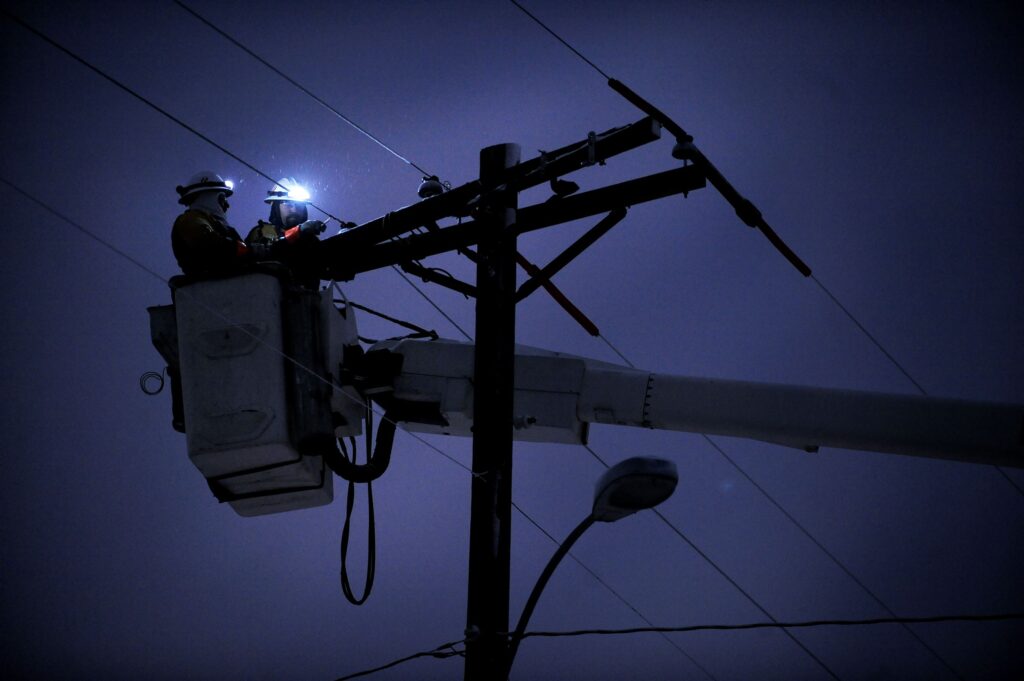
At the heart of the minister’s message is the centrality of power stability to national development.
“I want to emphasize that ensuring a stable, reliable, and affordable electricity supply remains one of our highest priorities.”
John Abdulai Jinapor, Minister for Energy and Green Transition
According to him, power stability underpins economic growth, industrial productivity, job creation and the overall quality of life of citizens.
Past experiences of power shortages, often referred to as “dumsor,” have demonstrated how energy instability can slow economic activity and erode investor confidence.
To prevent such disruptions, Dr Jinapor urged all agencies in the power sector to adopt a proactive approach to risk management. He stressed the importance of early identification of system constraints, timely maintenance and swift response to emerging challenges.
“Any instability in the power supply chain has immediate and far-reaching consequences,” he said, adding that agencies must remain vigilant in addressing vulnerabilities across generation, transmission and distribution.
This proactive stance, he noted, will require stronger coordination among sector institutions, improved data-driven planning and clear accountability for performance.
With strategic generation expansion, strengthened infrastructure and a balanced approach to sustainability, authorities believe Ghana can meet future demand while advancing its green transition.
For Dr Jinapor, the task ahead is clear: ensure that electricity remains a reliable foundation for growth, industrialisation and improved living standards for all Ghanaians.
READ ALSO: ORAL on Track, and Will Succeed – Ablakwa Says Failure Risks Doom for Ghana’s Democracy