
Responsible Cooperative Mining and Skills Development Programme (rCOMSDEP) has set in motion a transformative agenda aimed at ensuring mining host communities receive their fair share of mineral wealth while aggressively tackling the menace of illegal operations.
This strategic initiative, championed by the government, seeks to recalibrate the extractive sector by moving away from exploitative practices toward a model where resource extraction is synonymous with local prosperity.
By focusing on the youth and community development, the programme is designed to bridge the historical gap where companies extract resources and depart, leaving behind environmental degradation and impoverished residents with nothing to show for the depletion of their natural heritage.
“So as part of our mandate, we are supposed to gather some resources from the cooperative mining that we will do for a community development fund. That will be a legacy project that will be done in these communities to show that mining can be done responsibly. It can also benefit the very communities that these illegal activities go on and the people get nothing from.”
Ing. Frank Asare, National Coordinator, rCOMSDEP
Under this framework, rCOMSDEP is mandated to aggregate resources from cooperative mining activities to feed into a dedicated Community Development Fund.
This fund serves as a cornerstone for “legacy projects” intended to provide visible, lasting infrastructure and socio-economic support in areas traditionally neglected by large-scale and unregulated operators alike.
The initiative addresses a dual crisis: the systemic deprivation of mining communities and the proliferation of “galamsey.”


By formalizing small-scale mining into legal cooperatives, the programme creates a structured environment where environmental sustainability, land rehabilitation, and regulatory compliance are non-negotiable, thereby transforming a sector often viewed as a curse into a catalyst for national and local growth.
Juxtaposing Legal Permits Against Field Irresponsibility
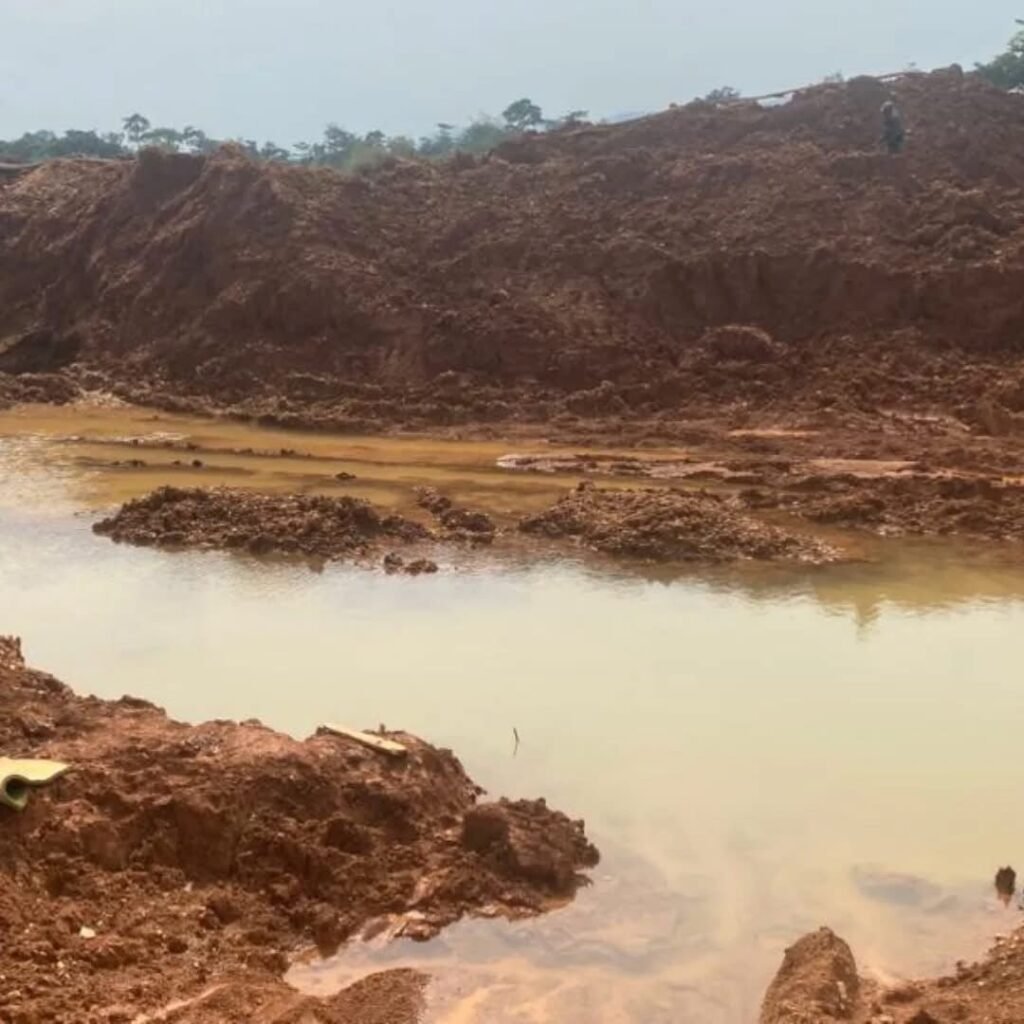
A critical observation raised by Ing. Frank Asare is the deceptive nature of “legal” mining, where possession of a permit does not always equate to responsible behavior.
Many companies operate with the full backing of the law holding valid permits from the Environmental Protection Agency (EPA), the Minerals Commission, and the Water Resources Commission yet their actual field operations tell a different story.
Asare notes that even when a company is “legal by law” because they have been given “permission by the regulatory Authority,” the activities they embark on can be profoundly irresponsible.
This creates a paradox where a project is legally compliant on paper but mimics the destructive footprint of illegal mining in practice.
The National Coordinator argued that if one goes “field underground,” the actual methods employed by some licensed entities can be “termed as illegal” in principle.
To the discerning eye, and as “properly so-called lawyers will say,” the distinction between a sanctioned operation that ignores environmental safeguards and a purely illegal one is negligible.
In both instances, the community bears the brunt of the irresponsibility. rCOMSDEP aims to close this loophole by ensuring that having an operating permit is just the starting point; true legality under the new cooperative model requires “proper compliance” and a commitment to “environmental sustainability” that transcends mere paperwork.
Eradicating Illegality and Empowering the Youth

The second front of the rCOMSDEP strategy targets those who operate entirely outside the “purview of the Regulatory Authority.”
These illegal miners, who evade inspection and ignore compliance, represent the most volatile segment of the sector.
Because “nobody comes to ensure compliance,” these actors do whatever pleases them, leading to a total lack of “environmental rehabilitation.”
This lawlessness has historically stripped the youth of sustainable futures, trading short-term gains for long-term ecological ruin.
The cabinet of John Mahama approved this programme with the “sole aim to help eradicate the illegal mining” by offering a viable, legal alternative that prioritizes job creation and local investment.
The shift toward “responsible mining” is not just for newcomers but is specifically designed for those currently trapped in the cycle of “galamsey.”
By transitioning these individuals into cooperatives, rCOMSDEP provides the legal “purview” and technical support necessary to ensure that mining activities are both profitable and restorative.
The goal is to move from a state of “irresponsible mining” to one where every ounce of gold produced contributes to the Community Development Fund.
This systemic change ensures that the wealth generated from the earth remains in the community to build schools, clinics, and water systems, finally giving the people a tangible stake in the extractive industry.
READ ALSO: Forex Bureaus Under Watch as BoG Enforces New Anti-Money Laundering Rules