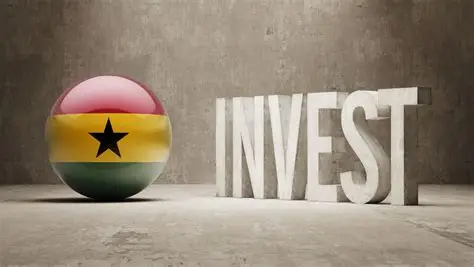
The Ghana Investment Promotion Centre (GIPC) has echoed Ghana’s solid macroeconomic outlook to investors across the world, revealing Ghana’s preparedness for economic expansion and partnership.
In delivering its mandate of promoting and facilitating both foreign and local investments in Ghana by identifying opportunities for economic growth and job creation, GIPC perceives the improved economic situation of the country as the best opportunity to attract investment for the country.
As the primary gateway for investors into Ghana, the GIPC invites individuals, businesses, corporations, groups, countries, the international community, and local investors to invest in Ghana through the GIPC.
“With a stronger macroeconomic outlook and easing inflation, Ghana offers a stable and predictable environment for investors. Explore investment opportunities today through GIPC.”
GIPC
Ghana’s Improved Outlook
The Ghana Statistical Service (GSS) in its latest release disclosed that Ghana’s year-on-year headline inflation for December 2025 dropped to 5.4 percent in December from the 6.4 percent recorded in November 2025, signifying 12 months of consecutive decline.
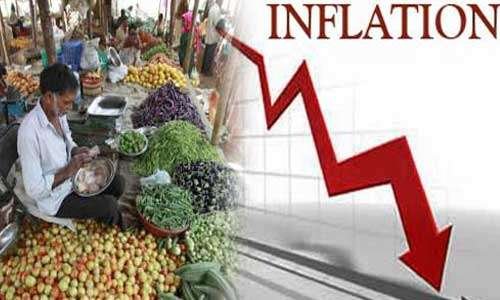
Ghana’s month-on-month inflation for December 2025 stood at 0.9 percent, also signaling a slower pace of price increase from the previous month to end the year on an impressive record.
According to GSS, the sustained disinflation was driven largely by a slowdown in food prices. Food inflation for December 2025 recorded an easing of 4.9 percent, compared to 6.6 percent in November 2025. This reflects the slower prices of certain key food items.
The decline in food inflation and the consequent reduction in the headline inflation offer some relief to households and consumers after periods of elevated price pressures.
Other indicators, such as the stable appreciated Cedi throughout the year 2025, reduced policy rate to 18 percent, and reduced Ghana Reference Rate to 15.68 percent. Following a consistent economic growth over the past 12 months, Ghana has gained a good economic footing to begin the 2026 financial and fiscal year.

According to GIPC, all the sectors of the economy are ripe for investment, especially in the real sector, hence the Centre’s call to investors.
Ghana’s Strategy for Achieving Continuous Growth
Ghana plans to attract investment in 2026 by focusing on macroeconomic stability, infrastructure transformation, and targeted sector growth (energy, digital, agriculture), supported by tax reforms (reduction, abolishing, and improved compliance), easing business regulations (faster registration), leveraging petroleum funds for strategic projects, and promoting a 24-hour economy to boost productivity and create jobs, moving from stabilization to development.
The government has made taxes simple and bearable by reducing the effective VAT rate from 21.9 percent to 20 percent, raising the VAT registration threshold to support small businesses, and cleaning up levies (GETFund, NHIL) to ease business burden and encourage formalization.
The Bank of Ghana, complemented by the Ministry of Finance, has assured the country to maintain the Cedi’s stability. The aim to ensure a stable currency will lower import costs and boost investor confidence.
From the President to the Finance Minister, the government has pledged to continue with the fiscal discipline that aided in the growth gained. The government will consolidate the economy with targeted spending and stronger enforcement on tax arrears.

The government has also unveiled the various investment sectors and strategies of the Ghanaian economy. The energy sector has been reformed to ensure reliable and affordable power, crucial for industrial growth, through renegotiating contracts and improving revenue collection.
Massive infrastructure projects are embarked on under the “Big Push.” About GHS 30 billion has been directed into power, roads, and digital connectivity through blended finance.
Domestic manufacturing is being expanded, import substitution is being promoted, tax holidays and incentives to attract energy businesses have been offered, and digital compliance and e-commerce taxation have been strengthened.

The government has further assured its commitment to boosting the private sector growth to facilitate job creation and also partnering with the private and public sectors to establish the 24-Hour economy initiative.
GPIC, therefore, assures the country’s readiness and conduciveness for investments. The Centre added that Ghana has created and aims to improve the economy’s predictability, efficiency, and opportunity-rich environment by continually fixing fiscal issues, investing in key sectors, and streamlining regulations to attract both foreign and domestic capital.
READ ALSO: Forex Bureaus Under Watch as BoG Enforces New Anti-Money Laundering Rules