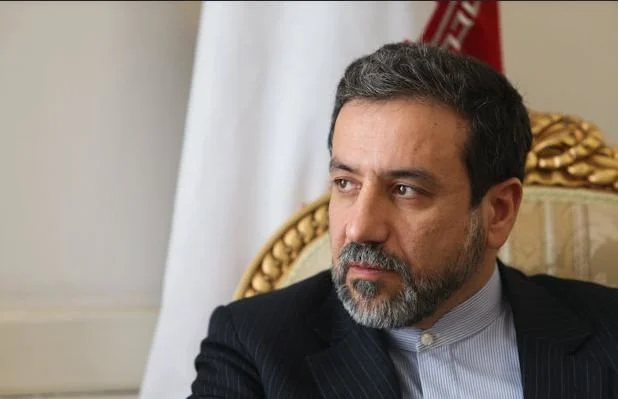
Iranian Foreign Minister, Abbas Araghchi has disclosed that the violence amid protests spiked over the weekend but the “situation is now under total control.”
In comments to foreign diplomats in Tehran, Araghchi alleged that the nationwide protests “turned violent and bloody to give an excuse” for United States President Donald Trump to intervene militarily in the country.
Trump has repeatedly threatened to intervene in Iran as the US military studies the situation while his administration is in contact with Iranian opposition leaders.
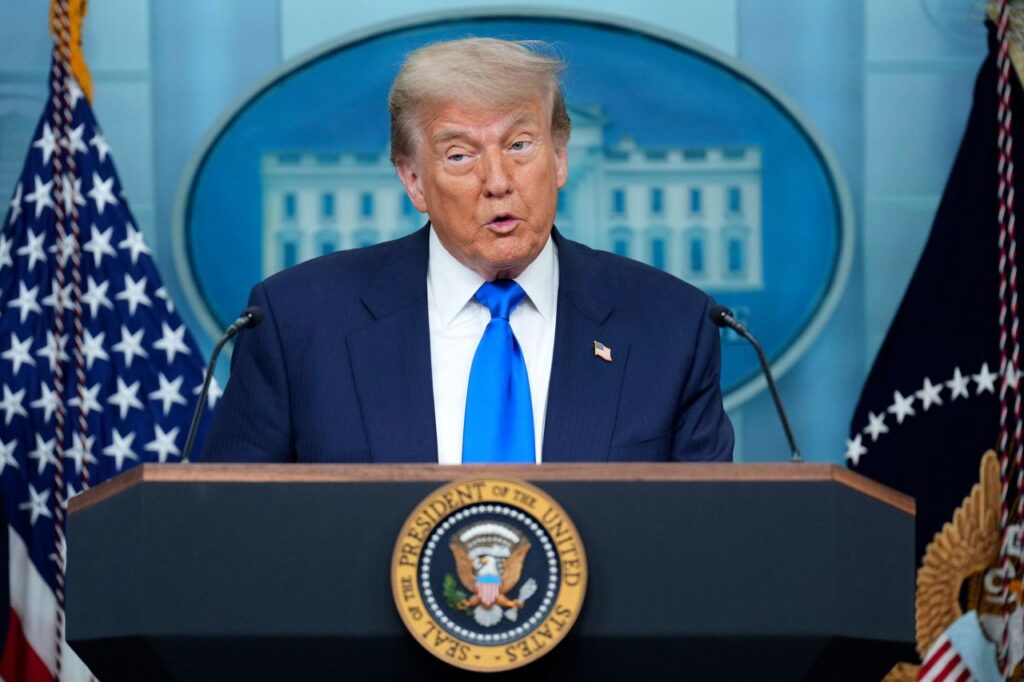
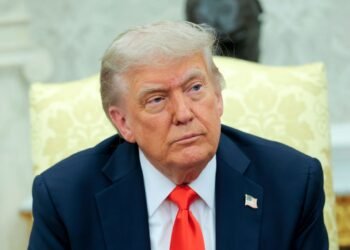
As protests persist despite a security crackdown, Trump told reporters on board Air Force One, yesterday that the US is considering “strong options” in response to the situation in Iran, including possible military intervention.
“We’re looking at it very seriously. The military is looking at it, and we’re looking at some very strong options. We’ll make a determination.”
Donald Trump
Trump added that Iran’s leaders have called “to negotiate” after his threats of military action and a “meeting is being set up.”
Araghchi said that Trump’s warning of military action against Tehran should protests turn violent motivated “terrorists” to target protesters and security forces to invite foreign intervention. “We are ready for war but also for dialogue,” he added.


Araghchi also stated that Iran has footage of weapons being distributed to protesters, adding that authorities will soon release confessions of detainees.

He said that the demonstrations were “stoked and fuelled” by foreign elements, noting that security forces would “hunt down” those responsible.
Iran’s spiralling protests have entered a third week amid a nationwide internet blackout and repeated military intervention threats from Trump.
Initially prompted by anger over the rising cost of living, the demonstrations have evolved into nationwide protests and a serious challenge to the government in place since the 1979 Iranian Revolution.
Iran’s government has declared three days of national mourning for the “martyrs” killed during the protests, including members of the security forces.
The semiofficial Tasnim news agency reported yesterday that 109 security personnel had been killed in the protests. Authorities have not confirmed the number of demonstrators who have lost their lives, but opposition activists based outside the country said that the death toll is higher and includes dozens of protesters.
According to the Critical Threats Project at the Institute for the Study of War, protest activity across Iran began to decline yesterday.
The US-based think-tank noted that the fewer demonstrations likely stems from the government’s nationwide internet shutdown and crackdown on Starlink satellite use.
Internet Blackout Still In Effect In Iran
Meanwhile, a nationwide internet blackout has entered its fourth day, according to reports, a move widely criticised by human rights organisations.
Connectivity watchdog NetBlocks reported internet service across Iran is still down, describing the situation as a “national internet blackout.”
It has now been 84 hours since the country last had consistent connectivity. NetBlocks noted, however, that some Iranians have developed methods to bypass the restrictions.
There have been fewer videos showing protests on social media recently due to the internet shutdown.
Araghchi said that internet service would soon be restored and the government was coordinating with the security establishment to make progress on that. He said that connections would be restored at embassies and government ministries too.
Mehran Kamrava, an Iran analyst at Georgetown University in Qatar, told a news agency that Iran’s leadership wants to show the situation in the country is under control, and that is why the internet will be turned back on.
He added that Araghchi “doesn’t want to lose face but what we’re seeing is a multipronged approach” by Iran to end the turmoil.
READ ALSO: Mahama Attends World Economic Forum, Set to Hold Meeting on Accra Reset Initiative