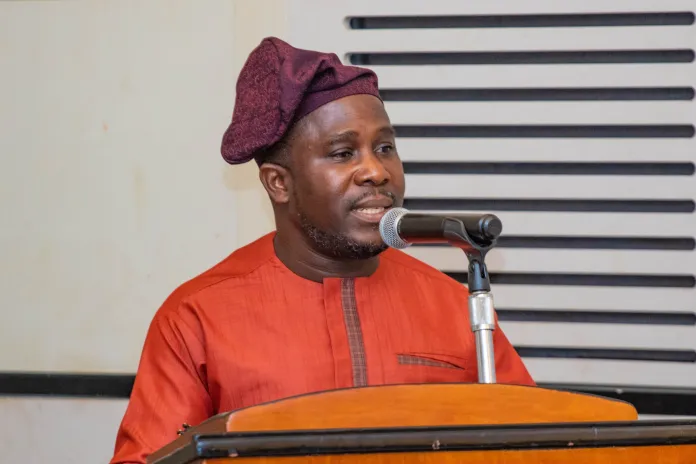
The Institute for Energy Security (IES) has commended the government for settling US$1.47 billion in accumulated energy sector arrears during the 2025 fiscal year, describing the move as a decisive intervention that stabilised Ghana’s power system and prevented a potential grid collapse.
In a statement assessing the impact of the payments, the energy policy think tank said the clearance of liabilities came at a critical moment when financial stress across the power value chain had reached alarming levels.
“The clearance of accumulated liabilities at a time when the World Bank’s Partial Risk Guarantee (PRG) had been depleted and legacy debts were mounting, provides critical liquidity across the value chain and restored confidence among key sector partners.”
Institute for Energy Security (IES)
IES noted that the financial intervention injected much-needed liquidity into a sector that had been constrained by unpaid invoices and mounting obligations.
The think tank observed that years of delayed payments had weakened relationships with upstream gas suppliers, power producers and international financiers, raising concerns about the sustainability of electricity generation and grid reliability.
The institute said the settlement has already delivered tangible benefits for energy and power security, reinforcing confidence among both domestic and international stakeholders whose operations are central to Ghana’s electricity supply.
Reinstating a Critical World Bank Backstop

One of the most significant outcomes of the debt clearance, according to IES, was the replenishment of the US$500 million World Bank Partial Risk Guarantee.
The facility underpins the Sankofa Gas Project and serves as a key credit-enhancement instrument for international investors.
“The replenishment of the US$500 million PRG has reinstated a key credit-enhancement backstop for the Sankofa Gas Project, lowering sector risk and supporting continued gas production by international partners such as ENI and Vitol.”
Institute for Energy Security (IES)
IES explained that the restoration of the PRG reduces perceived risk in the energy sector and strengthens Ghana’s standing in international project finance, creating more favourable conditions for sustained gas supply and future investment.
The think tank also highlighted the impact of payments made to independent power producers, noting that about US$392.8 million was paid to nine IPPs, including Sunon Asogli and Karpowership.
According to IES, these payments have eased operational constraints that previously threatened power generation.
By improving liquidity at the plant level, the institute said IPPs are now better positioned to carry out routine maintenance, procure fuel, and meet operational expenses.
This, IES added, significantly reduces the risk of outages caused by cash flow challenges rather than technical faults.
The improved financial position of IPPs, the institute noted, has had a stabilising effect on the overall power system, particularly during periods of peak demand.
Clearing Gas Arrears and Strengthening Bankability

IES further pointed to the settlement of approximately US$480 million in outstanding gas invoices as another critical achievement of the debt reset.
The institute described the move as a strong signal of fiscal credibility to upstream operators, including Tullow Oil and Jubilee Field partners.
According to IES, the payment reinforces Ghana’s reputation as a bankable destination for energy investment, reassuring gas suppliers that contractual obligations will be honoured.
This assurance, the institute said, is essential for sustaining domestic gas production and reducing reliance on more expensive imported fuels.
Despite welcoming the intervention, IES cautioned that clearing the arrears, while historic, does not by itself resolve the structural weaknesses that have repeatedly driven debt accumulation in the energy sector.
Without sustained reforms, the institute warned that new legacy debts could begin to emerge as early as 2027.
“Key risks identified include persistent technical and commercial losses at the Electricity Company of Ghana (ECG) level, as well as exchange rate volatility arising from the mismatch between dollar-denominated IPP contracts and cedi-based revenue collections.”
Institute for Energy Security (IES)
Call for Structural Reforms
To lock in the gains achieved in 2025, IES urged government to accelerate long-delayed structural measures. Central among these is insulating the Cash Waterfall Mechanism from political interference to ensure that sector revenues are distributed automatically and equitably across the value chain.
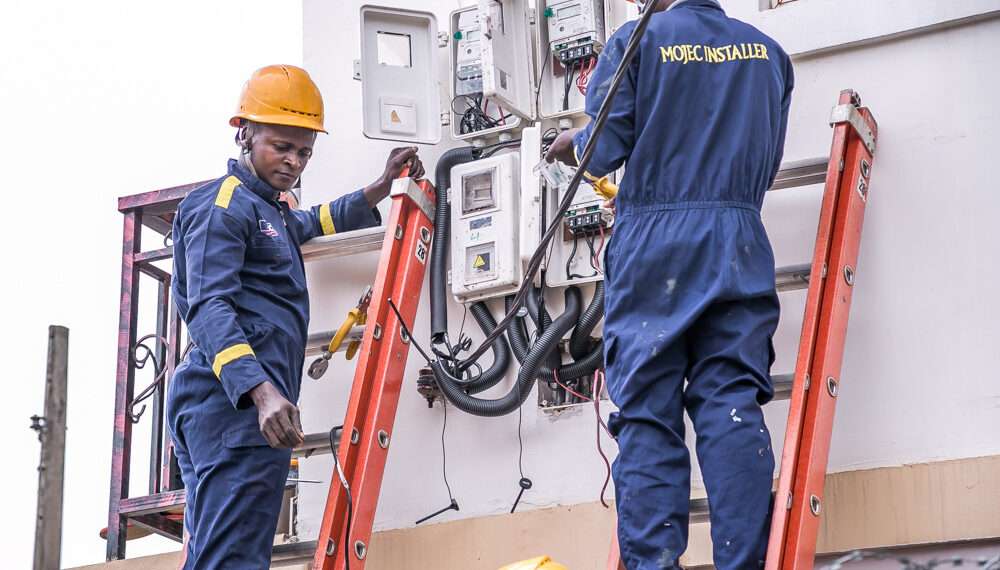
The institute also called for an aggressive rollout of smart metering to protect revenues, prioritisation of domestic gas over imported liquefied natural gas to reduce costs, and full transparency in the renegotiation of IPP agreements to ensure value for money.
IES said, “The 2025 fiscal year marks a turning point,” adding that the true test of the current energy sector reset will be government’s ability to sustain a zero-arrears policy through 2026 and beyond.
According to the institute, maintaining payment discipline and advancing reforms will determine whether the historic debt clearance translates into lasting energy security and financial stability for Ghana’s power sector.
READ ALSO: NIB Defies Odds with Explosive Profit Growth and Balance Sheet Strength