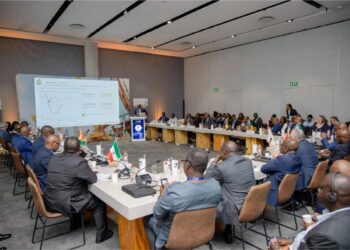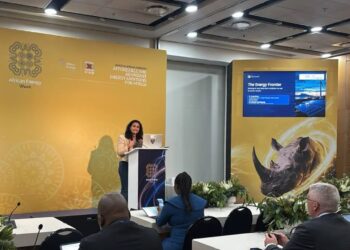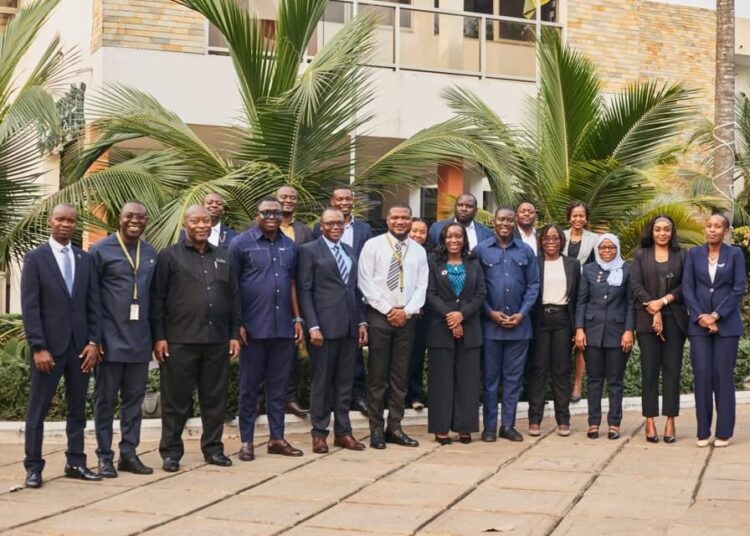
Minerals Commission of Ghana has commenced a high-level technical exchange with a delegation from the Tanzania Mining Commission to harmonize regulatory governance within the extractive sector.
The week-long bilateral programme serves as a strategic platform for both nations to share institutional expertise, refine mineral resource management strategies, and align their respective mining policies with global best practices.
Received by the Chief Executive Officer of the Minerals Commission, Mr. Isaac Tandoh, and the Commission’s executive leadership, the Tanzanian officials are engaging in a series of rigorous technical sessions designed to strengthen the oversight of Africa’s vast mineral wealth.
This diplomatic and technical interface expands upon the foundational goals of the African Mining Vision, focusing specifically on how domestic regulatory frameworks can be optimized to ensure that natural resource extraction translates into tangible socio-economic development.
“Our sector reforms are centered on maximizing in-country value, ensuring environmental stewardship, and promoting responsible mining. We remain committed to transparent, efficient, and sustainable mineral resource management as a foundational pillar of our policy.”
Minerals Commission of Ghana
Advancing Local Content and Digital Transformation in Extractive Oversight
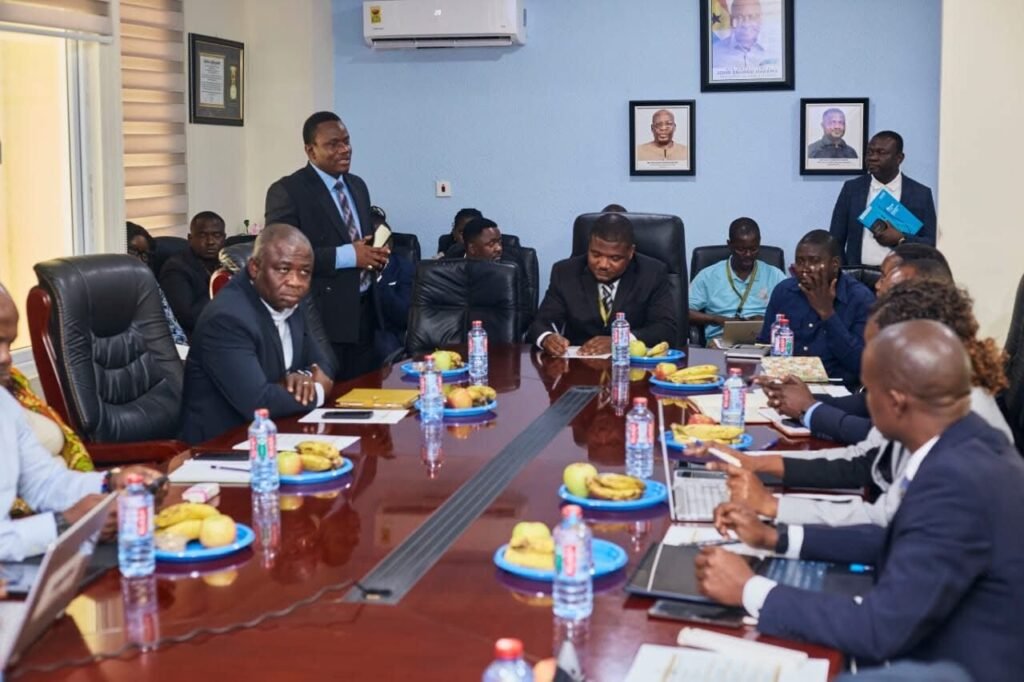
The engagement delves deeply into the mechanics of Ghana’s Local Content and Local Participation implementation, a framework that has become a blueprint for resource-rich nations seeking to retain value within their borders.
Led by Dr. Theresia C. Numbi, Chairperson of Tanzania’s Local Content Committee, the visiting team is analyzing the legislative triggers that mandate the use of indigenous goods and services in the mining value chain.
By examining the successes and hurdles of Ghana’s approach, the Tanzanian delegation aims to refine its own 2018 Local Content Regulations, which have already seen significant strides in domestic employment and procurement.
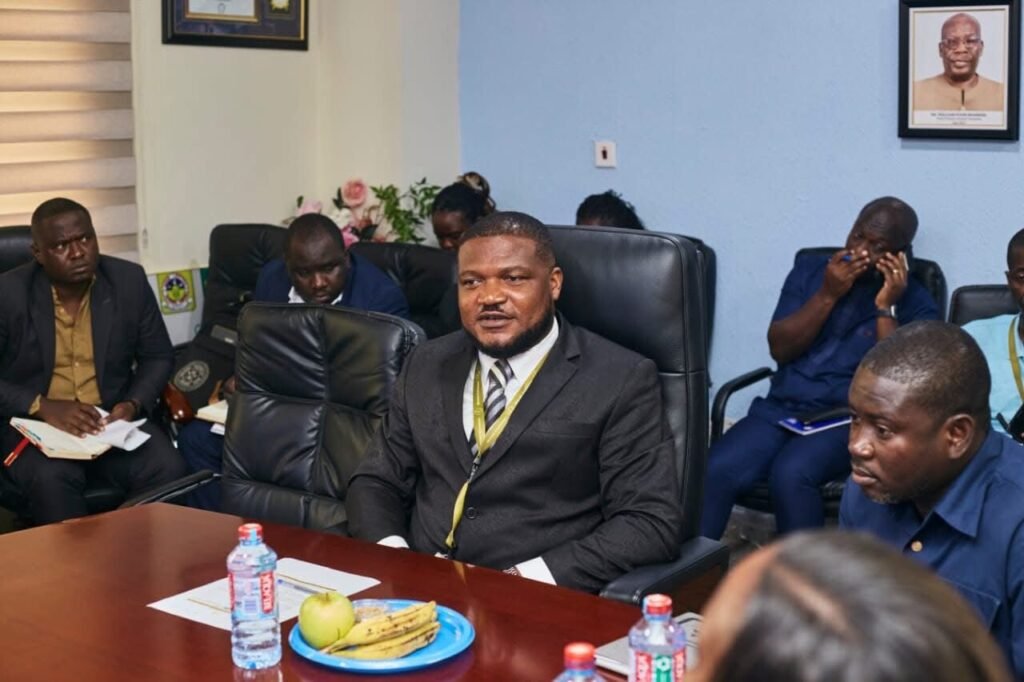
Central to these discussions is the strategic integration of technological systems to enhance regulatory transparency and operational efficiency.
The Minerals Commission showcased its digitized Mining Cadastre Administration System (MCAS), a sophisticated platform that manages the entire lifecycle of mineral rights, from application to compliance monitoring.
For the Tanzanian delegation, the adoption of such robust digital infrastructure represents a critical step toward reducing bureaucratic bottlenecks, eliminating human interference in licensing, and providing investors with a predictable, transparent environment for capital allocation.
Strengthening Small-Scale Mining Formalization and Bilateral Ties
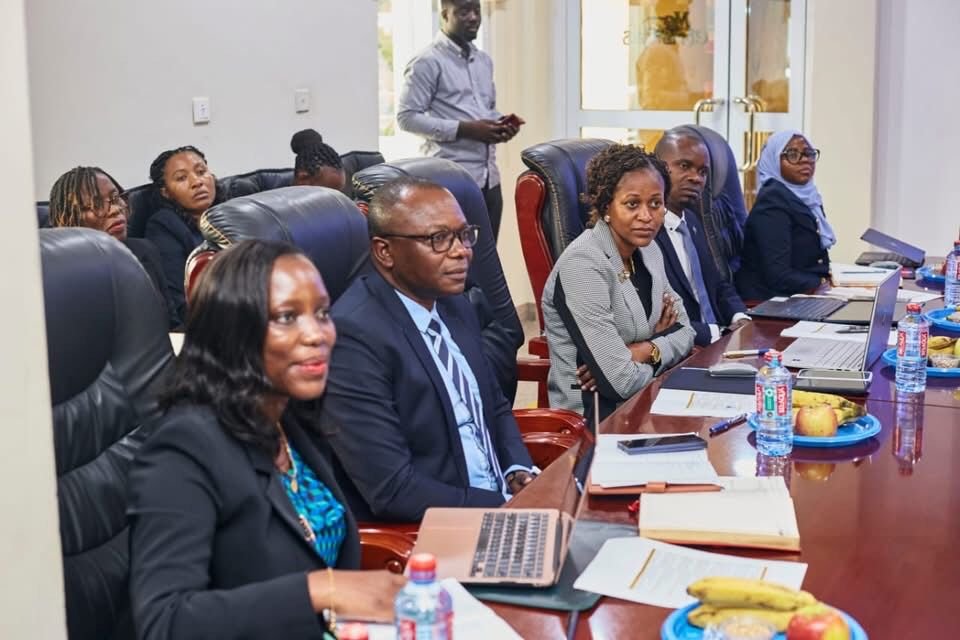
A significant portion of the exchange is dedicated to the complex task of formalizing the artisanal and small-scale mining (ASM) sub-sector, a vital yet challenging component of the African mining landscape.
With the expertise of Mr. Maxwell Klu, Deputy CEO for Small Scale Mining, the sessions explore Ghana’s initiatives to transform ASM into a regulated, environmentally conscious, and economically viable industry.
The delegation is studying the Community Mining Schemes and the legal pathways used to transition informal miners into the formal economy, ensuring they contribute to national revenue while adhering to strict environmental standards.
This bilateral synergy extends beyond theoretical presentations to include practical field assessments and mine site visits scheduled through January 23, 2026.
These site-level engagements allow the Tanzanian technical team to witness the “on-the–ground” application of Ghana’s regulatory mandates, particularly in relation to health, safety, and community participation.
Such direct observation is essential for understanding the practical challenges of enforcement and the necessity of maintaining a social license to operate in mineral-rich communities.
Fostering Continental Mineral Governance and Sustainable Growth
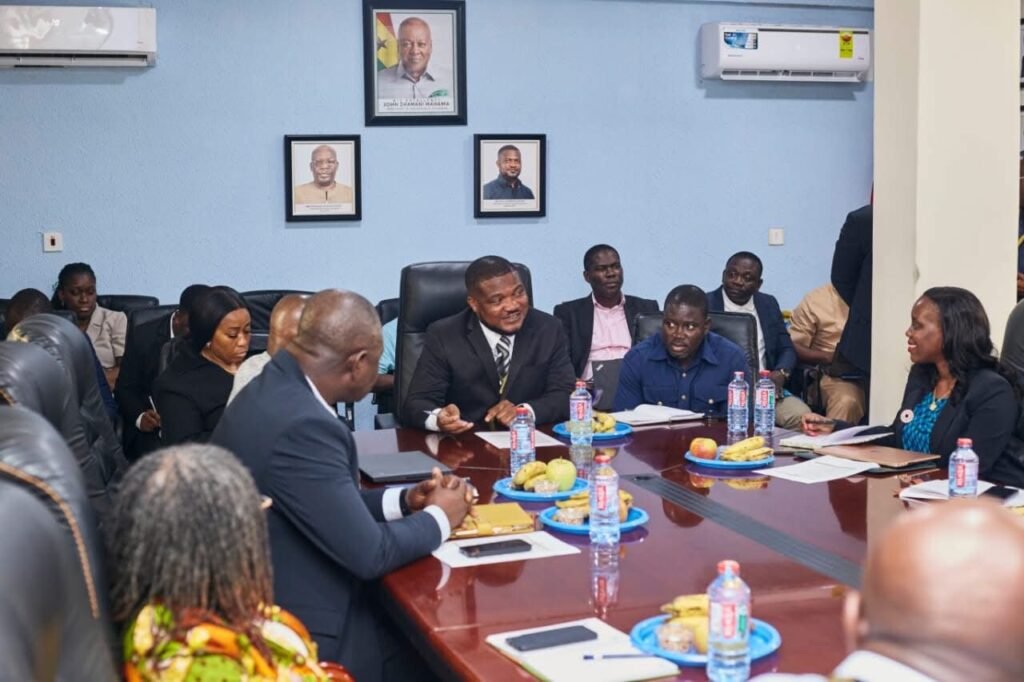
The partnership between Ghana and Tanzania signifies a broader shift toward regional integration in the mining sector, moving away from isolated national policies toward a more cohesive continental governance model.
As noted by Madam Victoria Awuni, Deputy CEO for Policy Planning, the exchange of “peer-to-peer learning” is essential for African nations to reclaim their position in the global supply chain.
By aligning their regulatory standards, both countries are better positioned to negotiate with multinational entities, ensuring that the “critical minerals race” benefits African citizens through industrialization and skills transfer.
Ultimately, this engagement solidifies the diplomatic and economic bond between two of Africa’s mining giants.
The collaborative effort to enhance mineral titles administration, local value addition, and environmental stewardship creates a resilient framework for sustainable growth.
As both nations look toward the future, the shared insights from this week-long summit will likely catalyze new legislative reforms and institutional strengthening, setting a high standard for resource governance across the African continent.
READ ASLO: GIPC Maps Out Central Region Investment Opportunities