Star Oil Ltd has suspended its membership of the Chamber of Oil Marketing Companies (COMAC) with immediate effect, escalating tensions within Ghana’s downstream petroleum sector over the controversial fuel price floor policy.
The decision, contained in a formal letter addressed to COMAC and sighted by Vaultz News, signals a deepening rift between one of the country’s largest oil marketing companies and the industry body meant to represent collective interests.
In the letter signed by Star Oil’s Chief Executive Officer, Philip Tieku, the company described the move as difficult but necessary, citing concerns over representation, fairness, and reputational risk.
“I write to formally inform the Chamber of Oil Marketing Companies (COMAC) of Star Oil Ltd’s decision to suspend its membership of the Chamber with immediate effect and for an indefinite period.”
Philip Tieku, CEO of Star Oil
A Major Contributor Steps Back
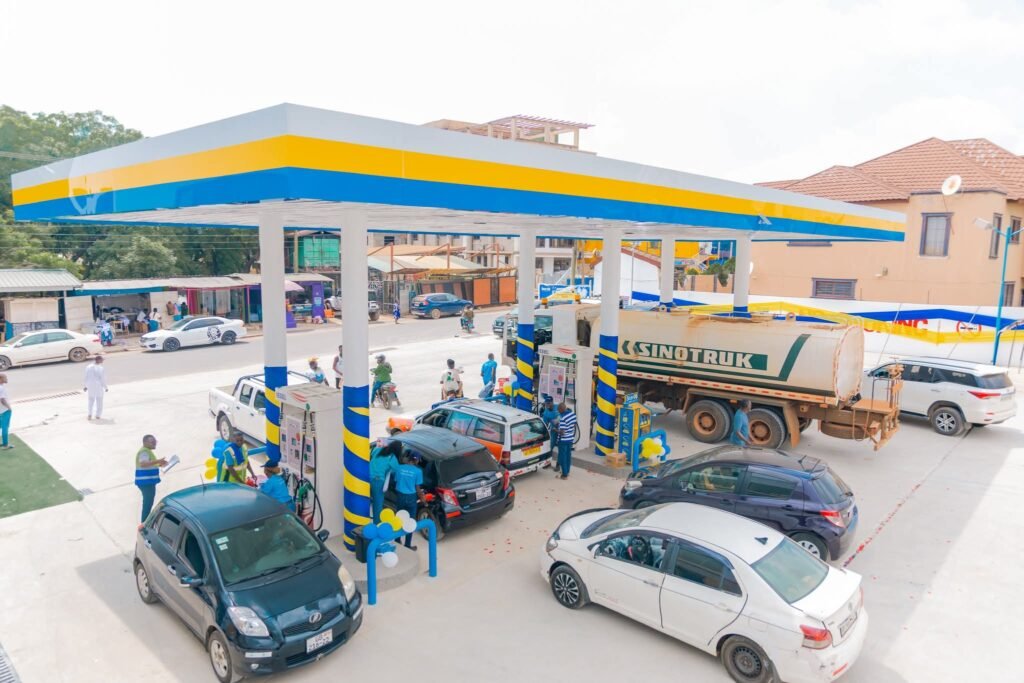
Star Oil underscored its long-standing role within COMAC, noting that it has been one of the Chamber’s most committed members and currently its largest financial contributor.
According to the company, its support for COMAC has always been driven by the belief that the Chamber exists to fairly represent the collective interests of its members, while accommodating differing but well-intentioned views on policy and regulation.
“This decision has not been taken lightly,” Mr Tieku wrote, adding that Star Oil has “consistently supported the Chamber’s activities” over the years.
However, the company said recent developments had forced it to reassess the value of remaining within the organisation.
Dispute Over Price Floor Representation

At the heart of Star Oil’s decision is its dissatisfaction with how COMAC has handled public discussions around the petroleum price floor.
Star Oil has been vocal in its call for the scrapping of the price floor, a position that places it at odds with the majority of OMCs, many of whom support retaining the policy.
According to the letter, Star Oil believes COMAC has failed to fairly communicate its position to the public, particularly during media engagements by the Chamber’s leadership.
“A clear and recent example relates to public discussions by the Chief Executive of COMAC across several media platforms concerning the petroleum price floor.”
Philip Tieku, CEO of Star Oil
Star Oil said that although it had openly proposed the removal of the price floor, “the rationale behind Star Oil’s position has not been clearly articulated or explained by the Chamber in such discussions.”
Star Oil expressed concern that this omission has created a damaging public narrative around its motives. The company said it has been unfairly portrayed as acting against competition or seeking to engage in improper practices.
“This omission has created a public perception that Star Oil’s advocacy is driven by anti-competitive motives or, worse still, an intention to engage in illicit practices.
“We find this implication deeply troubling and unfair.”
Philip Tieku, CEO of Star Oil
While acknowledging that COMAC operates on majority positions, Star Oil said it could not understand why the Chamber was unwilling to reasonably acknowledge and communicate dissenting views, even where they differ from the dominant stance.
Why Star Oil Opposes the Price Floor
In the letter, Star Oil restated its substantive policy argument against the price floor, insisting that its opposition is grounded in market efficiency and consumer welfare rather than narrow corporate interest.
“For the avoidance of doubt, Star Oil has consistently maintained that the price floor impedes the dynamic and timely transmission of real-time international product prices and foreign exchange movements into pricing at the OMC level.”
Philip Tieku, CEO of Star Oil
Star Oil argued that this distortion weakens competition and ultimately disadvantages consumers by delaying or preventing the full benefit of favourable global price movements from reaching the pump.
It likened its argument to those previously advanced by Bulk Distribution Companies (BDCs) when they successfully pushed for the removal of a similar price floor in their segment.
“Regrettably, this substantive policy concern has been deliberately avoided in public discourse, rather than constructively engaged.”
Philip Tieku, CEO of Star Oil
Star Oil warned that remaining within COMAC under such circumstances exposes it to reputational risk without providing a fair platform for its views to be represented.
Suspension, Not a Severance

While the move marks a significant break, Star Oil was careful to describe its action as a suspension rather than a permanent withdrawal.
“We therefore consider it prudent to suspend our membership until such a time that the Chamber demonstrates a clear commitment to balanced representation.”
Philip Tieku, CEO of Star Oil
Star Oil also reaffirmed its commitment to operating within Ghana’s laws and regulatory framework and to engaging constructively with regulators and other stakeholders in the downstream petroleum sector.
Star Oil’s suspension from COMAC comes at a time of heightened debate over fuel pricing, competition, and regulation in Ghana.
As one of the country’s largest OMCs, its exit from the Chamber raises questions about unity within the industry and the ability of COMAC to manage internal disagreements while maintaining a coherent public voice.
Whether the rift will be healed through dialogue or widen further remains to be seen. For now, Star Oil’s decision adds a new layer of complexity to an already contentious debate over the future of fuel pricing regulation in Ghana.
READ ALSO: EU’s Costa Flags Security Risks In Trump Greenland Rhetoric