Newmont has denied all allegations linking its Ahafo North mine to the recent pollution of the River Tano.
The world’s leading gold producer described the media reports as “misleading and incorrect,” asserting that its environmental management systems in the Tano North Municipality of the Ahafo Region remain robust and untainted.
This rebuttal follows a series of speculative reports that suggested mining activities were the primary cause of the river’s deteriorating water quality, a claim the company insists lacks any factual or scientific basis.
“Newmont wishes to state, without equivocation, that its operational activities do not pollute the Tano River. The company operates to high environmental and water management standards, often exceeding regulatory requirements. We will continue to cooperate fully with all investigative bodies examining the pollution of the River Tano.”
Newmont

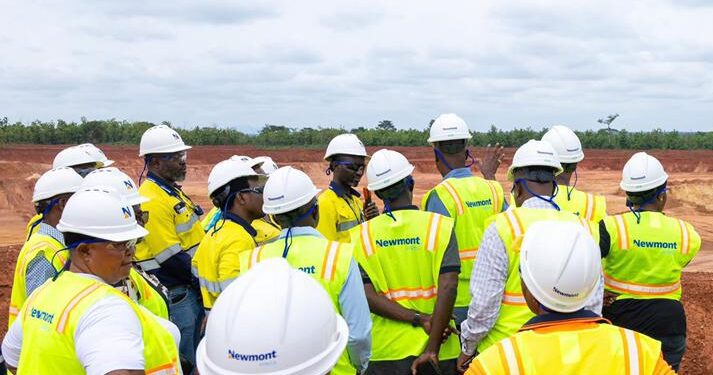
To substantiate its position, Newmont highlighted its active cooperation with a multi-stakeholder investigative team, including the Water Resources Commission (WRC) and the Environmental Protection Agency (EPA), to conduct rigorous site inspections and document reviews.
These independent audits were further complemented by a transparency-focused field visit involving local Assembly members and youth leaders from the host communities, who subsequently confirmed that no evidence of operational leakage or discharge was found.
The company maintains that its Ahafo North facility operates under stringent global protocols, specifically designed to mitigate hydrological impacts and ensure that surrounding water bodies remain protected from industrial runoff.
Collaborative Investigations and Community Oversight
The integrity of the mining sector often hinges on the results of “joint field visits and thorough investigations,” and in this instance, Newmont has leaned heavily on regulatory transparency to clear its name.
By opening its gates to both the EPA and the WRC, the firm has sought to transform a potential crisis into a demonstration of accountability.
Local representatives, including youth leaders who are often the most vocal critics of extractive industries, have publicly stepped forward to validate Newmont’s claims.
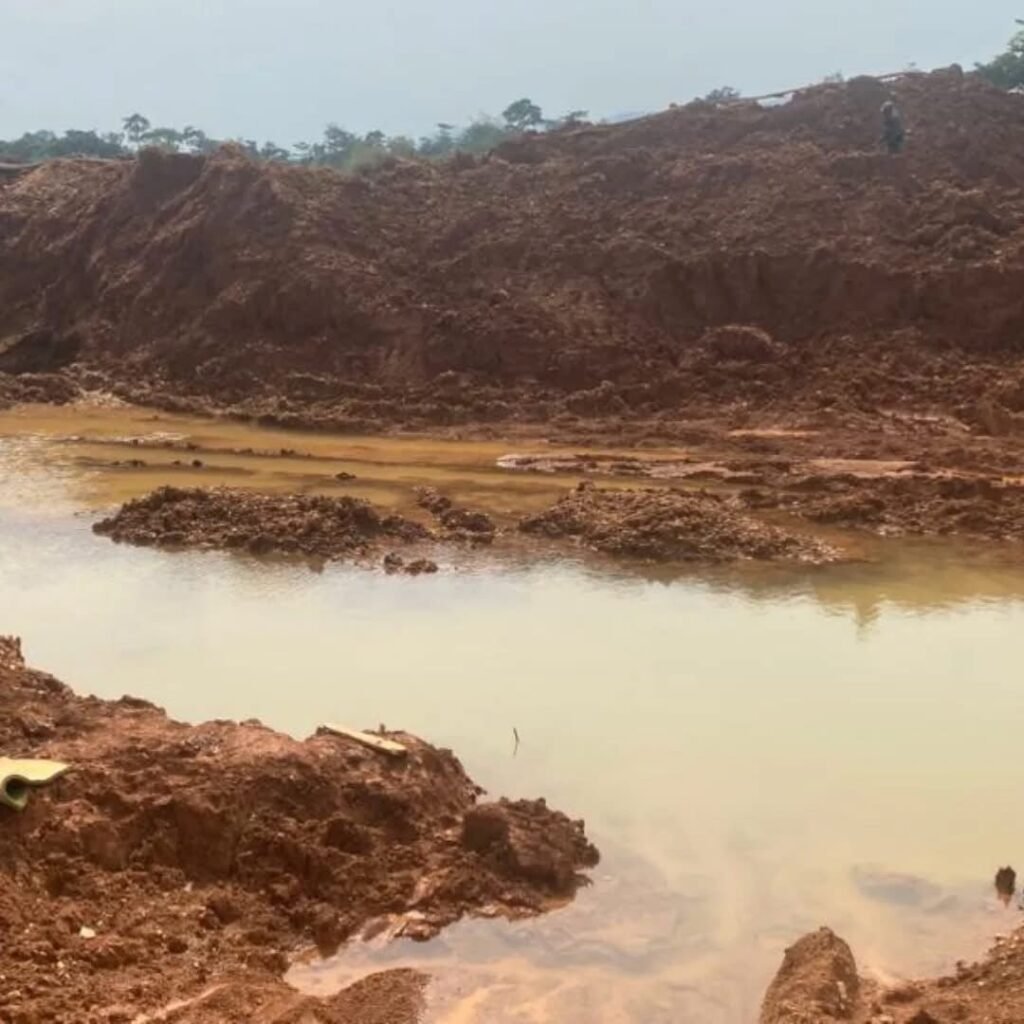
Their findings suggest that the source of the Tano River’s turbidity may lie elsewhere likely with the “rampant galamsey activities” occurring along tributaries such as the Bisi and Kotwe rivers, which are far removed from Newmont’s controlled concessions.
Commitment to Sustainable Extraction Standards

0ne must recognize that Newmont’s adherence to “ISO 14001 certification and the International Cyanide Management Code” serves as a critical buffer against environmental negligence.
The company’s Ahafo North mine, while a newer addition to its global portfolio, is engineered to include advanced water recycling systems and concurrent reclamation strategies.
These technical safeguards are essential in a region where the River Tano serves as a trans-boundary lifeline for both Ghana and Côte d’Ivoire.
Newmont’s proactive stance is not merely a defense of its local operations but a reinforcement of its global ESG (Environmental, Social, and Governance) standing, which positions the firm as a “recognized leader in responsible mining.”
Setting the Record Straight in the Extractive Sector

This statement is crucial in setting the records straight because it shifts the narrative from speculative blame to evidence-based reporting.
In the highly sensitive landscape of Ghanaian mining, where “illegal small-scale mining (galamsey)” often causes widespread ecological damage, large-scale miners frequently become the scapegoat for regional pollution.
By providing a documented trail of “interviews, site inspections, and environmental audits,” Newmont effectively separates its regulated, high-standard operations from the unregulated destruction occurring in the basin.
This clarity is vital for maintaining investor confidence and ensuring that the government’s “Big Push” for sustainable industrialization is not derailed by misinformation.
Ultimately, the company’s reaffirmation of its “commitment to responsible and sustainable mining” serves as a benchmark for how multinational corporations should navigate environmental disputes through transparency and stakeholder engagement.
READ ALSO: African Development Bank Expands Agro-Industrial Alliance