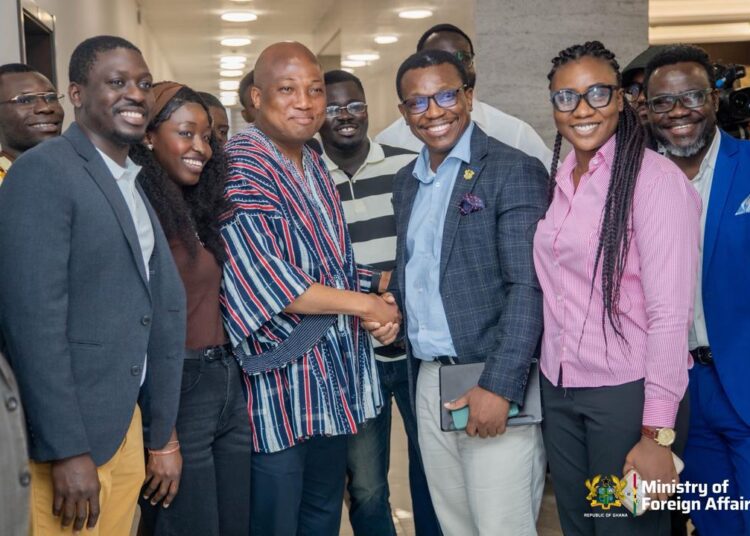
Ghana’s Minister for Foreign Affairs, Hon Samuel Okudzeto Ablakwa, has pledged stronger protection and enhanced consular support for Ghanaian students studying abroad following a series of consultations with student leaders across Europe, Asia, and the Americas.
The engagements form part of a broader effort by the Mahama Administration to reform how Ghana’s diplomatic missions respond to the needs of citizens overseas, particularly young people pursuing higher education.
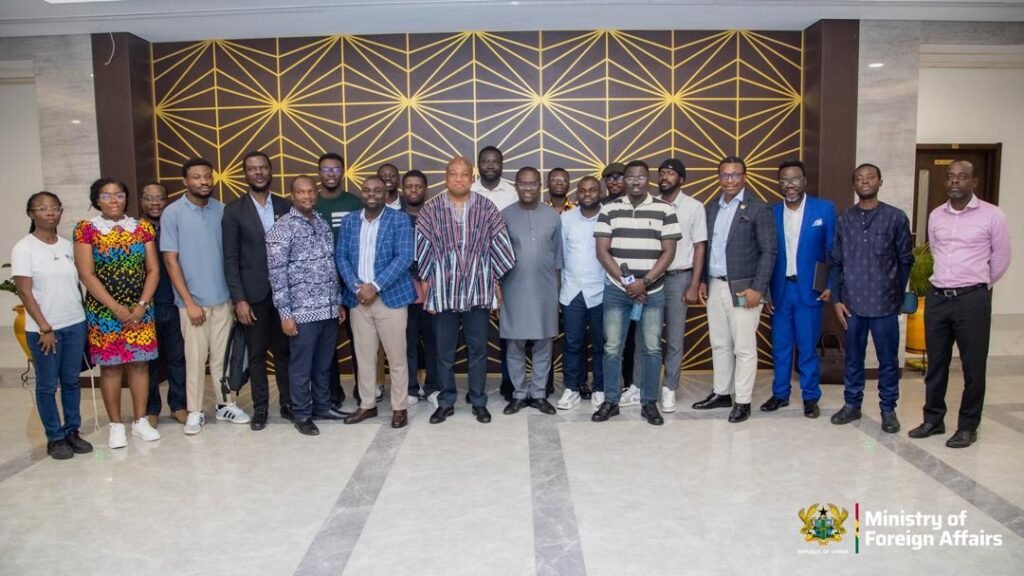
“Over the last few weeks, I have been holding very insightful and helpful consultations in my office with student leaders based in Europe, Asia and the Americas on how the Ministry of Foreign Affairs can better serve Ghanaian students abroad through our embassies and high commissions.”
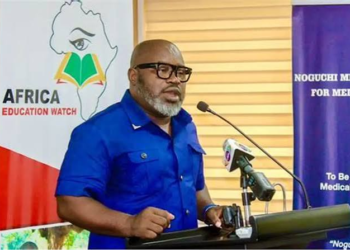
Ghana’s Minister for Foreign Affairs, Hon Samuel Okudzeto Ablakwa
According to Hon. Ablakwa, the discussions were insightful and constructive, providing the Ministry with a clearer understanding of gaps in service delivery and areas requiring urgent attention by embassies and high commissions.
Student leaders raised concerns about visa bottlenecks, delays in documentation, and difficulties navigating immigration systems in host countries. Issues relating to consular responsiveness also featured prominently, with students highlighting instances where access to timely assistance from diplomatic missions was limited.
Financial commitments, including unexpected costs linked to legal status and residency, were also discussed, alongside challenges of cultural and social integration. Hon. Ablakwa said these concerns underscore the need for a more responsive and student centered consular system.
He noted that the Ministry is reviewing internal processes to ensure that Ghanaian students receive prompt and effective assistance, particularly in situations involving legal difficulties, immigration challenges, or welfare concerns.
Harnessing the Skills and Knowledge
Beyond immediate protection and support, the consultations also focused on how Ghana can better harness the skills and knowledge acquired by students abroad. Discussions explored strategies to ensure that graduates return home soon after completing their studies to contribute to national development under the government’s Reset Agenda.
These included proposals for startup support, entrepreneurial mentorship, business incubation, and recruitment systems that connect returning graduates to opportunities in both the public and private sectors.
The Foreign Affairs Minister briefed the student leaders on measures already being implemented by the Mahama Administration to strengthen consular assistance.
He outlined progress in pursuing cases involving alleged violations of the rights of Ghanaians abroad, with particular emphasis on the Nana Agyei tragedy, which has drawn public attention and concern. Ablakwa assured the students that the government remains committed to accountability and justice in such cases.
Another key issue discussed during the meetings was the requirement for English proficiency tests imposed by some foreign institutions and immigration authorities.
The Minister described aspects of these requirements as unfair, arguing that they often fail to reflect the educational background and capabilities of Ghanaian students. He informed the student leaders that the Ministry is engaging international partners to seek reforms that would lead to more equitable assessment standards.
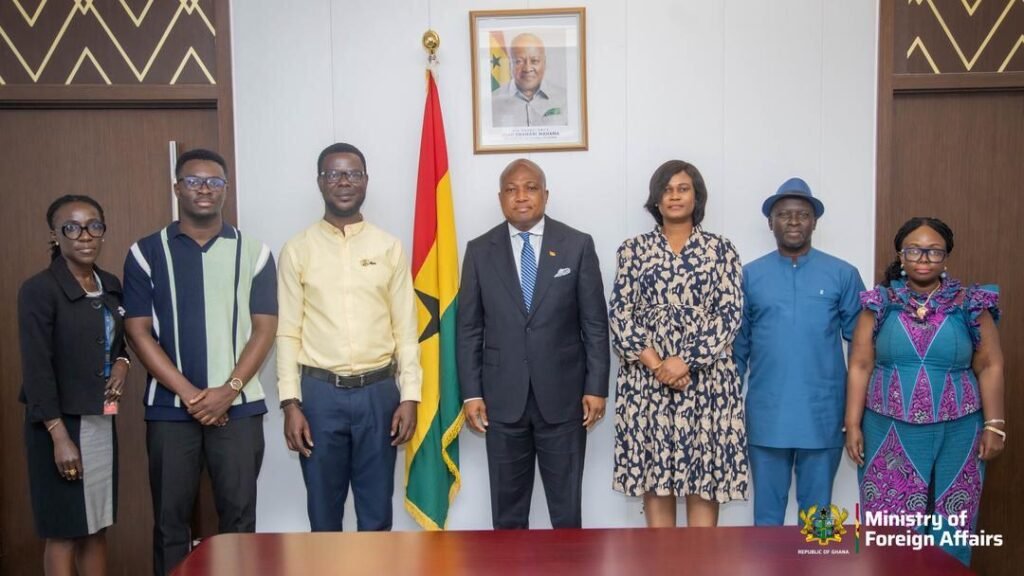
The consultations also reviewed the impact of Student Desks established in selected Ghanaian diplomatic missions last year. According to Ablakwa, feedback from students indicated that the desks have improved access to information and created a clearer channel for addressing student related issues.
Expansion of Student Desks
Based on what he described as a successful pilot, the Ministry has decided to expand the initiative significantly. Ablakwa announced that Student Desks will be established in all 72 Ghanaian diplomatic missions worldwide this year.
The move is intended to institutionalize student support within the foreign service and ensure consistent treatment of student concerns regardless of location. He said the expansion reflects the growing number of Ghanaians studying abroad and the government’s responsibility to protect their welfare.
The Minister also disclosed plans to negotiate additional bilateral scholarships beyond the 1,500 secured last year. He emphasized that expanding scholarship opportunities remains a priority, particularly for students from diverse socio economic backgrounds.
Hon. Ablakwa added that the Ministry will work closely with other government agencies to guarantee transparency and equity in the distribution of scholarships, addressing long standing concerns about fairness in access.
Student leaders welcomed the opportunity to engage directly with the Foreign Affairs Minister and contribute to discussions shaping policies that affect their lives. The consultations, Ablakwa said, reaffirm the importance of dialogue with the Ghanaian diaspora and the role of young people in national development planning.
The initiative forms part of a broader strategy to strengthen Ghana’s engagement with citizens abroad and to ensure that overseas education translates into skills and expertise that benefit the country.
By focusing on protection, welfare, and reintegration, the Ministry of Foreign Affairs aims to position Ghanaian students abroad not only as beneficiaries of consular services, but as future partners in development.
In concluding the engagements, Ablakwa expressed appreciation for the achievements of Ghanaian students in prestigious academic institutions around the world. He said their success reflects positively on the country and reaffirmed the government’s commitment to supporting them.
As reforms are implemented, the Ministry has indicated it will continue consultations with student leaders to refine policies and ensure that Ghana’s diplomatic missions remain responsive and effective.