
The Chairman of the Chamber of Oil Marketing Companies (COMAC), Gabriel Kumi, has strongly defended Ghana’s petroleum price floor policy, insisting it was a democratic decision driven by the industry and continues to enjoy the support of the majority of oil marketing companies (OMCs).
Mr Kumi dismissed claims that the policy was imposed by a few dominant players, stressing that it emerged from broad consultations and consensus within the Chamber.
“This floor pricing issue, the idea was pushed forward by the Chamber about two years ago with the National Petroleum Authority, and it was accepted, and we started implementing it.”
Mr. Gabriel Kumi, Board Chairman of the Chamber of Oil Marketing Companies (COMAC)
According to him, the price floor was conceived as an industry-led intervention aimed at stabilising the downstream petroleum market and protecting players from destructive pricing practices.
Star Oil Exit Rekindles Policy Debate
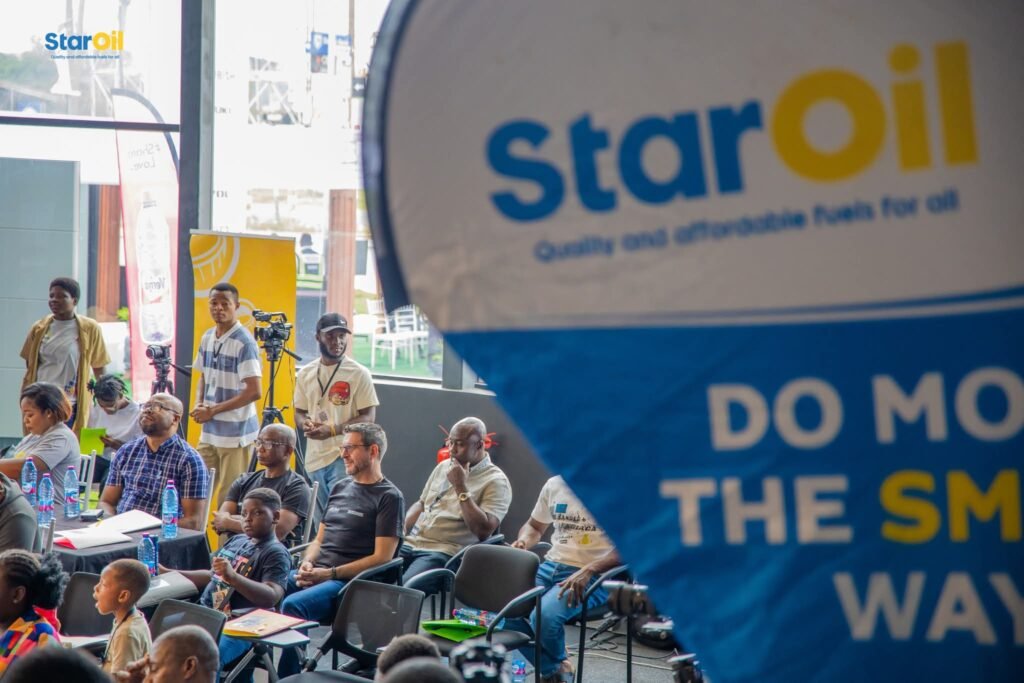
Mr Kumi’s remarks come in the wake of Star Oil’s decision to suspend its membership from COMAC, citing dissatisfaction with how the fuel price floor debate has been managed within the Chamber.
The move has reignited public debate over whether the policy truly reflects the interests of the broader industry.
Addressing the development, the COMAC Chairman revealed that Star Oil, in its correspondence with the Chamber, acknowledged the democratic principles guiding COMAC’s decision-making process.
“I’m happy in the letter that Star wrote to us, it did admit that it respects the view of the majority,” Mr Kumi said, adding that this recognition was important even amid disagreement.
He emphasised that COMAC operates on the basis of collective decision-making, where dissenting opinions are respected but cannot override the will of the majority.
Majority Rule Core of COMAC Decisions

Mr Kumi was firm in asserting that democratic principles remain central to the Chamber’s governance structure. While acknowledging that not all members agree on every policy, he said final positions are determined by majority consensus.
He maintained that the prevailing position of the Chamber has not changed, despite the concerns raised by some members and Star Oil’s temporary exit.
“At the end of the day, the majority decision is that, at the moment, as it stands, the floor pricing policy is good for the industry.”
Mr. Gabriel Kumi, Board Chairman of the Chamber of Oil Marketing Companies (COMAC)
According to him, the price floor provides a level of protection that helps ensure sustainability and orderly competition within the market.
Despite defending the policy, the COMAC Chairman admitted that its implementation has not been without difficulties. He acknowledged that operational and market challenges have surfaced since the policy was introduced, contributing to internal disagreements and public criticism.
Mr Kumi explained that these challenges prompted some members to voice their concerns openly, a process he described as part of healthy internal engagement rather than a sign of institutional failure.
“And I think that is what got our member to express those things,” he said, referring to the public expressions of dissatisfaction that eventually led to Star Oil’s decision to suspend its membership.
Respect for Star Oil’s Decision
While expressing regret over Star Oil’s exit, Mr Kumi stressed that COMAC respects the company’s choice and remains open to engagement.
He suggested that disagreements, though unfortunate, are not uncommon in industry associations and should not be misconstrued as a breakdown of governance.
According to him, the Chamber remains united around its core policies and continues to engage stakeholders, including the National Petroleum Authority (NPA), to refine and improve regulatory outcomes.
Responding to concerns that the fuel price floor policy may have been driven by larger OMCs seeking to protect their market position, Mr Kumi rejected the assertion outright.
“At the Chamber level, at the board level, everybody has one vote,” he said, stressing that influence is not determined by company size.
“No matter how big you are, you still have one vote,” he added, explaining that COMAC’s structure ensures equal representation for all members.
He noted that proposals lacking majority support are routinely dropped, regardless of who introduces them. “If it wasn’t the majority decision, we couldn’t push it,” he said.
Drawing on past experience, Mr Kumi revealed that the Chamber has shelved several ideas that failed to gain widespread acceptance.
Policy Still Enjoys Broad Support
Despite ongoing debate, the COMAC Chairman insisted that the fuel price floor policy remains widely supported among members.
“But this one was a popular majority decision, and it’s still the popular decision amongst the Chamber members.”
Mr. Gabriel Kumi, Board Chairman of the Chamber of Oil Marketing Companies (COMAC)
As discussions around fuel pricing, competition, and regulation continue to intensify, Mr Kumi’s comments underscore COMAC’s resolve to stand by what it considers a democratically endorsed policy, even as stakeholders debate its long-term impact on Ghana’s downstream petroleum sector.
READ ALSO: Stanbic Bank Targets Sustainable Growth Through SME Partnerships