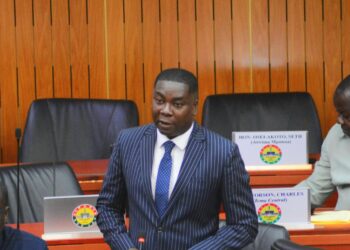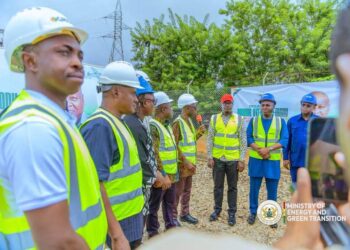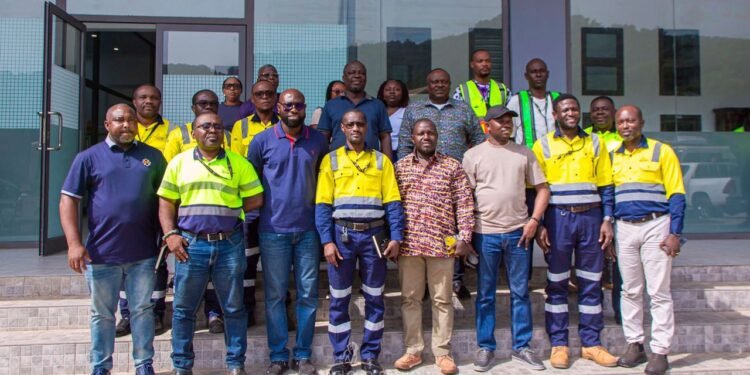
AngloGold Ashanti Obuasi Mine has hosted the Parliamentary Select Committee on Environment, Science, and Technology.
This high-level working visit was executed under Parliament’s constitutional oversight mandate, designed to scrutinize the mine’s adherence to environmental protocols and approved operational guidelines.
The engagement served as a critical interface between the legislative arm of government and the private sector, ensuring that large-scale mineral extraction remains aligned with the state’s rigorous sustainability benchmarks.
“AngloGold Ashanti remains unwavering in its commitment to environmental stewardship and strict compliance with the regulatory requirements prescribed by the EPA and the Minerals Commission. Our operations are guided by international best practices to ensure a balanced approach to mineral production and community well-being.”
AngloGold Ashanti Ghana
“We continue to prioritize the implementation of our 10-Year Socio-Economic Development Plan to enhance the livelihoods of our host communities,” AngloGold Ashanti added.
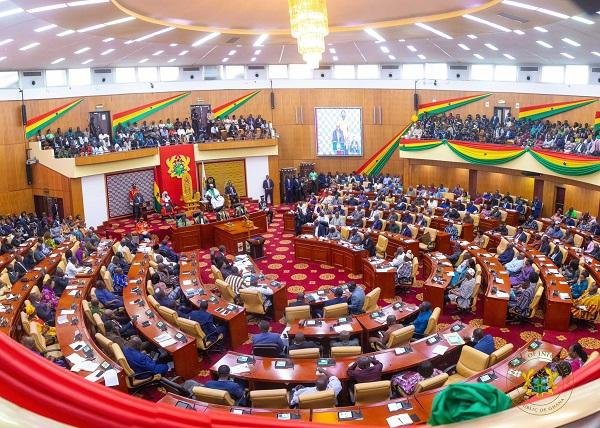
Led by the Ranking Member of the Committee, Hon. Prof. Hamza Adam, the delegation underscored that the visit was a proactive step in Parliament’s broader agenda to institutionalize safe and responsible mining across the country.
By conducting on-site assessments, the Committee aims to bridge the gap between policy formulation and field implementation, ensuring that the “wealth beneath the soil” does not come at the expense of the ecosystem.
The delegation’s presence at Obuasi reflects a growing national emphasis on transparency, where lawmakers act as the primary auditors of the environmental and social licenses granted to multinational mining firms.
Legislative Oversight as a Catalyst for Sustainable Extraction
The arrival of the Parliamentary Select Committee at the Obuasi Mine signifies more than a routine inspection; it represents the “checks and balances” essential for a thriving extractive industry.
In Ghana’s mining landscape, legislative oversight serves as a vital tool for enforcing the Minerals and Mining Act, ensuring that operators do not merely meet minimum legal requirements but strive for global excellence in reclamation and waste management.
Such visits provide legislators with firsthand data on the efficacy of current laws, allowing them to advocate for policy reforms that address emerging environmental challenges like tailings dam safety and carbon footprint reduction.
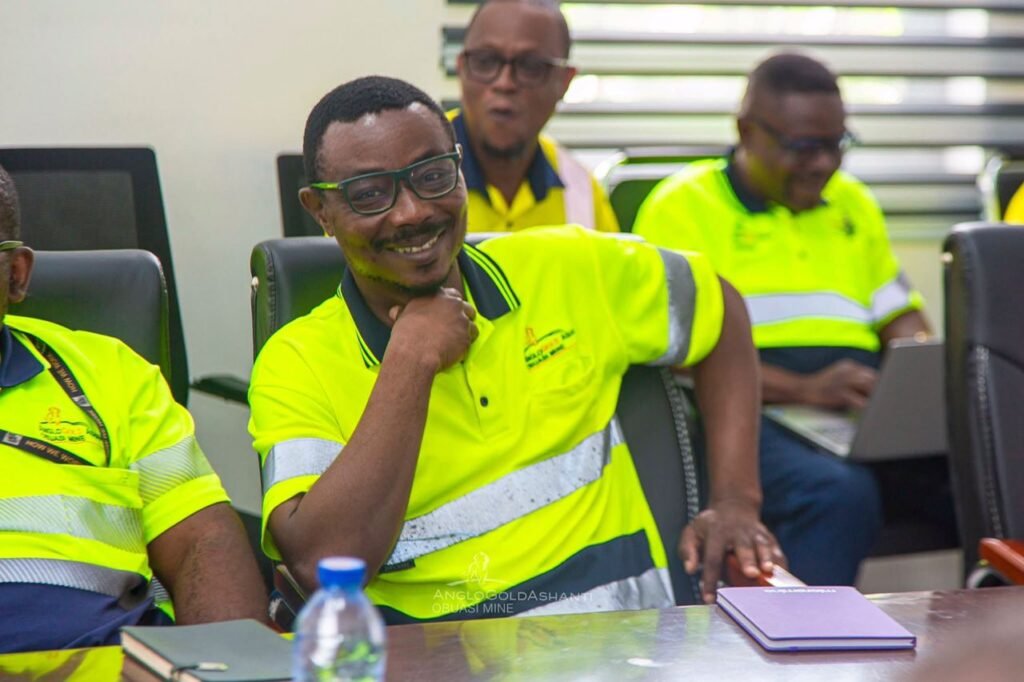
By engaging directly with the Obuasi Mine Site Leadership Team, the Committee was able to verify the alignment of the mine’s internal “operational procedures” with the statutory dictates of the Environmental Protection Agency (EPA).
This transparency is crucial in an era where Environmental, Social, and Governance (ESG) metrics define a company’s global standing.
For the government, these interactions reduce the information asymmetry that often exists between the regulator and the regulated, fostering an environment where responsible mining becomes the default standard rather than an optional commitment.
Strengthening State-Corporate Synergies through Transparent Engagement
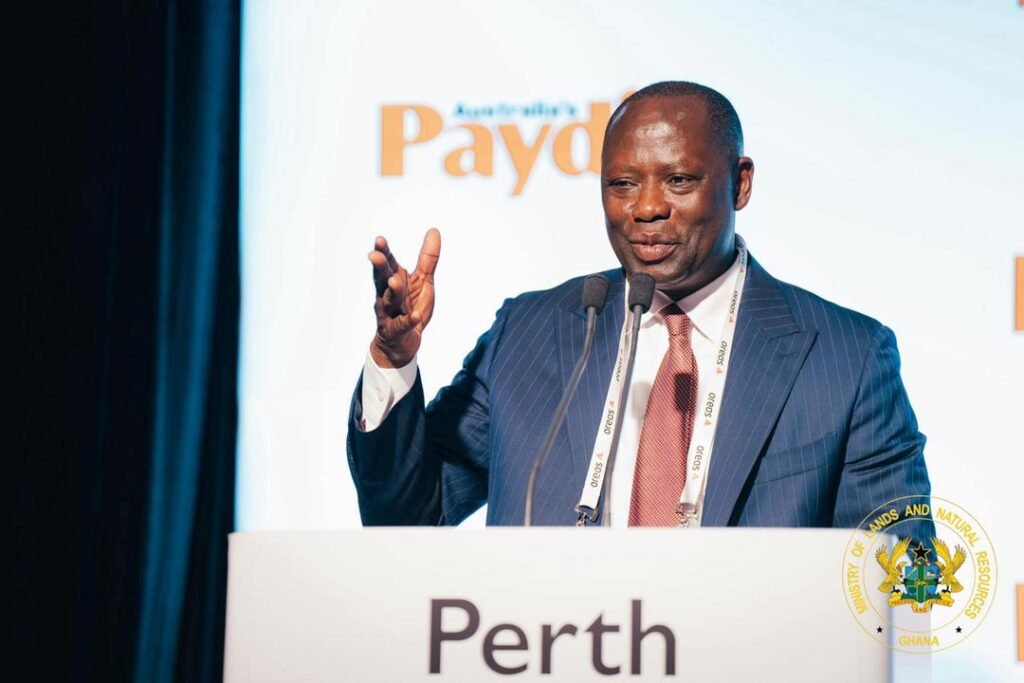
The interaction between the Committee and the leadership of AngloGold Ashanti, headed by Managing Director Ing. Samuel Pobee, highlights a maturing relationship between the state and the private sector.
By opening its gates to parliamentary scrutiny, AngloGold Ashanti reinforces its “social license to operate,” demonstrating that its redevelopment of the historic Obuasi asset is being managed with futuristic sustainability in mind.
This level of openness builds trust with the government, transforming the relationship from one of mere policing to a collaborative partnership focused on national development.
Furthermore, the visit highlighted the “socio-economic interventions” that serve as a bedrock for local stability. Ing.
Pobee’s briefing on the 10-Year Socio-Economic Development Plan (SEDP) illustrated how the mine is moving beyond traditional corporate social responsibility.
By focusing on long-term livelihood enhancements and local economic diversification, the mine aligns itself with the government’s own development goals.
This synergy ensures that the mine’s presence acts as an engine for regional growth, thereby reducing the friction often found in mining communities and creating a stable, predictable environment for long-term investment.
Institutional Compliance and the Path to Mining Excellence
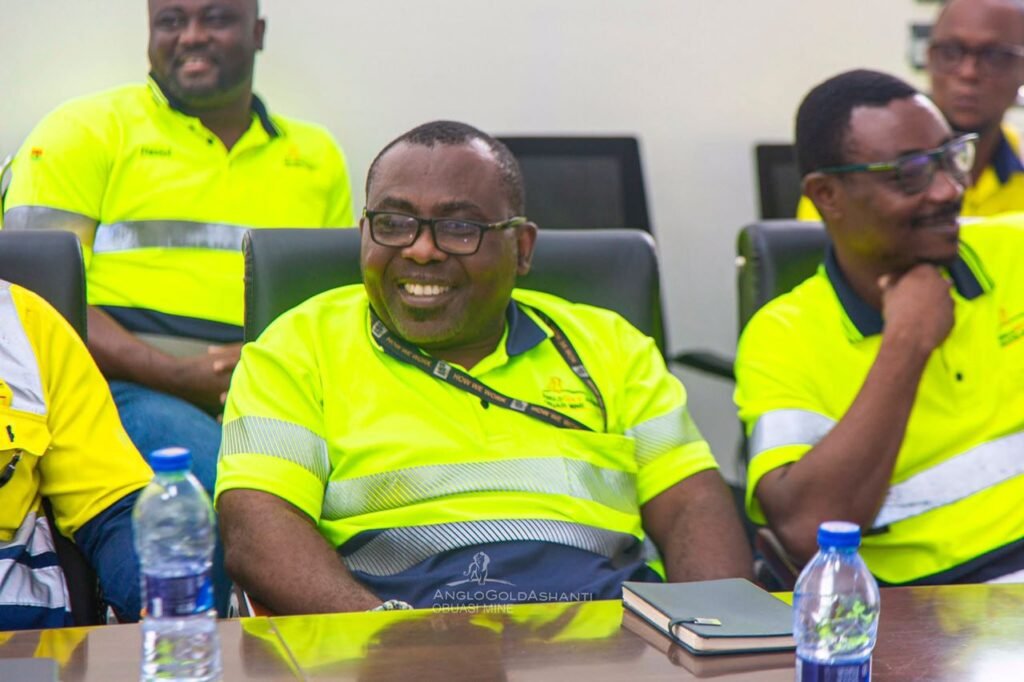
During the comprehensive site tour, the Committee members were given a granular look at the technical processes that define modern, responsible mining. The commendations received by the mine at the end of the tour serve as a testament to its “unwavering commitment” to the environmental and land-use standards set by the Lands Commission and other regulatory bodies.
For the extractive industry, such endorsements from a bipartisan parliamentary group are invaluable, providing political validation for the mine’s complex operational strategies and its efforts to mitigate the legacy impacts of centuries-old mining activities.
As the Obuasi Mine continues to ramp up production, the continued involvement of the Parliamentary Select Committee will be essential in maintaining a high “compliance culture.”
This oversight ensures that the mine’s unique approach which balances mineral output with ecological preservation remains consistent over its multi-decade lifespan.
Ultimately, the successful hosting of the delegation proves that when transparency and technology meet legislative diligence, the result is a mining sector that contributes to the national treasury while safeguarding the heritage of the Ghanaian people for generations to come.
READ ALSO: Ghana’s Central Bank Admits Six Crypto Firms