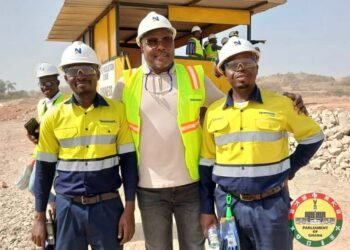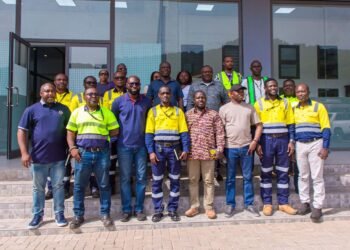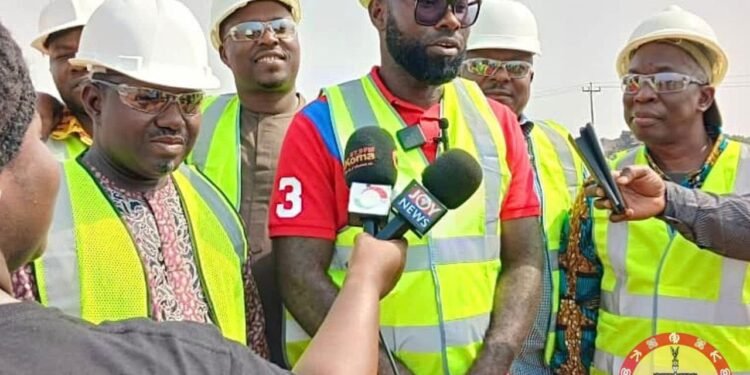
Parliamentary Select Committee on Environment, Science and Technology has called on the Government to prioritize and increase budgetary allocations to regulatory agencies tasked with combating illegal mining.
Following an extensive monitoring tour of the Ashanti and Ahafo regions, the Committee identified that the persistent threat of “galamsey” remains a critical danger to national stability and ecological integrity.
The lawmakers emphasized that without a significant infusion of financial resources, the state agencies responsible for enforcement and monitoring will continue to struggle against the sophisticated and destructive nature of illegal operations.
“The Committee observed that illegal mining was a threat to the society and called on Government to increase budget allocations to the agencies responsible to curb the menace.”
Parliament of Ghana

This legislative demand for enhanced funding comes at a time when the gap between the operational capacity of environmental regulators and the scale of illegal mining activities is widening.
During their regional tour, the Committee observed that the agencies lack the modern equipment, personnel, and mobility required to effectively patrol difficult terrains and protect the nation’s natural capital.
By advocating for a more robust fiscal framework, the Committee aims to empower these bodies to move beyond reactive measures toward a proactive, technology-driven enforcement strategy that can definitively curb the “galamsey” menace and safeguard the country’s water bodies and forest reserves.


Oversight Tour Evaluates Corporate Responsibility and Safety Protocols
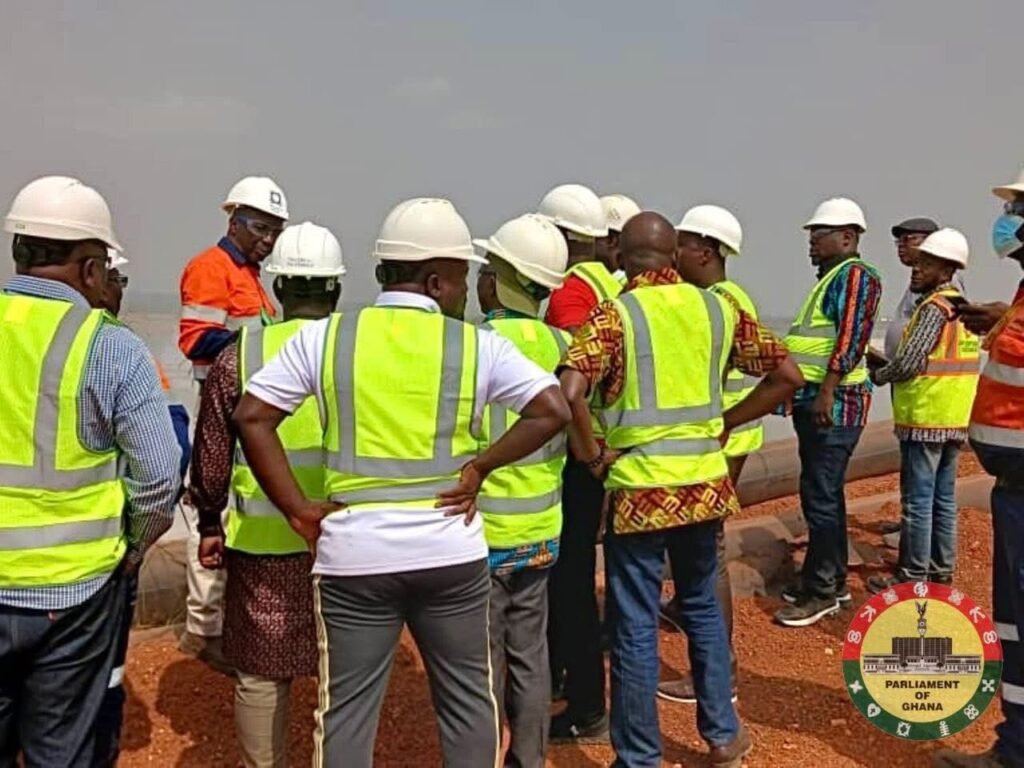
The legislative delegation’s visit to major mining concessions provided a rare, firsthand look at the intersection of large-scale industrial mining and environmental stewardship.
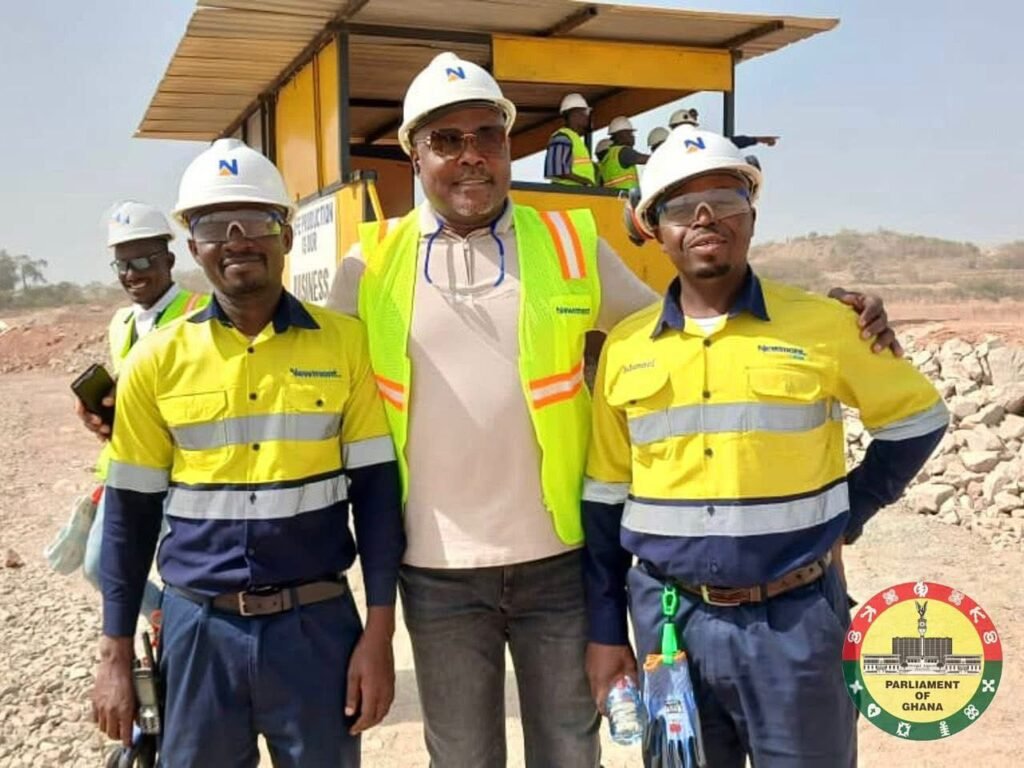
The tour concluded at the Asanko Gold Mines, following earlier high-level inspections at the AngloGold Ashanti Obuasi Gold Mine and Newmont Ghana in Ahafo South.
Throughout these visits, the Committee focused on assessing how these industry giants manage their environmental footprint, specifically regarding the integrity of Tailings Storage Facility (TSF) dams and the protection of neighboring forest reserves.
While the primary focus of the mission was to ensure that “mining companies live up to their responsibilities,” the Committee expressed a high degree of “appreciation and satisfaction” regarding the safety protocols currently in place at these specific sites.
The lawmakers were particularly impressed with the technical management of water bodies and the advanced safety standards observed at the TSF dam sites, which are critical for preventing chemical spills.
However, the Committee noted that while the companies met current safety benchmarks, their long-term social license to operate depends on their ability to consistently prioritize the health of the host communities.
Addressing the Policy Gap in Climate Resilience and Community Safety
Despite the praise for immediate operational safety, the Select Committee identified a significant strategic deficiency regarding the future of the host communities.
During their interactions with leadership at the various sites, the Committee expressed deep concern over the “inability to provide a policy document to mitigate climate change issues in the communities should they occur.”
This critique highlights a growing expectation from the Parliament of Ghana that mining companies must look beyond their immediate concessions and develop comprehensive frameworks for long-term climate resilience.
The significance of this visit lies in its role as a catalyst for legislative and policy reform within the extractive sector.
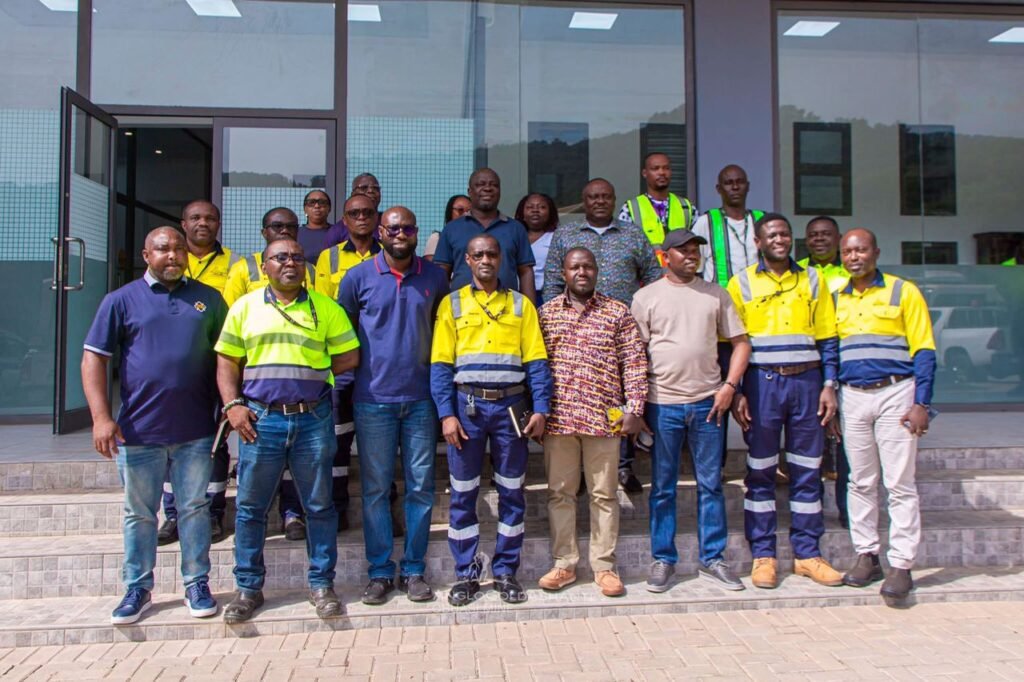
By highlighting the lack of climate mitigation policies, the Committee is signaling that future regulatory compliance will likely require more than just technical safety; it will necessitate a commitment to protecting communities from the volatile environmental shifts associated with global warming.
As the tour concluded, the message to both the government and the private sector was clear: the fight against environmental degradation requires both the “will to resource” the state and the “vision to protect” the people.
The Committee’s findings are expected to inform upcoming parliamentary debates on the 2026 mid-year budget review, where the push for increased environmental funding will take center stage.
For the extractive industry, the focus now shifts to whether the government will heed this call to resource the “galamsey” fight and if the mining companies will move swiftly to draft the climate policies demanded by the nation’s lawmakers.
READ ALSO: Ghana Stocks End Week on Upbeat Note