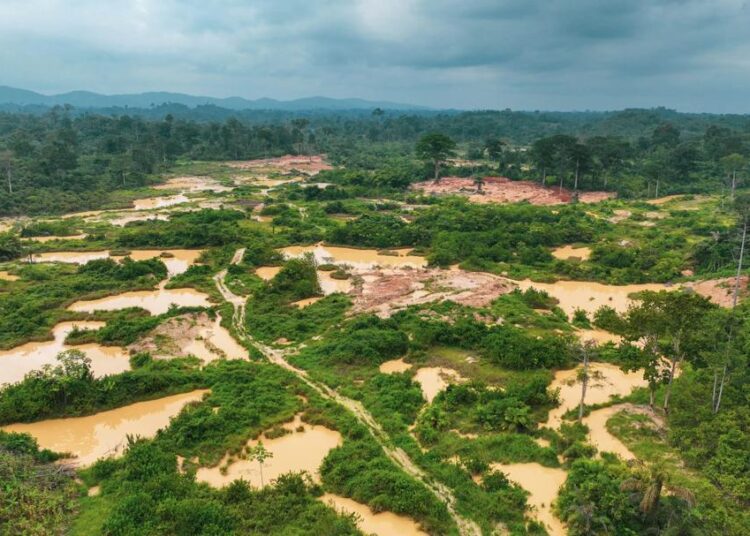
Government has launched an aggressive multi-pronged offensive against illegal mining, popularly known as galamsey, by deploying advanced digital monitoring tools and rigorous new legislative frameworks to safeguard the nation’s water resources.
This renewed commitment, centered on the operationalization of the Water Resources Assessment System (WRAS), aims to provide real-time data and scientific oversight to halt the rapid degradation of water bodies and forest reserves.
By integrating environmental data with mining licensing, the state is creating a high-tech barrier against the unauthorized extraction of minerals that has long plagued Ghana’s river basins.
This strategic rollout is being bolstered by a critical synchronization between the Water Resources Commission and the Minerals Commission’s mining cadastre administration system.
This integration is designed to streamline the permitting process for small-scale miners, effectively eliminating the bureaucratic delays that often drive operators toward illegality.
Beyond digitalization, the government is finalizing two landmark Legislative Instruments (LIs) aimed at waste discharge control and the preservation of riparian buffer zones.
These laws will provide the legal “teeth” necessary to prosecute encroachers and enforce strict water quality standards across the extractive sector.
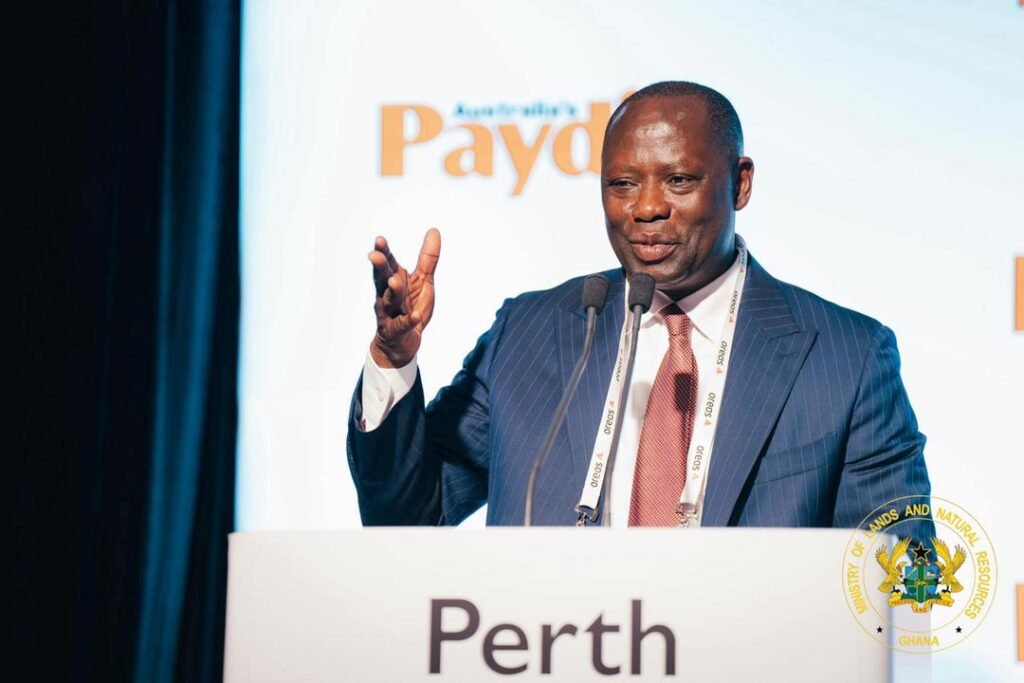
“The system will be linked with a mining cadastre administration system of the Minerals Commission, to enhance the government’s vision of streamlining the permitting and licensing process for small-scale mining, while reducing the turnaround time. These LIs, when adopted, will minimise encroachment and pollution of water bodies in the country.”
Hon. Kenneth Gilbert Adjei
Digital Integration and the Death of Bureaucracy
The pivot toward a digitalized cadastre system marks a significant departure from the “cumbersome and expensive” manual processes that have historically fueled the galamsey menace.
It is clear that when the “turnaround time” for legal permits is reduced, the incentive for miners to bypass the law diminishes.
The WRAS acts as a scientific watchdog, ensuring that no mining lease is granted in ecologically sensitive areas.
This “operational testing phase” is the precursor to a regime where the Minerals Commission can instantly verify the hydrological impact of a proposed site before a single grain of earth is moved.
Restoring the Value of Ghana’s Blue Gold

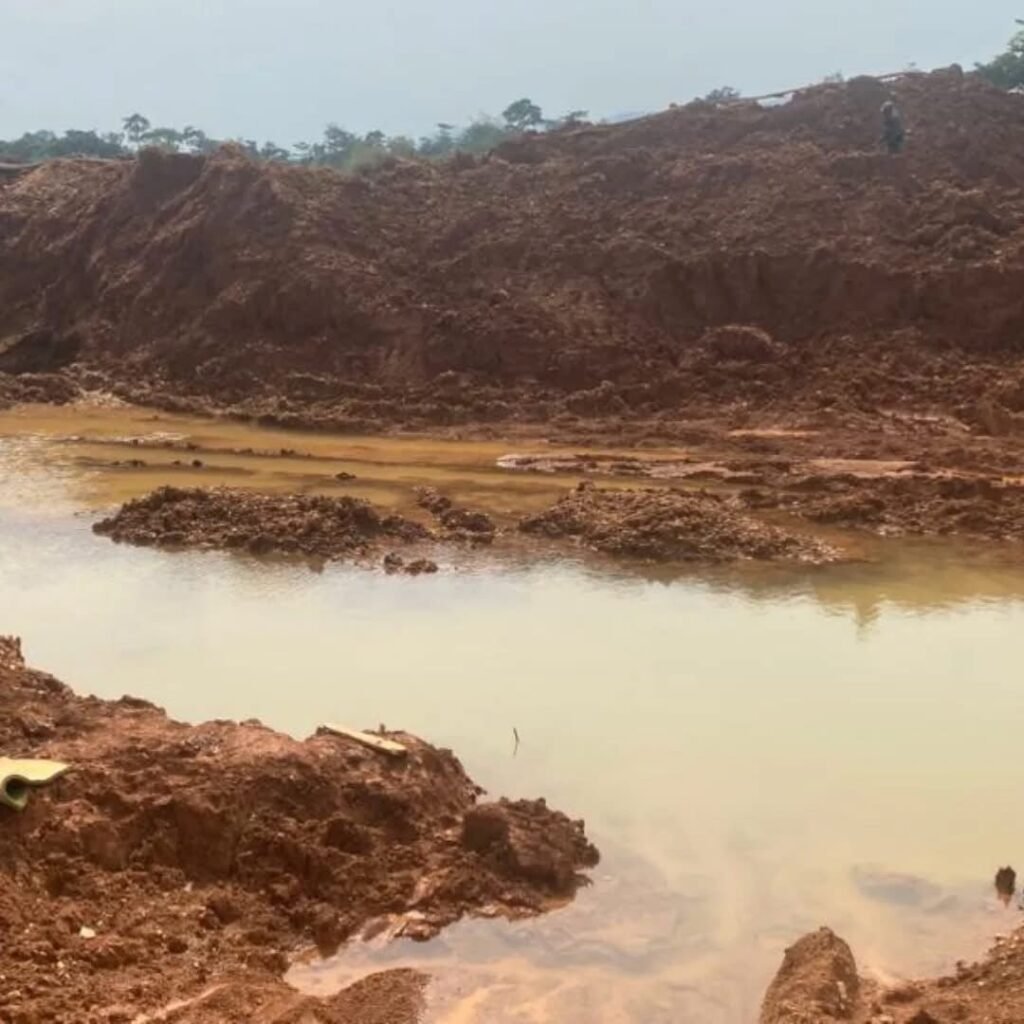
The restoration of water bodies like the Pra, Ankobra, and Birim requires more than just stopping the excavators; it requires the “management of water quality” through the newly drafted LIs.
These legislative instruments are designed to create a “sanitary corridor” around rivers, known as riparian buffer zones, which act as natural filters for heavy metal runoff.
By legislating these zones, the government is moving from reactive arrests to proactive conservation.
The support of the Attorney General’s Office ensures these laws will be robust enough to withstand legal challenges, effectively turning riverbanks into “no-go zones” for any form of unauthorized activity.
A Sustainable Future for Small-Scale Mining
The synergy between the Water Resources Assessment System and mining administration represents a “fresh era of accountability” in the extractive industry.
By providing training sessions and user acceptance testing, the Commission is ensuring that the transition to this new system is seamless for all legitimate stakeholders.
This holistic approach combining technological surveillance with legislative reform—is the most viable path toward reclaiming our polluted water bodies.
As these initiatives move from testing to full implementation, the value of our water resources will finally be protected by a “digital and legal shield” that leaves no room for the destructive shadows of galamsey.
READ ALSO: COMAC Warns Public After Panpaso Fuel Tanker Accident