The death toll from continued US and Israeli military strikes across the Islamic Republic of Iran has risen sharply, with Iranian state media citing the Iranian Red Crescent Society as saying at least 787 people have now been killed in the ongoing assault.
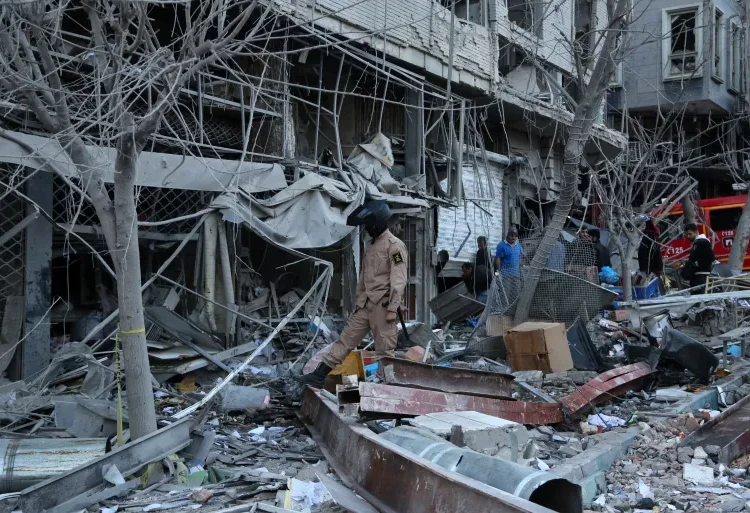
The strikes have reportedly targeted a range of sites, including military installations and infrastructure linked to Iran’s defense apparatus, but civilian structures have also been struck or damaged in the assault.
Across the Iranian capital, Tehran, the sound of explosions rang out through the night and into the early morning hours today, Tuesday, March 3, 2026.
According to military Spokesman Avichay Adraee, Israel’s air force was carrying out multiple operations against Iran’s air defence system and eliminating several of its forces.

In a post on X, Adraee said that Israeli aircraft targeted several personnel who were operating Iran’s defence systems, including its radar systems as well as missile launchers.
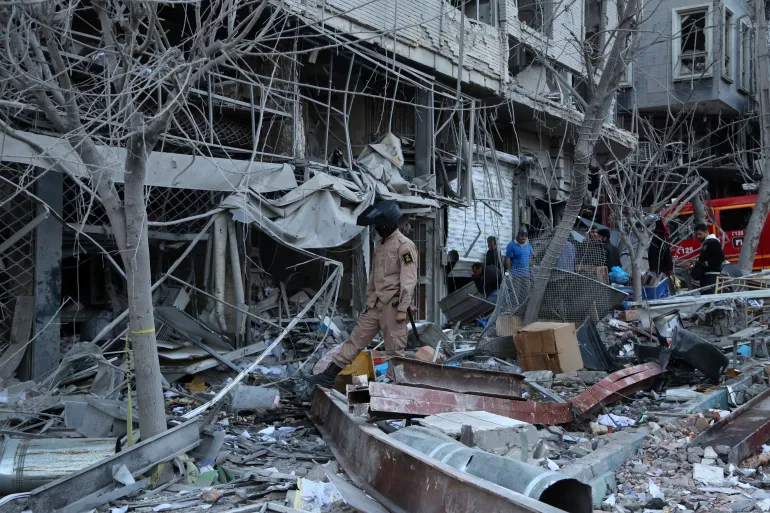
He also disclosed that Israel’s Air Force attacked sites affiliated with Iran’s ballistic missile launch platforms.
Though independent verification of the casualty figures is difficult amid restricted access and communications blackouts, Iranian state-linked sources have released updated figures that show significant loss of life as the conflict enters a new phase.
The figure reflects the deepening humanitarian toll as the intensification of hostilities continues to reverberate across the Middle East.
The humanitarian consequences of the strikes go beyond immediate deaths. Displacement, injuries, loss of homes, interruption of essential services and economic disruption are among the secondary effects being felt by communities across Iran.
As casualty figures continue to be reported and updated, concerns about long-term impacts on civilian life and infrastructure have grown, underscoring the urgent need for both de-escalation and humanitarian support.
The broader conflict has drawn international attention and concern, not only because of the immediate human cost but also for its potential to destabilize the wider region.
Iranian retaliatory actions have reportedly extended beyond its own borders, with missile and drone strikes launched at Israeli territory and US bases in neighboring countries, contributing to a sense of volatility that risks further escalation.
Israel Continues Attacks On Lebanon
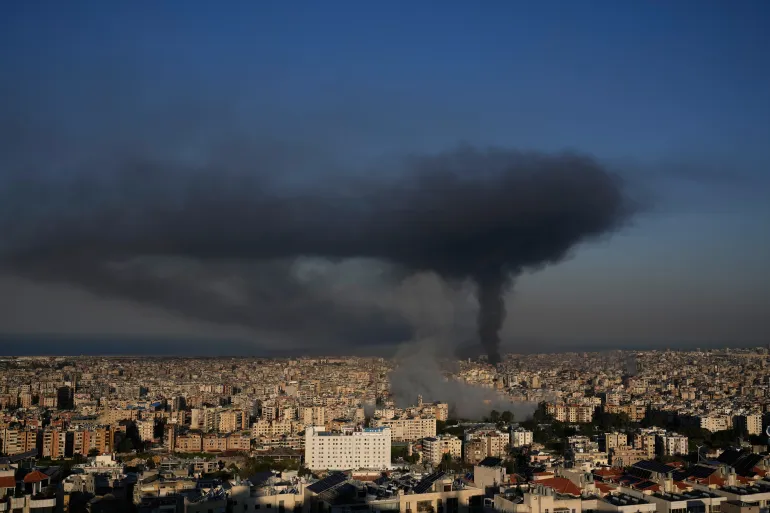
On another front in the widening conflict, the Israeli army launched simultaneous attacks on the Lebanese capital, Beirut, today, Tuesday, March 3, 2026, on positions purportedly belonging to Hezbollah.
The announcement followed Israeli air strikes early Monday on Beirut’s southern suburbs and southern Lebanon that killed at least 52 people and injured 154, according to state-run media.
Hezbollah earlier said that it had launched an attack on the Ramat David Airbase in northern Israel, targeting radar sites and control rooms at the base by deploying “a swarm of drones” at dawn on Tuesday
The Lebanese group added that it carried out the attack in retaliation against Israel’s strikes in several areas of Lebanon.
The new Israeli air raids on Tuesday hit the Haret Hreik area of Beirut’s southern suburbs of Dahiyeh after at least two more attacks on the city’s outskirts.
The Israeli military said that its troops “are operating in southern Lebanon” as it continues strikes in what it described in a statement as a “forward defence” measure along the border.
“We have positioned soldiers on the border area in additional points to defend our civilians, to prevent Hezbollah from attacking them. This is not a ground operation. This is a tactical measure… to ensure the safety of our people.”
Military Spokesman Lieutenant Colonel Nadav Shoshani
The Israeli military also issued forced displacement notices for some 59 areas in Lebanon, including several neighbourhoods in Dahiyeh, traditionally home to more of the Shia population, seen as a support base for Hezbollah.
In a post on the Telegram messaging app, it said it was striking “Hezbollah command centres and weapons storage facilities in Beirut.”
Meanwhile, the Lebanese government has declared the “military activities” of Hezbollah, which acts independently from the state, illegal and called upon the security forces to “prevent any attacks originating from Lebanese territory.”
Hezbollah said that the ban was not justified.
“We understand the Lebanese government’s impotence in the face of the brutal Zionist enemy, which violates national sovereignty, occupies land, and poses a continuous threat to the country’s security and stability.”
Hezbollah
The group added that it is the government’s right “to decide on war and peace.”
“However, given this clear weakness and deficiency, we see no justification for Prime Minister [Nawaf] Salam and his government to take such aggressive measures against the Lebanese who reject the occupation.”
Hezbollah
READ ALSO: Iranian Missiles Strike Gulf States