
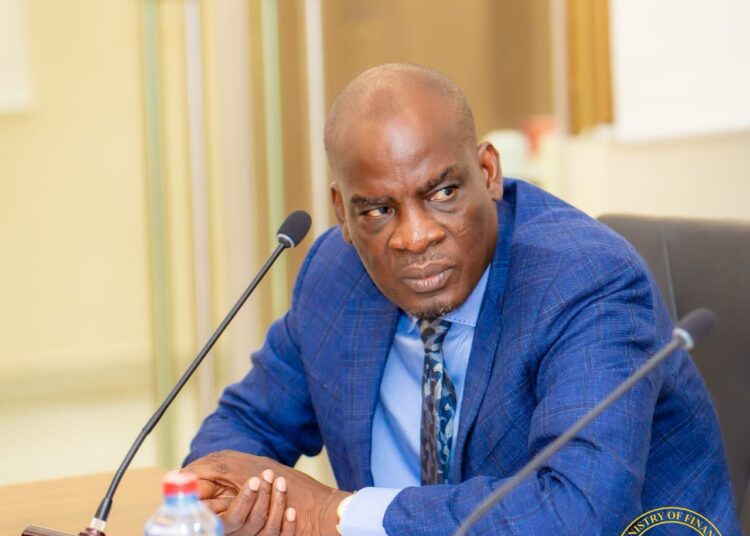
The Government of Ghana is preparing to establish a Technical and Vocational Education and Training fund as part of efforts to strengthen skills development and expand opportunities in technical education.
Minister for Education and Member of Parliament for Tamale South, Haruna Iddrisu, announced that the initiative forms part of President John Mahama’s broader agenda to support practical training and prepare young people for employment in technical fields.
Speaking on the policy direction of the government, the minister said the proposed fund will be supported through allocations from the Ghana Education Trust Fund.
He explained that government intends to dedicate between ten and fifteen percent of the fund to support technical and vocational education programmes across the country.
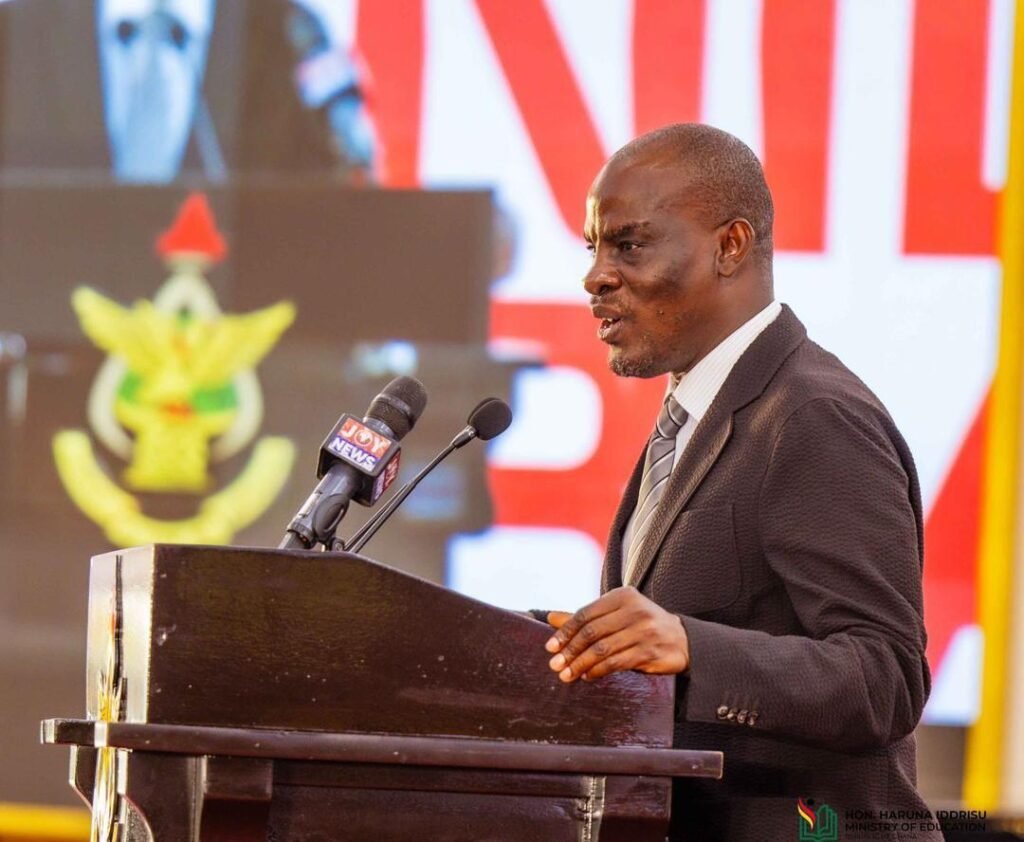
According to him, the decision reflects the growing recognition that Ghana must strengthen technical training if it wants to create sustainable employment opportunities and equip young people with practical skills required in modern industries.
“I want to be able to establish a TVET fund and probably take ten to fifteen percent of GetFund dedicated to technical and vocational education”.
Minister for Education and Member of Parliament for Tamale South, Haruna Iddrisu
He noted that last year the Ghana Education Trust Fund recorded about one hundred million Ghana cedis in revenue. Government plans to channel a portion of these resources toward the development of new technical universities and the expansion of training infrastructure.
Technical Universities Planned for Three Regions
As part of the initiative, the minister disclosed that government intends to commence work on three new technical universities in different parts of the country. The institutions are expected to be located in Dambai, Techiman and Damango.
He explained that the project is aimed at improving access to tertiary education in technical fields while also ensuring that students in underserved regions have opportunities to pursue engineering, science and technology related programmes.
According to the minister, the establishment of these institutions will help bridge the gap between academic education and practical technical training.
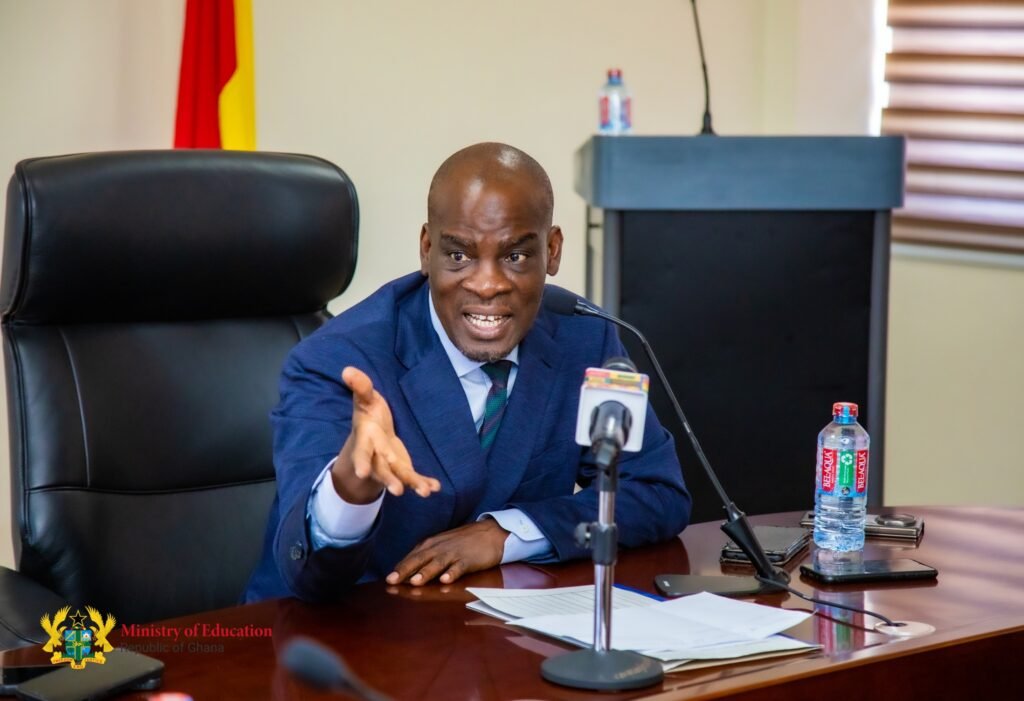
He indicated that part of the funds from the proposed TVET allocation will be used to begin construction works for these institutions, starting with key infrastructure required for teaching and training.
The government believes that expanding the number of technical universities will help meet the increasing demand for skilled workers in areas such as construction, agriculture, engineering and manufacturing.
Damango Science and Technology University Receives Initial Funding
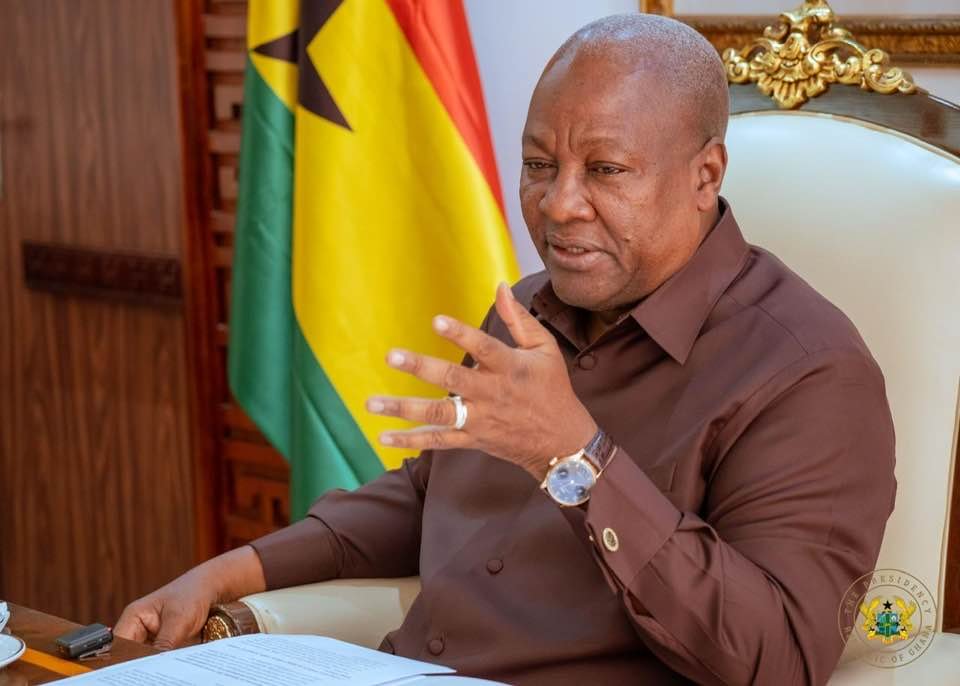
The minister also revealed that President Mahama has already committed significant funding to support the development of a science and technology university in Damango. According to him, the president has provided the equivalent of thirty million United States dollars to begin the project.
He noted that the investment is intended to accelerate the development of higher education infrastructure in the northern part of the country while supporting scientific research and innovation.
The Damango university is expected to focus on science, engineering and agricultural sciences, areas that government considers essential for national development.
The minister said government is also exploring additional international financing to support the expansion of tertiary education infrastructure. He indicated that the president may seek further funding support during planned engagements with international partners.
He explained that government hopes to secure between one hundred million and one hundred and fifty million dollars in additional financing to support ongoing higher education projects.
According to him, about fifty million dollars of the expected funding could be used to complete the University for Engineering and Agricultural Sciences at Bonsu, while the remaining funds would support the development of the Damango institution.
If the financing is secured, he said the resources would help accelerate construction works and expand access to tertiary education in regions that currently have limited facilities.
Expansion of STEM Schools Continues
The minister also spoke about ongoing efforts to expand science, technology, engineering and mathematics education in Ghana. He acknowledged that previous administrations had made important contributions toward expanding access to STEM education.
“I am not one of those who would not give credit. The previous government did its part in expanding access to STEM education,” he said. According to him, the government is currently taking delivery of equipment that was procured to support the establishment of STEM schools across the country.
He explained that a contractor had previously been awarded a project to construct about twenty STEM schools but only completed six or seven of them. The Ministry of Education has now directed the contractor to complete at least three additional schools as part of the ongoing effort to expand STEM education infrastructure.
The minister said one of the schools is expected to be located in Elembelle, another in Zuarungu and a third in the Oti Region. In addition, government is planning to build more STEM facilities in other parts of the country, including the Savannah Region and areas within the Tamale enclave.
He noted that locations such as Bole in the Savannah Region and Kakpai’le in the Tamale area are being considered for additional STEM schools as part of efforts to expand access to science based education.
Structural Safety Concerns Raised Over Some Facilities
During his remarks, the minister also raised concerns about the safety of some education infrastructure projects, noting that certain buildings required structural integrity assessments.
He explained that additional works had been carried out on some facilities and that technical examinations were necessary to ensure the safety of students and staff. “You are endangering the lives of the people using the infrastructure. I have had to do a structural integrity examination of that building,” he said.

The minister stressed that government will prioritise safety and quality standards in all ongoing and future construction projects within the education sector.
According to him, ensuring that school infrastructure meets proper engineering standards is essential to protecting lives and maintaining confidence in public educational facilities.
Expanding Access to Skills and Technical Training
Education officials believe that the creation of a dedicated Technical and Vocational Education and Training fund will play a crucial role in transforming Ghana’s education system.
By directing more resources toward technical training, government hopes to encourage more students to pursue practical careers while reducing pressure on traditional academic pathways.
The proposed fund, combined with the development of new technical universities and STEM schools, is expected to strengthen Ghana’s capacity to train skilled workers for key sectors of the economy.
The minister said the overall goal is to create an education system that balances academic learning with technical expertise while expanding opportunities for young people across the country.
He expressed confidence that the planned reforms will support national development by equipping students with the knowledge and practical skills needed to contribute to economic growth.
READ ALSO: China Sets 7% Defence Budget Growth For 2026