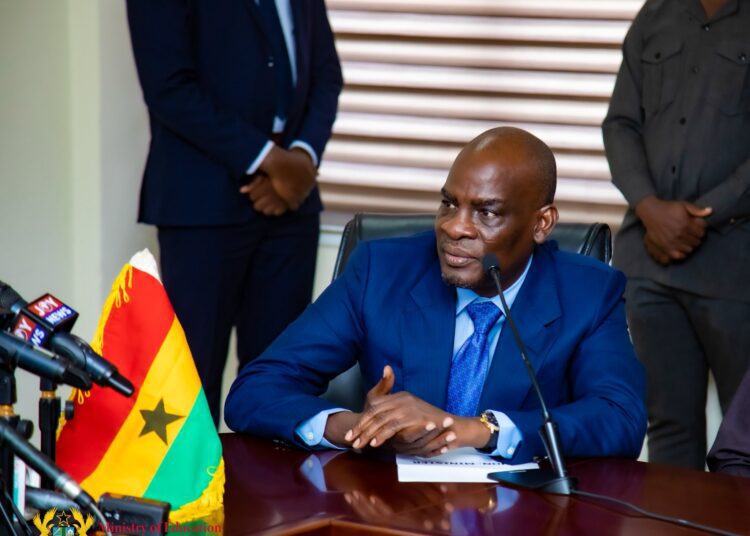
Ghana has secured a three-hundred-million-dollar financing package from the World Bank to support the expansion of infrastructure in senior high schools across the country, according to Minister for Education Haruna Iddrisu.
The funding is expected to address mounting pressure on facilities following the expansion of access to secondary education under the Free Senior High School policy.
Speaking about the initiative, the minister explained that the project forms part of a broader effort by government to improve learning environments, expand access and ensure that the gains made under the Free SHS programme are sustained through adequate infrastructure development.
He noted that the sharp increase in student enrolment over the years has not been matched with the required expansion in classrooms, laboratories, dormitories and other essential facilities.
According to him, this imbalance has created significant challenges for school placement and accommodation of students who complete the Basic Education Certificate Examination and qualify for entry into senior high school.
The minister said the World Bank support will allow the government to convert a number of Category C schools to Category B status while also upgrading several Category B institutions to Category A. In addition, infrastructure in existing Category A schools will be expanded to accommodate growing student populations.
He explained that preparations for the implementation of the project are already underway following engagements between the Ministry of Education and the World Bank. Procurement processes are expected to begin in the coming months, with contracts likely to be awarded around the middle of the year.
“We have started engagement with the World Bank, and we expect that procurement processes will begin soon. By May or June, we should be able to award contracts to contractors who will begin work”.
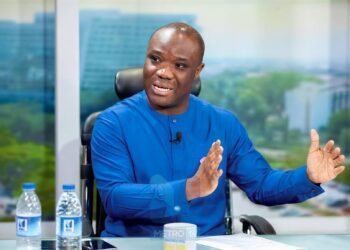
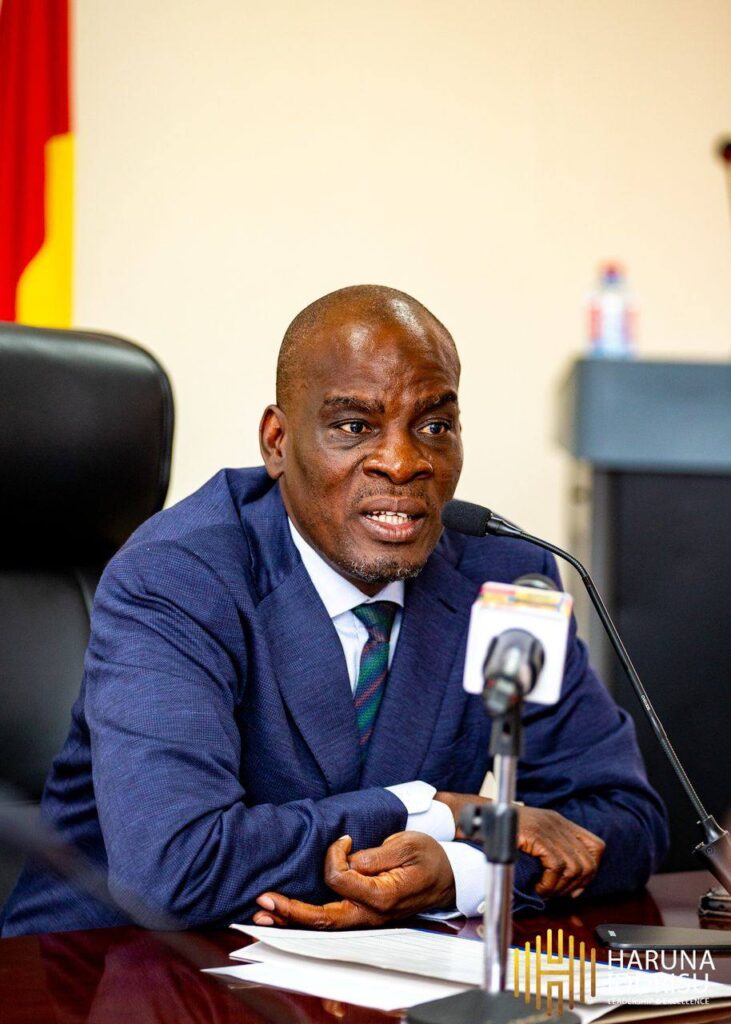
Minister for Education Haruna Iddrisu.
He added that the government expects significant progress within a year once construction begins, noting that the infrastructure expansion is designed to improve access and ease the placement challenges that occur annually when results from the West African Senior School Certificate Examination are released.
The minister indicated that one of his major concerns each year as education minister has been the difficulty in placing students into schools because available infrastructure cannot adequately absorb the growing numbers.
“Each year, when students complete their examinations, and we are doing placements, the key question is where to place them. The policy expanded access but infrastructure expansion did not move at the same pace”.
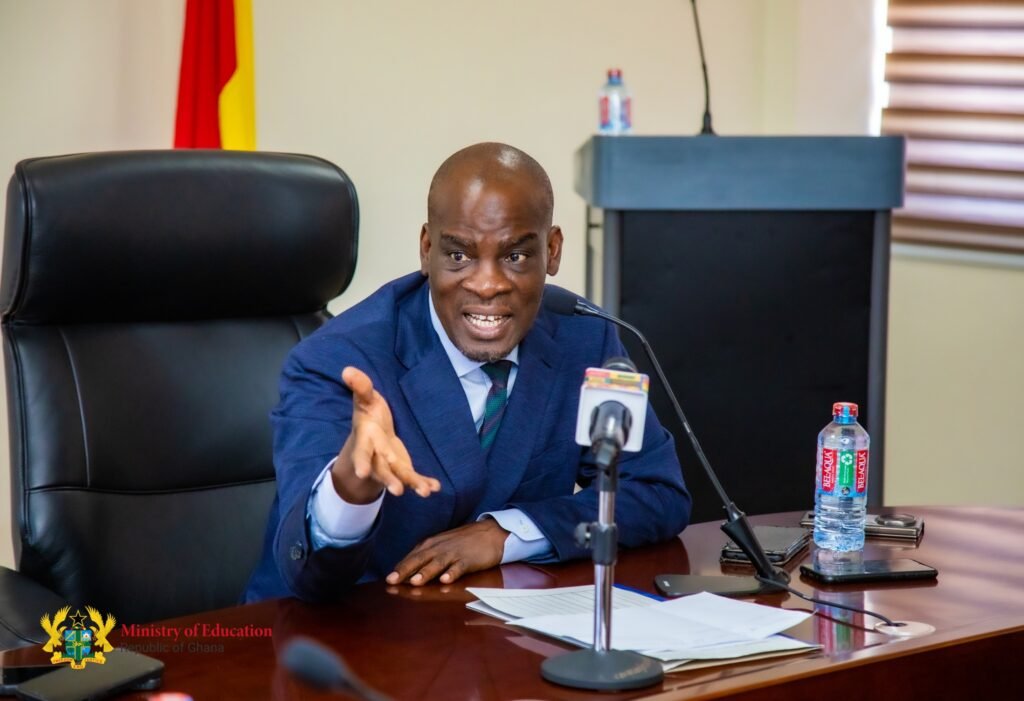
Minister for Education Haruna Iddrisu.
Realignment of Education Funding Priorities
The minister also addressed concerns about how national education funds are currently allocated, particularly the role of the Ghana Education Trust Fund. He explained that a large portion of the fund is presently used to support the Free Senior High School programme.
According to him, about sixty one percent of the fund currently goes into financing Free SHS while basic education receives about nine percent. Tertiary education receives less than a quarter of the total allocation.
He noted that the trust fund was originally established to expand infrastructure for tertiary education. However, the demands of the Free SHS programme have required a shift in how the funds are used.
“GetFund was established primarily to support the expansion of infrastructure in tertiary education. But now sixty-one percent of the fund is spent on free senior high school, which means we are weakening its traditional mandate”.
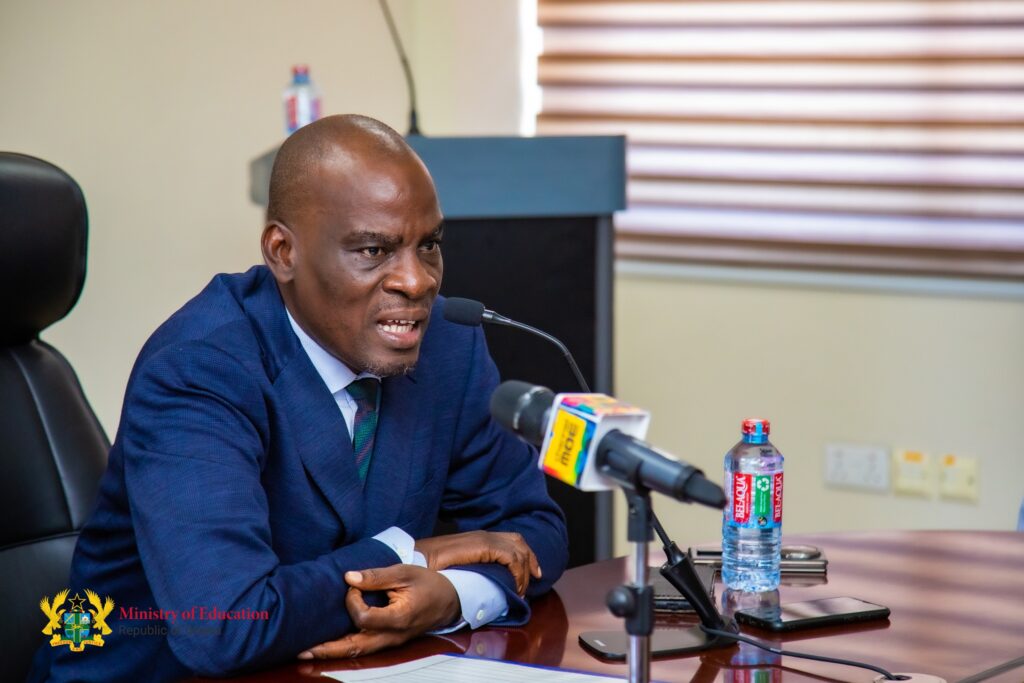
Minister for Education Haruna Iddrisu
Despite this challenge, the minister said government believes that strengthening investment in basic education remains critical for building a strong education system. He pointed out that international experience shows that countries that prioritize basic education tend to achieve better long term outcomes.
He added that government policy will gradually realign financial allocations to place greater emphasis on strengthening foundational education while maintaining access to secondary schooling.
Food Support and Management of Free SHS
The government has also introduced measures to ensure that students enrolled in the Free SHS programme receive adequate feeding support. The minister disclosed that the President directed that four point two billion cedis from the Ghana Education Trust Fund be allocated to support feeding in senior high schools.
This intervention, he explained, ensures that schools have the resources needed to provide meals for students and prevent disruptions in the academic calendar. He noted that the allocation forms part of the funding formula approved by Parliament and is intended to stabilise operations within the Free SHS system.
The Ministry of Education is also considering the creation of a small administrative structure to oversee the programme more effectively. The proposed Free SHS secretariat would include regional coordinators who will supervise implementation across the country.
According to the minister, the move has become necessary following reports from school heads regarding challenges in managing food supplies and storage within some institutions.
“We are hearing concerns from some headmasters regarding food supplies and storage challenges. A structured secretariat will help coordinate the programme more effectively”.
Minister for Education Haruna Iddrisu
Expanding Access for Students with Disabilities
Another major component of the government’s education agenda is the expansion of opportunities for students with special needs. The minister said the administration has fulfilled a commitment to provide free education for persons with disabilities through amendments to the Ghana Education Trust Fund arrangements.
Under the new framework, students with disabilities will benefit from free education as well as the provision of assistive devices to support their learning. He indicated that schools that specialise in supporting students with hearing, visual, and other learning challenges will receive additional assistance.
The government also plans to construct new special education institutions in Ho and Akropong as part of efforts to improve access to specialised education services.
According to the minister, the ministry is exploring the possibility of securing additional support from the World Bank to fund these facilities alongside the three hundred million dollar infrastructure expansion programme.
The initiative aims to create institutions where students with different forms of disabilities can access appropriate learning environments and specialised support services.
Building New Schools and Reducing Boarding Pressure
Beyond upgrading existing institutions, the government also plans to construct new day schools in districts that currently lack adequate senior high school facilities.
The minister said there are at least thirteen districts in Ghana that do not have senior high school infrastructure capable of providing quality education with dignity.
He cited communities such as Lartey Bikoshie and Nima as examples of areas where new day schools will be developed to serve local populations.
These schools will follow models similar to the modern facilities developed in places such as Kwabenya, which combine classrooms, laboratories and other support infrastructure within a well planned environment.
In addition, government intends to gradually reduce the heavy reliance on boarding facilities in urban areas while maintaining boarding options in rural communities where long travel distances make day schooling difficult.
According to the minister, the approach will help create a more balanced and efficient secondary education system while ensuring that rural students are not disadvantaged.
Strengthening the Future of Secondary Education
Officials believe that the three hundred million dollar World Bank support represents a significant step toward strengthening Ghana’s secondary education system.

By expanding infrastructure, improving funding mechanisms and supporting inclusive education, the government aims to sustain the Free SHS programme while improving the quality of learning conditions for students across the country.
The minister expressed confidence that the planned reforms and investments will address current challenges and position the education sector to meet the needs of a growing student population.
READ ALSO: March 16 Fuel Pricing Window to Test Downstream Market Dynamics