The Minister of Communications, Digital Technology and Innovations and the Member of Parliament for Ningo Prampram, Honourable Samuel Nartey George has expressed relief following Parliament’s passage of the Human Sexual Rights and Family Values Bill and described the development as a major milestone in a legislative process that has spanned several years.
Honourable Nartey credited the progress of the legislation to the commitment shown by parliamentary leadership and key committees that steered the bill through the various stages of consideration. The Ningo Prampram MP stated that sustained support within the House played a decisive role in ensuring the bill returned to Parliament after legal and procedural questions emerged over its status following the dissolution of the previous Parliament.
The Minister of Communications explained that differing legal interpretations surrounded the bill after its submission in 2024. He explained that one legal interpretation was that Parliament had fulfilled its mandate once the bill passed its third reading and was forwarded to the Former President, Nana Addo Dankwa Akuffo Addo.

Honourable Samuel Nartey George“As long as that had not happened, I believed all that remained was presidential assent. However, the prevailing view was that once Parliament ended without assent to the bill, it had to be reintroduced. We therefore relaid the bill in September last year, and I commend the committee leadership for the speed with which it advanced the process. It took us three years under the previous committee leadership to reach this stage.”
The Minister indicated that the bill would now undergo the remaining parliamentary procedures before being forwarded to the President for assent.
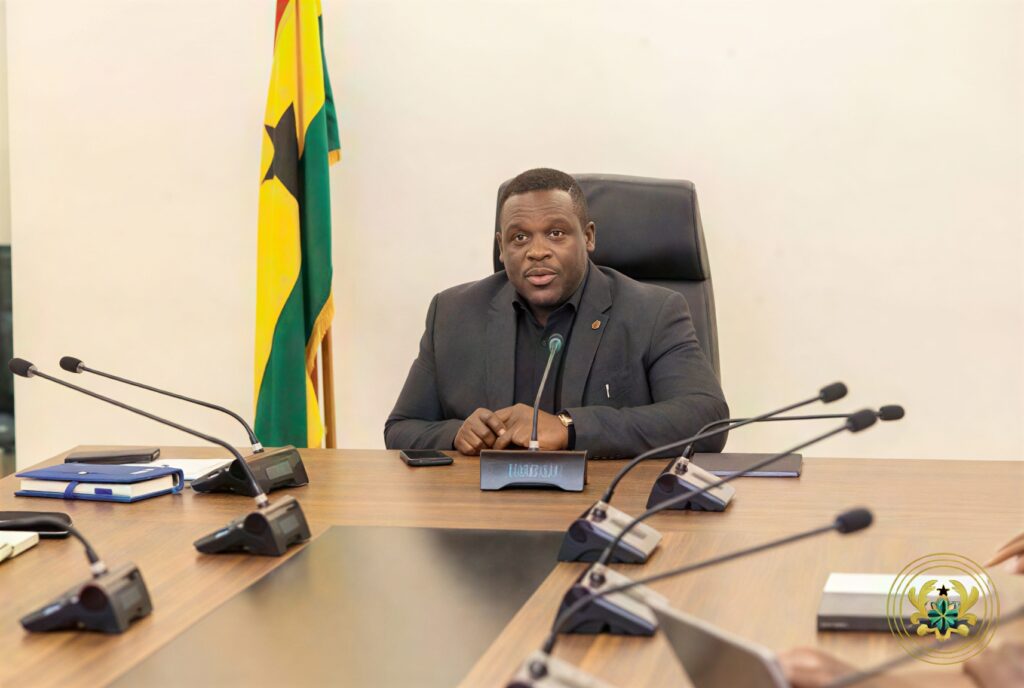
Furthermore, the Ningo Prampram MP expressed confidence that the legislation would be transmitted to the President within a short period. He stressed that calls for presidential assent are based on commitments previously made on the matter and not on pressure from individual legislators.
Honourable Samuel Nartey George“We are lawmakers for Ghana and our consideration is for the people of Ghana. We will be guided by what is right for the country.”
In addition, Honourable Nartey stated that Ghana’s sovereignty should be a guiding principle in legislative decisions. He suggested that public policy must be influenced primarily by the country’s values, legal framework and national priorities.
The Ningo Prampram MP further argued that prudent economic management would strengthen Ghana’s ability to pursue policies that align with national convictions. He added that responsible spending and fiscal discipline could reduce dependence on external support while protecting the country’s legislative independence.
Legal Safeguards And Exemptions Take Centre Stage In Bill
Honourable Samuel Nartey George defended amendments and exemptions contained in the Human Sexual Rights and Family Values Bill, insisting that the provisions have been introduced to safeguard constitutional rights and provide legal clarity.
While acknowledging Honourable Reverend Ntim Fordjour’s role as a sponsor of the bill, Honourable Nartey contended that the resistance to the exemptions by the parliamentarian and sections of the NPP is politically motivated.
Honourable Nartey addressed specific clauses in the legislation and argued that public commentary on the matter should be guided by the actual text of the bill. The Ningo Prampram MP indicated that several debates emerged around advocacy provisions and the interpretation of exemptions included in the legislation.
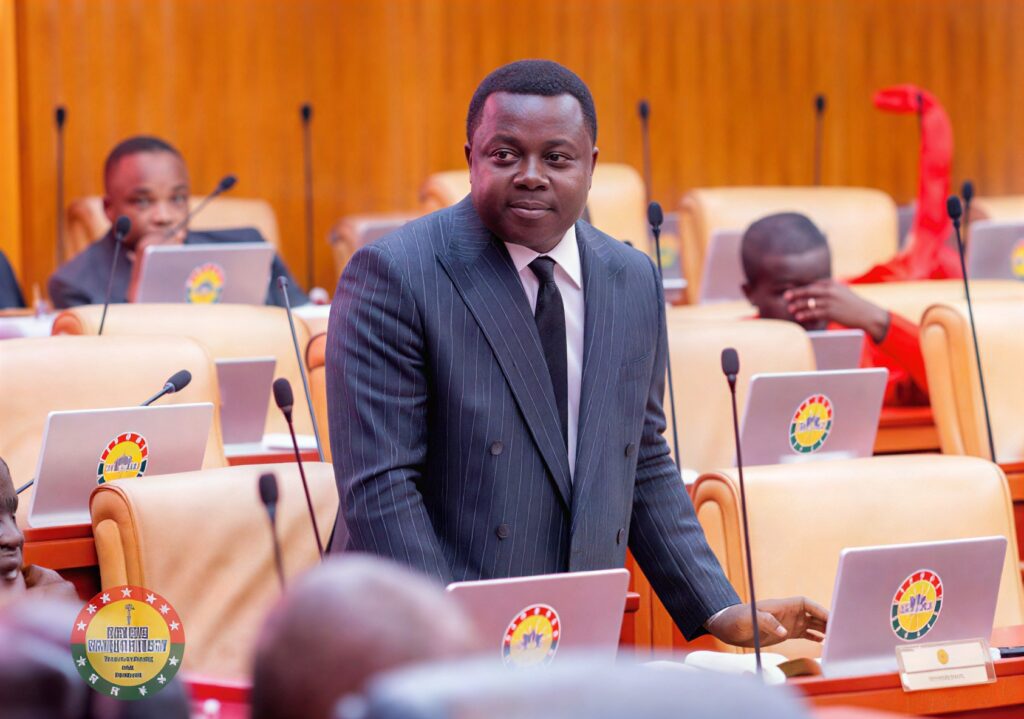
According to the Minister of Communications, Digital Technology and Innovations, the bill’s sponsors deliberately subjected certain sections to constitutional requirements to ensure that no provision would conflict with rights guaranteed under Ghana’s legal framework. He explained that they were called out by the Ghana Bar Association and other stakeholders during consultations.
Honourable Samuel Nartey George“The constitutional right to legal representation cannot be overridden. That is why the law clearly states that legal services are not advocacy… We introduced the phrase ‘subject to the Constitution’ because the bill had been criticised for allegedly taking away constitutional rights.”
The Ningo Prampram MP revealed that one key exemption relates to legal representation and legal advice. He noted that lawyers questioned whether providing services to persons accused under the proposed law could be interpreted as advocacy.
As a result, lawmakers introduced explicit protections to remove any ambiguity. Honourable Nartey explained that constitutional rights to legal counsel remain intact regardless of the offence involved.
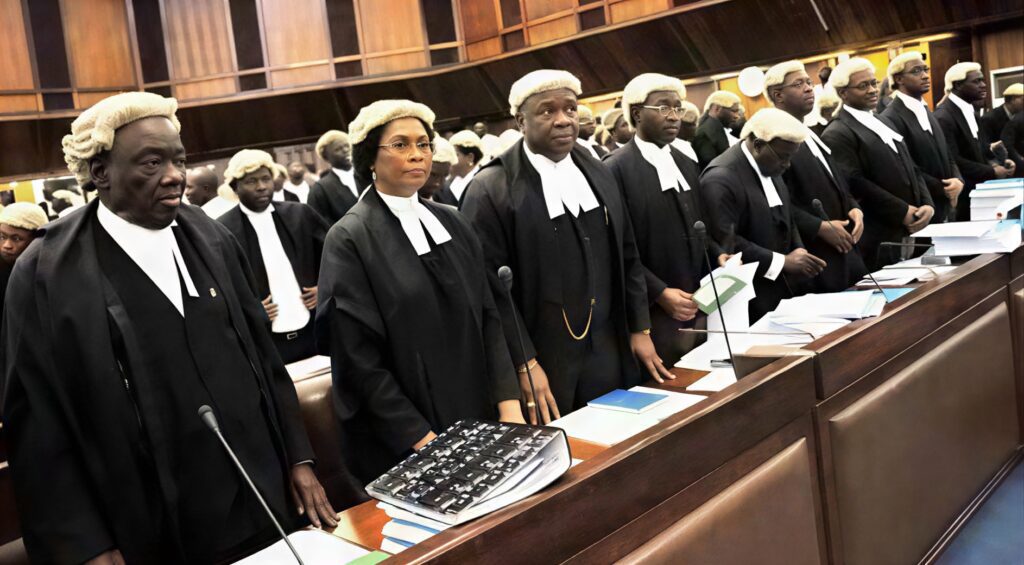
Furthermore, the Minister pointed to exemptions covering proceedings before courts, tribunals, commissions of inquiry and Parliament. He explained that individuals appearing before such institutions enjoy recognised protections when presenting evidence, opinions or submissions within those official settings.
Honourable Nartey also highlighted exemptions involving academic, scientific and medical opinions. He stated that lawmakers acknowledged the constitutional protections surrounding scholarly work and professional research, making it necessary to define clear boundaries within the legislation.
In addition, the Ningo Prampram MP addressed provisions concerning health related communication by government agencies, development partners and organisations involved in public health programmes. He explained that these exemptions were carefully framed to allow legitimate health interventions while maintaining the objectives of the bill.
The Minister of Communications, Digital Technology and Innovations also defended provisions covering medical, psychological, surgical and counselling services delivered in accordance with accepted professional standards. He argued that recognised regulatory bodies already provide guidance on professional conduct within those fields and the protections for journalists and media organisations reporting on current affairs.
The Ningo Prampram MP concluded that the exemptions have been crafted to provide certainty for courts, professionals and institutions that may interpret or apply the legislation in the future. He argued that clearly defined provisions would strengthen implementation and minimise disputes over the intent of Parliament.
READ ALSO: Zambia Clears Two Suspected Ebola Cases