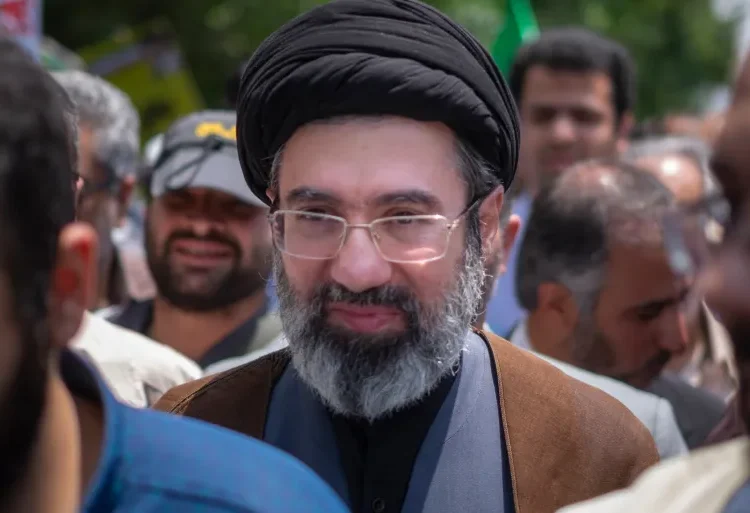
North Korea has announced its support for Iran’s appointment of Mojtaba Khamenei as the country’s Supreme Leader.
The state-run Korean Central News Agency (KCNA) quoted a Spokesperson from North Korea’s Ministry of Foreign Affairs as saying that Pyongyang respected the choice of Iran to select Mojtaba Khamenei as Supreme leader, the son of late Supreme Leader Ayatollah Ali Khamenei, who was killed in a US-Israeli attack at the start of the war on February 28, 2026.
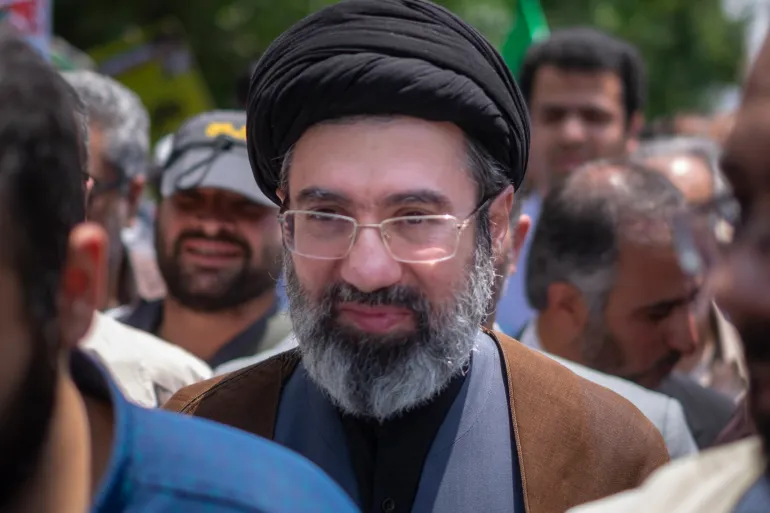
KCNA quoted the ministry Spokesperson as saying, “regarding the recent official announcement that the Iranian Assembly of Experts has elected a new leader of the Islamic Revolution, we respect the right and choice of the Iranian people to elect their Supreme Leader.”
The statement from Pyongyang did not elaborate on the broader geopolitical implications of the leadership transition in Iran.
Instead, the spokesperson’s remarks focused on respect for Iran’s sovereign decision-making and recognition of Mojtaba Khamenei as the country’s new leader.
The circumstances surrounding the death of Ali Khamenei have intensified tensions in the Middle East, particularly as the conflict involving the United States, Israel, and Iran continues to unfold.
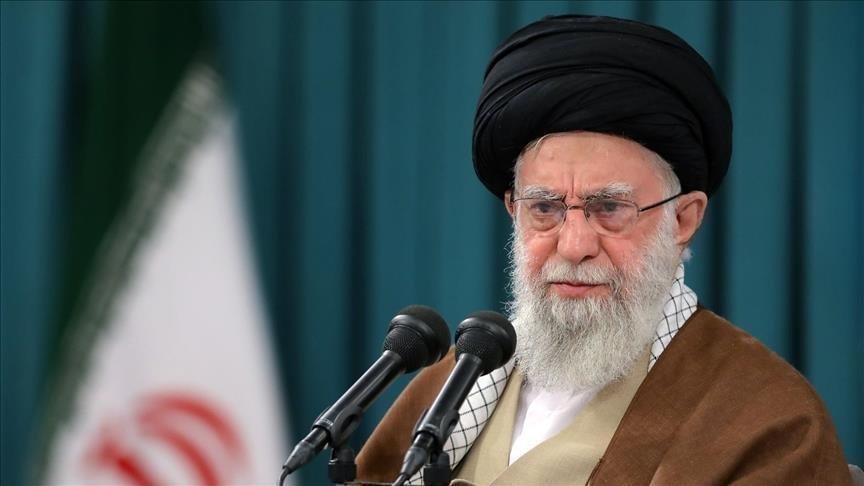
The war has drawn widespread international attention, with governments and organizations around the world monitoring developments closely.
In this context, the appointment of Mojtaba Khamenei as Supreme Leader represents not only a domestic political shift in Iran but also a development with potential regional and international implications.
Leadership transitions in Iran can have a significant impact on the country’s foreign policy direction, its approach to ongoing conflicts, and its relationships with global powers.
Also, North Korea denounced the “illegal” attack by the United States and Israel on Iran.
“We express grave concern and strongly condemn the aggression of the United States and Israel, which, by launching an unlawful military attack against Iran, are undermining the foundations of regional peace and security and increasing instability in the international landscape.”
Spokesperson from North Korea’s Ministry of Foreign Affairs
The Spokesperson also condemned the attacks for undermining “the political system and territorial integrity of a country” which is unacceptable and “must be condemned and rejected by the entire world.”
Following the launch of the US-Israel war on Iran 12 days ago, North Korea condemned what it branded “gangster-like conduct” in the Middle East.
North Korea Conducts Another Test-firing Of Strategic Cruise Missiles
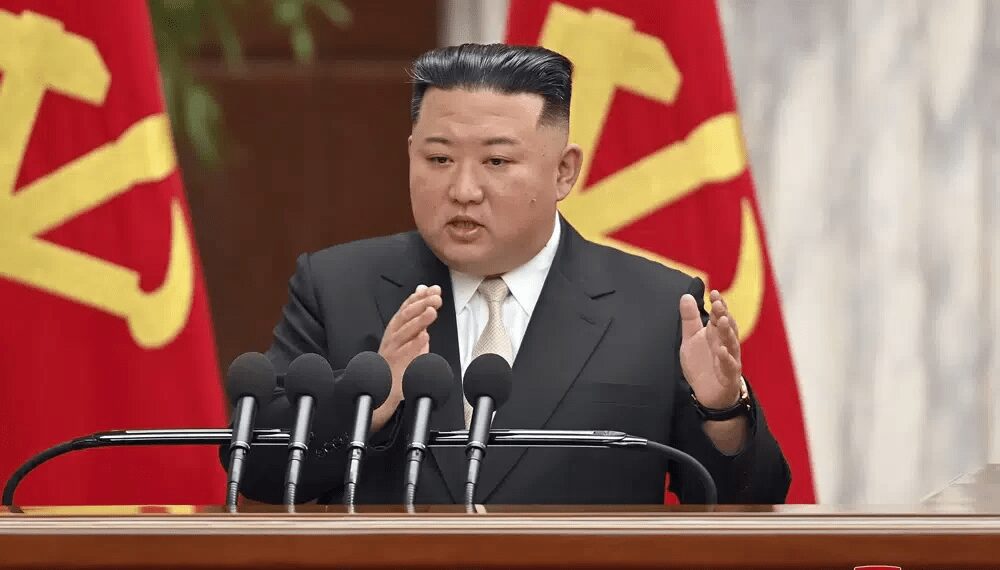
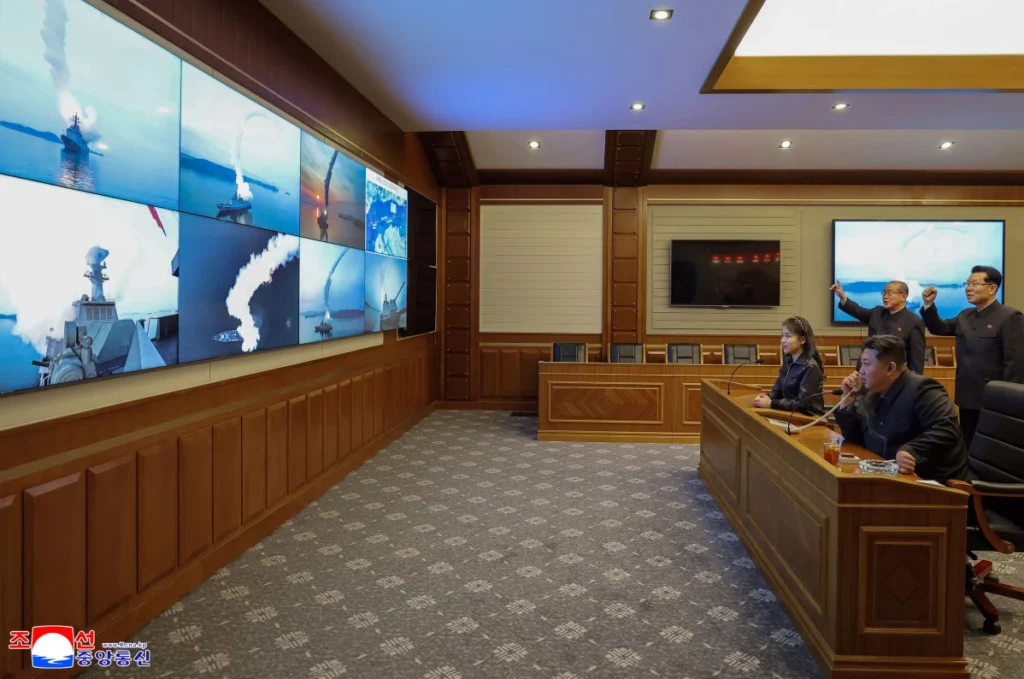
KCNA also reported today that North Korean leader Kim Jong Un had overseen another test-firing of strategic cruise missiles from the country’s latest and largest naval destroyer, Choe Hyon.
According to the KCNA report, Kim spoke during the event about the important strategic task of “maintaining and expanding a powerful and reliable nuclear war deterrent.”
KCNA said that the missiles hit target islands off North Korea’s west coast. It quoted Kim Jong Un as saying the launches were meant to demonstrate the navy’s strategic offensive posture and get troops familiarized with weapons firings.
The launch of the missile from the Choe Hyon was the second missile test from the destroyer overseen by Kim, who last week lauded his country “arming the Navy with nuclear weapons.”
The missile firings came after the start of the springtime US-South Korean military drills that North Korea views as an invasion rehearsal.
On Tuesday, Kim Jong Un’s sister and senior official, Kim Yo Jong, warned the drills reveal again the US and South Korea’s “inveterate repugnancy toward” North Korea.

She said that North Korea will “convince the enemies of our war deterrence.” The 11-day Freedom Shield drill that began Monday is largely a computer-simulated command post exercise and will be accompanied by a field training program. North Korea often reacts to the two sets of training with its own weapons tests.
The US has for decades led efforts to dismantle North Korea’s nuclear programme, but has had little influence on Pyongyang, which has asserted that such weapons are required to prevent any threat of invasion by South Korea and its allies in Washington.
In recent months, the Trump administration indicated its willingness to revive high-level talks with North Korea, while Kim recently said that the two nations could “get along” if Washington accepted his country’s status as a nuclear power.
READ ALSO: German Court Jails Lebanese National over Hezbollah Membership