

Dangote Petroleum Refinery has successfully exported over 450,000 tonnes of refined hydrocarbons to diverse African markets, a feat that translates to approximately 3.3 million barrels of oil.
This strategic milestone, achieved as the facility reached its full 650,000 barrels-per-day capacity in early 2026, has generated an estimated $330 million in revenue, effectively positioning Nigeria as the new epicenter of Africa’s energy security.
The timing of this export surge is particularly significant as geopolitical instability in the Middle East specifically the closure of the strategic Strait of Hormuz has crippled traditional supply routes and sent global oil prices hovering near $100 per barrel.
“Since the escalation of the Middle East crisis, over 450,000 tonnes of refined hydrocarbons have already been shipped across the continent from the Dangote plant. This development comes as traditional supply flows are squeezed, forcing African importers to seek regional alternatives.”
France24 report

By delivering 12 massive cargoes of Euro V-standard fuel to nations including Ghana, Togo, Ivory Coast, Cameroon, and Tanzania, the refinery has stepped into a critical supply vacuum.
“The Dangote Refinery has stepped into that vacuum with remarkable speed,” analysts note, “transforming a capital-intensive gamble into a savior for economies heavily dependent on volatile imports.”
This shift not only stabilizes regional fuel prices but also marks the first time a single African entity has provided a localized buffer against global shocks of this magnitude.
Economic Windfall and Strategic Power Shift

The financial implications of this “jackpot” are reshaping the Nigerian economy and the broader African trade balance.
At an average valuation of $100 per barrel, the initial wave of exports has secured over $330 million in just a few weeks, with conservative projections suggesting that sustained demand could push these figures beyond the $400 million mark.
For a continent that has historically exported its crude only to re-import refined products at a premium, the Dangote Refinery disrupts this “circular debt” of value.
By keeping the refining process within African borders, the facility ensures that the “value–added” profits remain on the continent, strengthening the Naira and reducing the collective drain on foreign exchange reserves across the ECOWAS and EAC blocs.
Revolutionizing African Oil Operations

This achievement signals a fundamental restructuring of how oil operations are conducted across Africa.
The success of the Dangote model proves that integrated; large-scale infrastructure can mitigate “logistical delays and external supply shocks” that have long plagued the region.
Previously, West Africa was often treated as a “dumping ground for lower-quality fuels,” but the refinery’s commitment to Euro V standards is forcing a continental upgrade in fuel quality requirements.
This operational shift is encouraging a move toward shorter, more resilient supply chains where proximity reduces the “landed cost” of fuel, making energy more affordable for the average African consumer and industrialist alike.
Lessons for Regional Refiners and Future Outlook
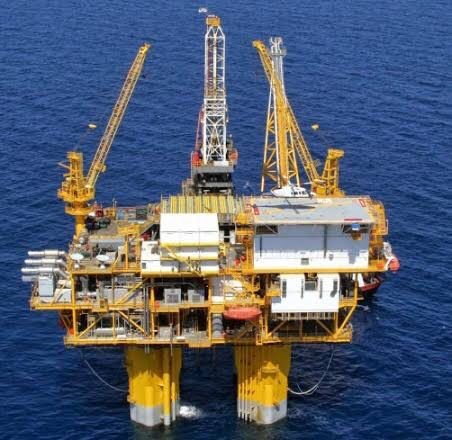
The “Dangote effect” provides a blueprint for other African nations, particularly Ghana, as it seeks to revitalize the dormant Tema Oil Refinery (TOR).
The primary lesson is that “infrastructure built in anticipation of future needs becomes transformational when crisis strikes.”
For other refineries to replicate this success, they must prioritize high-utilization rates, adopt transparent “Free on Board” (FOB) trading mechanisms, and seek government policies that favor local production over cheaper, substandard imports.
As the refinery eyes expansion into Western markets for jet fuel and diesel, it serves as a reminder that regional energy independence is no longer a luxury it is a strategic necessity for survival in a politicized global market.
READ ALSO: Central Adoption Authority Strengthens Child Welfare at Board Meeting