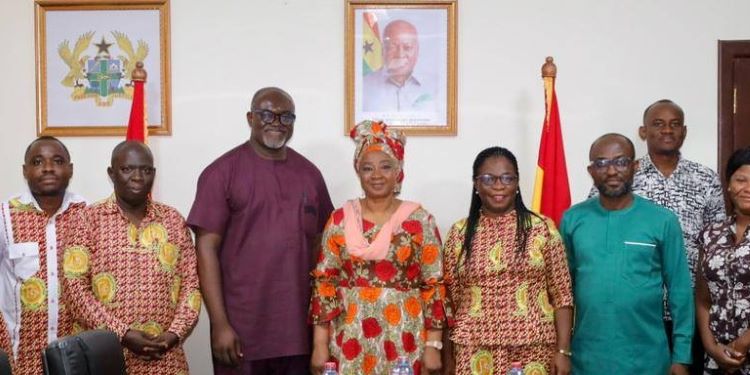
The structural alignment between scientific inquiry and national policy has reached a significant milestone this week as the Ghana Science Association (GSA) initiated a high-level strategic engagement with the Ministry of Fisheries and Aquaculture Development (MoFAD).
According to the Ministry, this engagement, centered on the upcoming 20th Biennial Workshop scheduled for September 2026, represents a critical effort to institutionalize science-driven governance within Ghana’s maritime domain, especially as the nation grapples with the complexities of climate change, overfishing, and coastal degradation.
The convergence of academic rigor and executive authority was described as a fundamental necessity for sovereign survival, with the dialogue in Accra setting the stage for a transformative period in which the Blue Economy is elevated from a theoretical framework to a functional engine of industrial and economic growth.
“The high-level engagement saw the Association formally invite the Minister for Fisheries and Aquaculture, Hon.Emelia Arthur, to serve as keynote speaker at the opening ceremony of the workshop, which will be held under the theme ‘Advancing Ghana’s Blue Economy: Securing Our Shores, Feeding Our Future’”
Ministry of Fisheries and Aquaculture Development
In securing the Minister’s participation, the GSA ensured that the academic findings presented at the School of Graduate Studies later this year will have a direct, friction-free path to the halls of policy implementation.
MoFAD observed that this was the “Science-Policy Nexus” in its most effective form – a deliberate attempt to ensure that the researchers in the laboratory and the policymakers in the cabinet are reading from the same industrial blueprint.
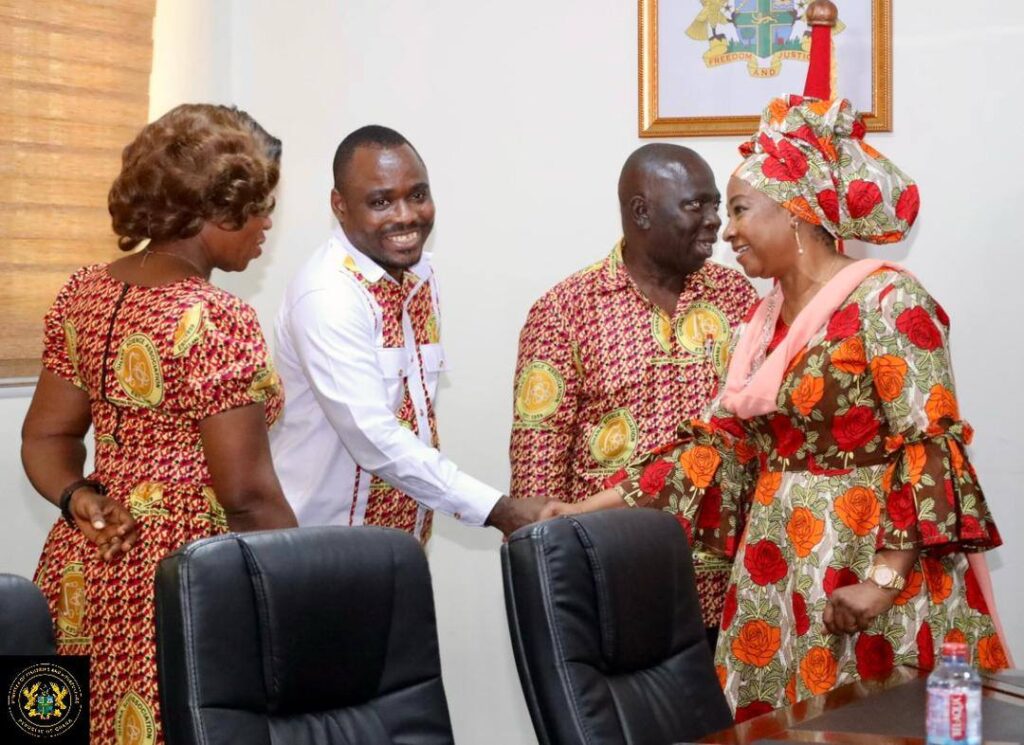
Representing the Hon. Emelia Arthur during the meeting, the Chief Director of MoFAD, Dr. Afisah Zakariah, provided a sophisticated endorsement of the GSA’s initiative. Her remarks underscored a pivotal shift in the Ministry’s operational philosophy: the transition toward a purely evidence-based model of resource management.
In an era where “Blue Food” provides approximately 60% of Ghana’s animal protein, the stakes of sustainable management are exceptionally high. Dr. Zakariah’s reaffirmation of support for the workshop highlighted the Ministry’s recognition of traditional methods of coastal management being augmented by modern scientific data.
This commitment to science-based research is essential for addressing the technical challenges of the fisheries sector, including monitoring pelagic stocks and mitigating “Illegal, Unreported, and Unregulated” (IUU) fishing.
This collaborative model will allow for the translation of complex marine data into practical, street-level strategies that can be implemented by coastal communities and industrial fishing fleets alike, ensuring that the harvest of today does not compromise the food security of tomorrow.
Translating Research into Strategy
According to the GSA, the 20th Biennial Workshop is meant to be a market for solutions, representing the Association’s focus on translating research into practical strategies as a direct response to the challenges that often hinder African industrialization.
For Ghana’s blue economy to thrive, the innovations emerging from the School of Graduate Studies must be scalable and commercially viable. This includes the development of new aquaculture technologies, more efficient cold-chain logistics for fish preservation, and the engineering of resilient coastal infrastructure that can withstand rising sea levels.
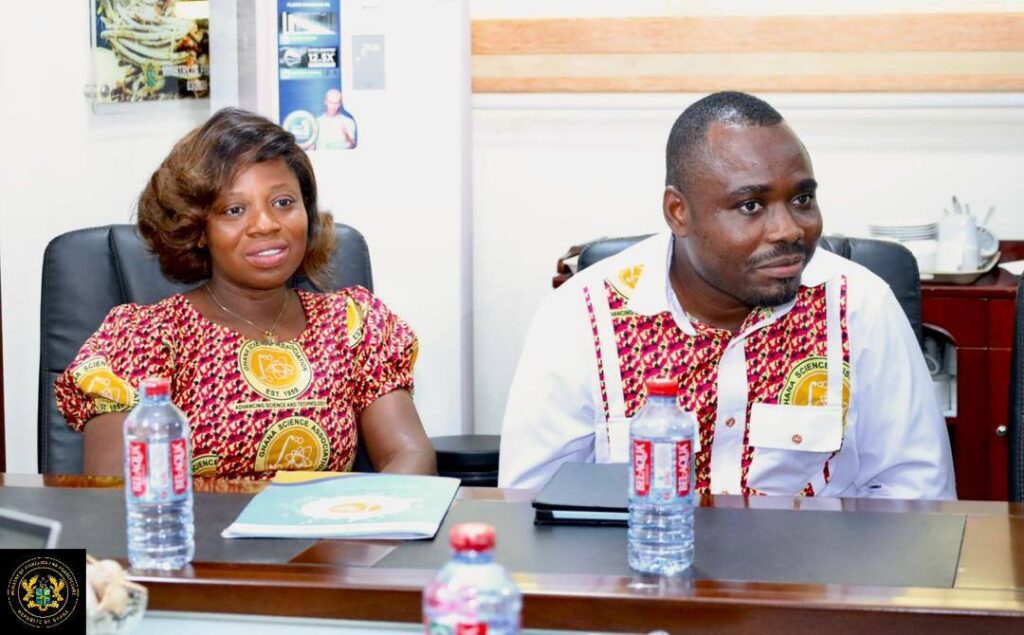
Thus, bringing together academia and policymakers is expected to facilitate a dialogue that prioritizes the “commercialization of science.” This is about the industry moving beyond primarily producing fish to the secondary and tertiary value-added services that define a modern blue economy.
Whether through the development of marine-based pharmaceuticals or the implementation of advanced biotechnology in aquaculture, the upcoming workshop will serve as the incubator for the next generation of Ghana’s maritime industrial giants.
A noteworthy aspect of the GSA’s presentation was its emphasis on “industrial literacy” through the “Everyday Science for Schools” (ESS) publication series. This initiative is a strategic investment in the future labor force of the blue economy, introducing junior and senior high school students to the technical realities of environmental sustainability and the coastal economy.
The GSA noted that the next generation of Ghanaians must not only be aware of the sea but also capable of managing it, and this educational pipeline is vital to building a workforce that can handle the high-tech demands of modern agribusiness and marine science.
Furthermore, Dr. Zakariah’s call for research into pressing health concerns such as cancer and kidney disease added a necessary layer of human capital protection to the blue economy strategy.
There is an increasing understanding of the link between environmental pollutants – often found in compromised marine ecosystems – and the rise of non-communicable diseases, and she challenged research institutions to uncover the root causes of these health crises.
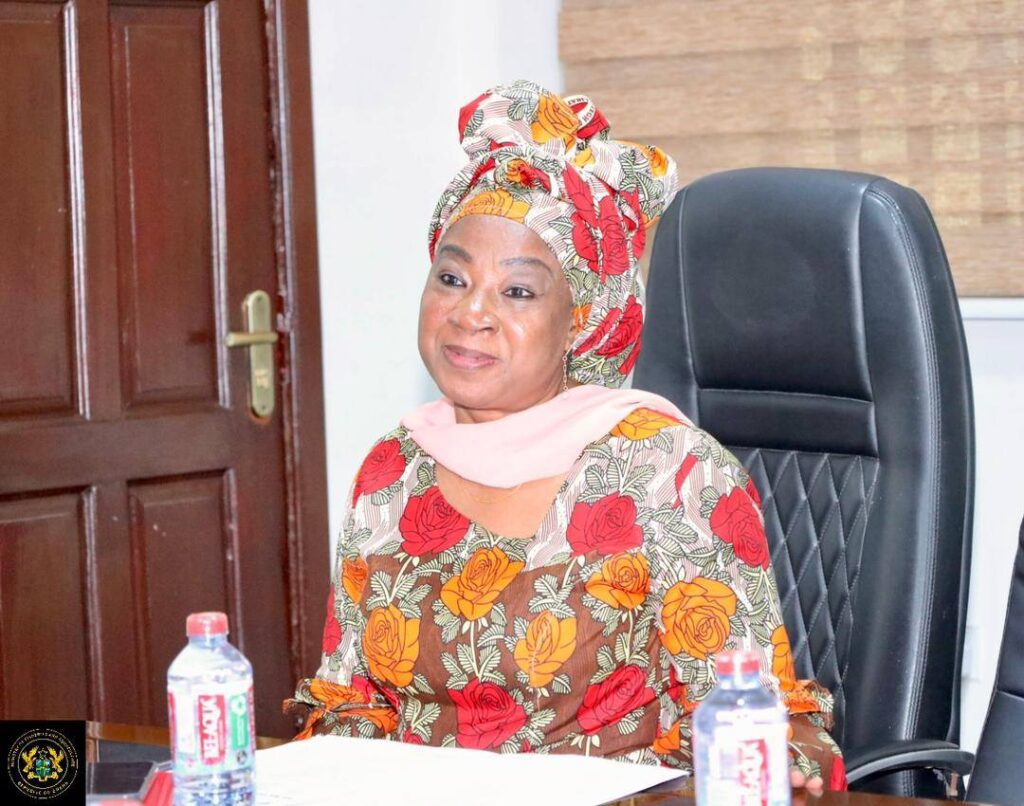
The Ministry acknowledged that a resilient blue economy is impossible without a healthy and resilient population – presenting a holistic view of national development that recognizes how the health of the ocean and the health of the citizen are inextricably linked.
As the GSA and MoFAD move toward the September 2026 workshop, the path forward is defined by a commitment to sovereign resilience.
The Blue Economy is no longer a peripheral concern; it is a central pillar of Ghana’s national security and economic independence, and the 20th Biennial Workshop will undoubtedly serve as the definitive platform for shaping the policy dialogue for the next decade.
READ ALSO: EU To Cut Electricity Taxes