The call for stronger financial support for women-led businesses took center stage at the 2026 Ghana Female CEOs Summit, where the Second Deputy Governor of the Bank of Ghana, Matilda Asante-Asiedu, urged financial institutions to rethink how they engage women entrepreneurs.
Addressing participants at the high-level gathering, Mrs. Asante-Asiedu challenged banks to move away from outdated perceptions that place women entrepreneurs in a category of social support rather than recognizing them as one of the most commercially viable customer segments in the financial market.
Her remarks come at a time when access to finance remains one of the biggest barriers to the growth and expansion of women-owned businesses across Ghana.
Women Entrepreneurs Are Proven Performers
Speaking passionately on the business case for lending to women, Mrs. Asante-Asiedu pointed to industry data and practical experience from the banking sector, which continue to show that women entrepreneurs often outperform many customer groups when it comes to loan repayment and business discipline.
According to her, women-owned enterprises have demonstrated strong financial responsibility, prudent investment practices, and resilience in managing businesses through economic challenges.
“So to the financial institutions, stop treating women entrepreneurs as a charitable constituency and start treating them as the most commercially compelling segment.”
Mrs. Asante-Asiedu
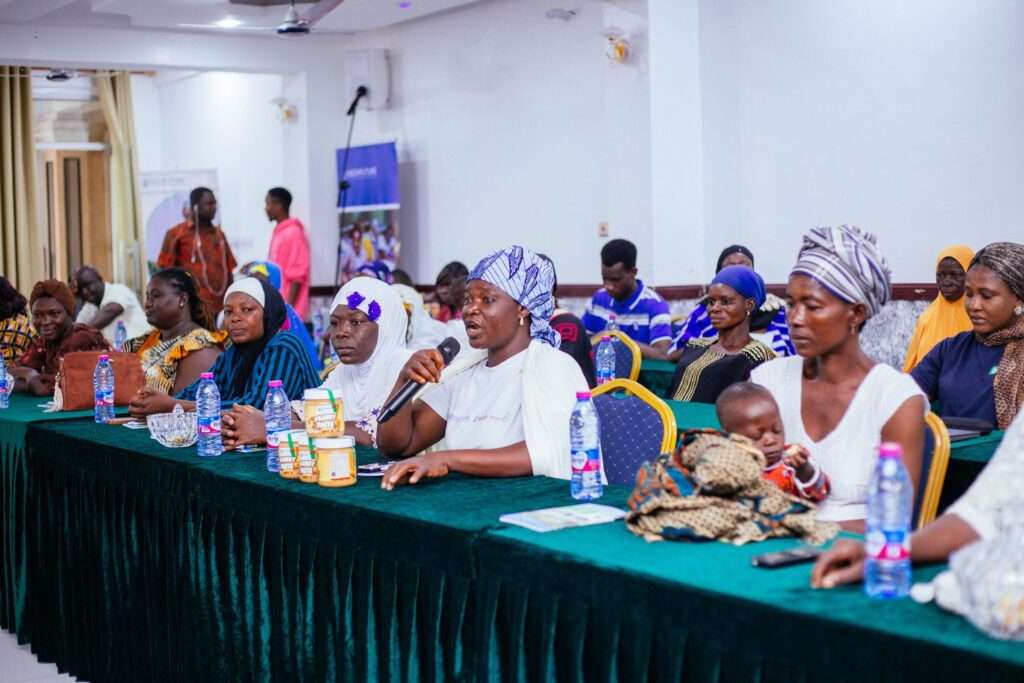
Her comments resonated strongly with participants at the summit, many of whom are business leaders, executives, and entrepreneurs working to advance women’s participation in the economy.
Mrs. Asante-Asiedu emphasized that women entrepreneurs are not seeking favors but fair access to financial opportunities that match their business performance.
A Strong Case for Increased Lending
Drawing from her years of experience in commercial banking, the central bank official argued that the evidence in support of financing women-led businesses is too strong for financial institutions to ignore.
She explained that women tend to approach business financing with greater caution and strategic planning, often channeling borrowed funds directly into productive ventures rather than non-essential spending.
“The women repay better, they invest more, they build wisely and they build resilient enterprises,” she added.
Her remarks highlighted a growing consensus among policymakers and financial experts that increasing access to finance for women can unlock significant economic value.
Across many sectors in Ghana, from agriculture and manufacturing to retail and technology, women continue to establish businesses that create jobs, generate income, and support local economic activity.
However, many of these businesses remain undercapitalized due to limited access to affordable loans.
Banks Urged to Rethink Risk Premiums
One of the major issues raised by Mrs. Asante-Asiedu was the pricing of loans offered to women entrepreneurs.
She expressed concern about the high-risk premiums often attached to credit facilities for women-owned businesses, arguing that such pricing structures fail to reflect the actual repayment behavior of many female borrowers.
According to her, financial institutions must align their pricing models with real market data instead of relying on assumptions.
“In banking, apart from the Ghana reference rate, we add what we call the risk premium. But if you have a customer who repays consistently and invests the money back into the business, then giving them the right price means your business will continue to thrive.”
Mrs. Asante-Asiedu
Her statement underscored the need for banks to adopt more data-driven lending models that reward consistency, trustworthiness, and business discipline.
Industry observers say this approach could significantly reduce financing gaps faced by women entrepreneurs while also improving the profitability of banks.
Designing Products for Women-Owned Enterprises
Mrs. Asante-Asiedu also called on financial institutions to move beyond conventional lending products and begin designing financial solutions tailored specifically for women-led enterprises.
She stressed that women entrepreneurs often operate under unique market conditions, balancing business growth with family responsibilities and social expectations.
As a result, she said, banks must create flexible and inclusive products that respond to these realities.
Such products could include lower collateral requirements, longer repayment periods, financial literacy support, and business advisory services.
Experts believe targeted financial products could dramatically increase business sustainability and expansion among women-owned enterprises.
Economic Benefits Beyond Business
Beyond the profitability of lending to women, Mrs. Asante-Asiedu highlighted the broader economic impact of empowering female entrepreneurs.
She explained that when women succeed in business, the benefits often extend beyond their companies into their households and communities.
Women business owners frequently reinvest their profits into education, healthcare, housing, and family welfare, creating long-term social and economic value.
Supporting women-owned businesses, she said, is not just a banking strategy but an economic development priority.
As Ghana continues its drive toward inclusive economic growth, the message from the central bank is becoming increasingly clear: women entrepreneurs are not a risk but an opportunity.
The challenge now lies with banks and other financial institutions to act on the evidence and create financial systems that allow women-owned businesses to thrive.
READ ALSO: Ghana’s Growth Story Faces Tough Structural Reality