Ghana’s economic rebound is beginning to attract renewed investor confidence, stronger market sentiment, and praise from international financial observers.
Inflation is easing, the local currency has regained stability, foreign reserves are improving, and growth expectations are strengthening. Yet beneath the surface of these encouraging indicators lies a deeper economic reality that policymakers cannot afford to ignore.
While the headline numbers suggest a nation moving steadily out of crisis, many economists including the recent EU’s economic outlook say Ghana’s recovery remains fragile because the structural weaknesses that contributed to the country’s economic turmoil have not been fully resolved. The economy may be stabilising, but the foundation of that recovery still faces pressure from public debt, revenue constraints, state inefficiencies, and exposure to global market shocks.
The key question now is no longer whether Ghana is recovering. The real question is whether that recovery can survive without deeper reforms.
Recovery Signals Are Strengthening
There is no doubt that Ghana’s macroeconomic picture has improved significantly over the past year. After battling one of the most severe economic crises in recent history, the country has managed to restore a measure of stability.
Recent economic assessments show growth momentum has strengthened, supported by improved fiscal discipline, better commodity export performance, and tighter monetary management.

Growth expectations for 2026 have been revised upward to around 4.8 percent, reflecting stronger-than-expected economic performance. Inflation has also continued to trend downward after peaking during the crisis years.
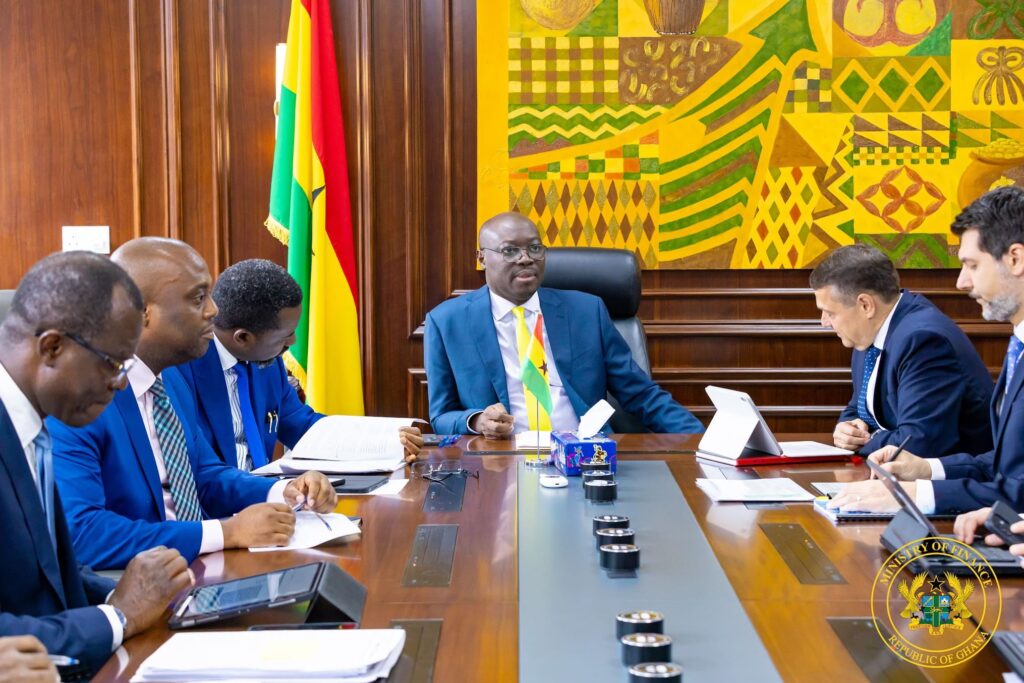
Government officials have repeatedly pointed to improved fiscal balances, stronger reserves, and exchange rate stability as evidence that the economy is turning a corner. Ghana’s Ministry of Finance says economic growth reached about 6 percent in 2025, while debt ratios and inflation pressures showed notable improvement.
These gains have helped rebuild confidence among businesses, investors, and development partners. But economic analysts caution that stabilisation is not the same as transformation.
Debt Still Casts a Long Shadow
One of Ghana’s biggest vulnerabilities remains its debt profile.
Although debt restructuring efforts have provided temporary breathing space, the country continues to carry significant debt service obligations. Analysts say the current debt improvements must not create a false sense of security.
The bigger challenge lies in ensuring that Ghana does not return to the borrowing patterns that pushed the economy into distress just a few years ago.
Fiscal experts argue that once external programme support begins to fade, maintaining discipline becomes even more difficult. Historical patterns show that fiscal slippages often emerge after reform programmes end.
Independent market analysts have already warned that 2026 could become a defining test of Ghana’s fiscal credibility as external oversight begins to reduce.
For investors, debt sustainability remains one of the most important indicators of long-term confidence.

Revenue Mobilisation Remains Weak
Another structural concern is Ghana’s limited ability to generate domestic revenue.
Despite multiple tax reforms, government revenue mobilisation still struggles to match the country’s expenditure demands. This creates a persistent financing gap that forces policymakers to rely heavily on borrowing or expenditure cuts.
Economists argue that Ghana’s tax base remains narrow, with large segments of the informal economy operating outside the formal tax net.
Without broadening tax compliance, digitising collections, and improving efficiency within revenue agencies, the government may find it difficult to sustain development spending while maintaining fiscal consolidation.
This is especially important as the country seeks to invest in infrastructure, education, healthcare, and industrial expansion without undermining budget stability.
State-Owned Enterprises Remain a Fiscal Risk
A less discussed but equally serious challenge lies in the performance of state-owned enterprises.
Several state institutions continue to record operational inefficiencies, financial losses, and governance challenges that place additional pressure on public finances.
The energy sector in particular remains a source of fiscal concern due to arrears, subsidy pressures, and payment inefficiencies.
Economic experts argue that unless state enterprises become commercially viable and better governed, they will continue to drain public resources that could otherwise support productive sectors.
The International Monetary Fund has also identified state enterprise reform as a key pillar for sustaining Ghana’s recovery momentum.
Currency Stability May Still Be Tested
The recent appreciation and stability of the Ghana cedi has been one of the strongest signals of economic improvement. However, foreign exchange analysts say the currency remains vulnerable to external shocks.
Ghana’s dependence on gold, cocoa, and oil exports means global commodity price fluctuations can quickly affect foreign exchange inflows. A sharp drop in commodity prices, rising global interest rates, or geopolitical tensions could reverse current gains and place renewed pressure on the currency.
For import-dependent businesses, exchange rate stability remains essential for planning, pricing, and profitability. This makes reserve accumulation and prudent foreign exchange management critical over the medium term.

Growth Must Become More Inclusive
Another concern among economists is whether Ghana’s recovery is being felt at the household and business level. Headline growth figures often fail to capture the pressures facing consumers, small businesses, and workers.
While inflation may be falling nationally, many households continue to face rising transport, housing, education, and utility costs. The private sector, particularly small and medium enterprises, continues to struggle with high financing costs, inconsistent demand, and operational uncertainties.
Economic growth that does not translate into job creation, income growth, and improved productivity may eventually lose public support. For policymakers, the next phase of reform must focus not only on macroeconomic numbers but also on broad-based economic inclusion.
The Real Test Begins Now
Ghana’s recovery story is real. The country has made measurable progress in restoring stability after a difficult period. But experts insist that macroeconomic recovery alone is not enough.
The real challenge now is whether Ghana can convert short-term stabilisation into long-term economic transformation. That means stronger institutions, better fiscal discipline, efficient state enterprises, broader revenue mobilisation, and strategic investments that expand productive sectors.
The current gains are encouraging, but they are not yet permanent. For Ghana, the next chapter will determine whether this recovery becomes a sustainable economic turnaround or another temporary rebound in a familiar cycle.
READ ALSO: Relief for Borrowers As Ghana Loan Rates Set to Fall