Ghana has achieved a significant economic milestone. For the first time since 2013, the country has moved from a high risk of debt distress to a moderate risk rating according to the latest Debt Sustainability Analysis.
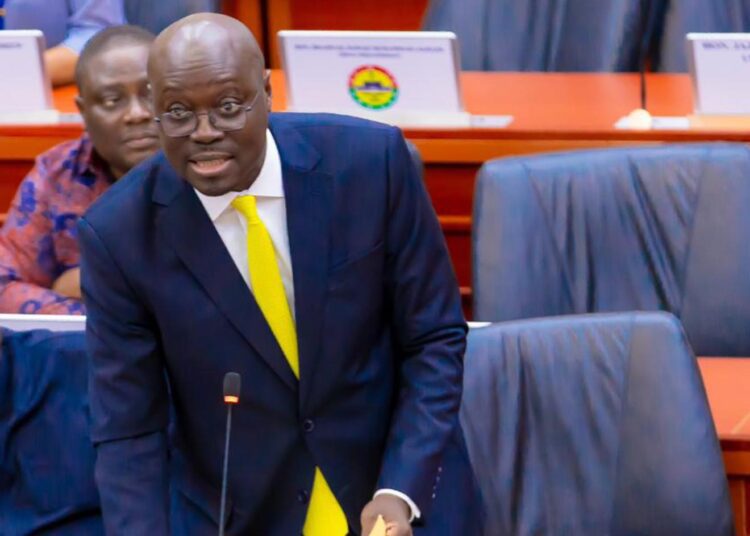
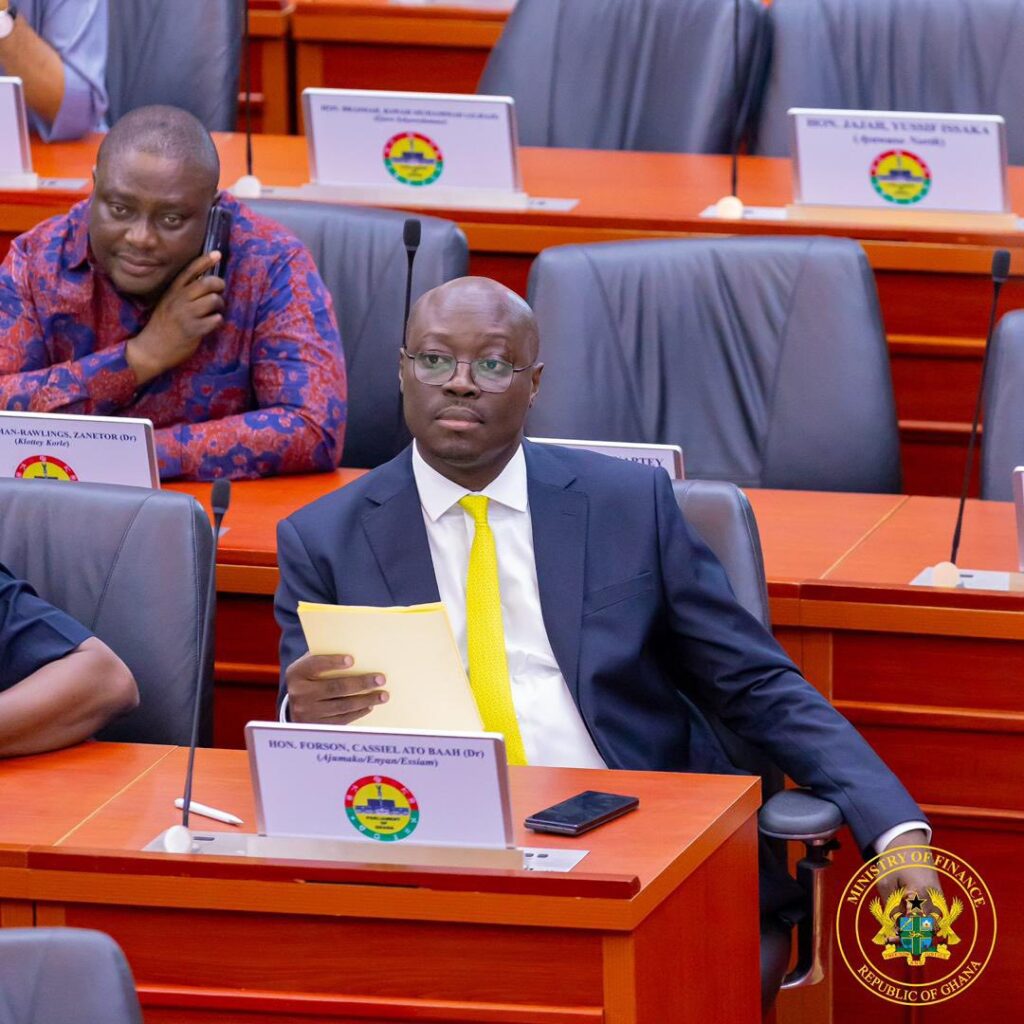
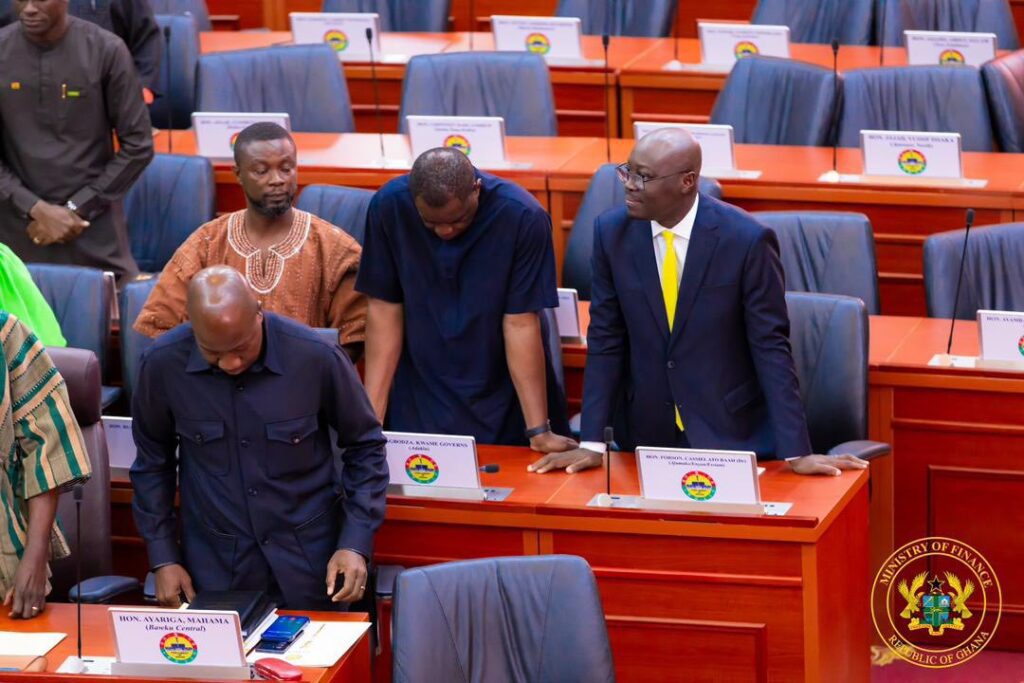
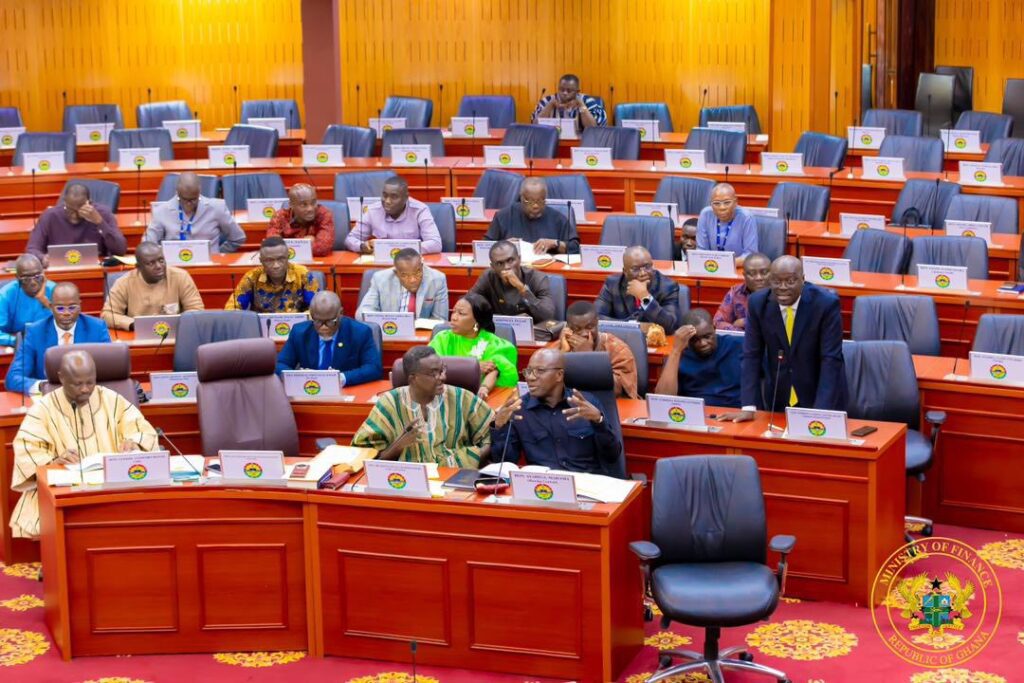
Finance Minister Dr Cassiel Ato Forson announced this breakthrough in Parliament while presenting the annual public debt report. This development signals a major shift after years of unsustainable debt levels that strained public finances and limited growth prospects.
The announcement comes amid ongoing recovery efforts following a difficult period that included debt default risks, inflation spikes, and an IMF-supported program. This positive reassessment could unlock better borrowing terms, restore investor confidence, and create fiscal space for critical investments in infrastructure, health, and education.
The Road to High Debt Distress
Ghana’s debt challenges intensified in recent years. Public debt surged due to a combination of external shocks and domestic pressures. The COVID-19 pandemic triggered massive spending on health and economic support. Global commodity price volatility, currency depreciation, and energy sector liabilities added further strain. By the early 2020s, debt-to-GDP ratios climbed sharply, pushing the country into high risk of debt distress.
In 2022, Ghana faced one of its toughest economic tests. It entered debt restructuring negotiations under the G20 Common Framework. Domestic debt exchanges and Eurobond restructurings followed. These measures were painful but necessary. Interest payments consumed a large portion of government revenue, crowding out productive spending. Inflation peaked above 40 percent at one point, eroding living standards and business confidence.
Successive governments grappled with these issues. Weak revenue mobilization, high fiscal deficits, and contingent liabilities from state-owned enterprises worsened the situation. International rating agencies downgraded Ghana, raising borrowing costs and limiting market access. The debt trap appeared deep and persistent.
Key Reforms Driving the Turnaround
The shift to moderate risk reflects determined policy actions. Fiscal consolidation formed the cornerstone. The government narrowed the budget deficit through spending discipline and revenue-enhancing measures. Primary balance improvements helped stabilize debt dynamics.
Debt restructuring delivered substantial relief. Completion of domestic debt operations in 2023 and external creditor agreements in 2024-2025 reduced the net present value of obligations. These steps aligned with IMF program targets aimed at restoring sustainability. By bringing key debt ratios closer to safe thresholds, Ghana created breathing room.
Improved macroeconomic management also played a vital role. Inflation has moderated, supported by tighter monetary policy from the Bank of Ghana. The cedi showed relative stability in recent periods. Stronger gold and oil exports bolstered foreign reserves and the current account. These factors enhanced overall debt servicing capacity.
Revenue reforms strengthened the fiscal position. Efforts to broaden the tax base, improve compliance, and reduce leakages yielded results. Public financial management enhancements, including better commitment controls, minimized unplanned expenditures. Such measures build credibility with investors and development partners.
Implications for the Economy and Citizens
This debt risk downgrade carries wide-ranging benefits. Moderate risk status improves Ghana’s standing in international markets. It may facilitate cheaper and longer-term financing. Lower risk perceptions could attract foreign direct investment, crucial for job creation and technology transfer.
For ordinary Ghanaians, the benefits may emerge gradually. Reduced debt service burdens free up resources for social programs. Investments in roads, schools, hospitals, and agriculture can accelerate. Lower financing costs for the government could ease pressure on domestic interest rates, benefiting private sector borrowers.However, challenges remain.
Debt levels, while improving, still require vigilant management. Energy sector debts and other contingent liabilities pose risks. Sustained fiscal discipline is essential to prevent reversal. External vulnerabilities such as commodity price swings and climate impacts demand robust buffers.Economic growth stands to gain.
Projections suggest steady expansion supported by services, mining, and agriculture. With debt sustainability on a firmer footing, policymakers can focus more on structural reforms. These include diversifying the economy, enhancing productivity, and building resilience.
Future Outlook and Policy Priorities
Ghana must consolidate these gains. The 2026 budget emphasizes continued prudence alongside targeted investments. Maintaining primary surpluses and revenue growth will be critical to keeping debt indicators on a downward path. Full implementation of the enhanced fiscal responsibility framework can institutionalize discipline.
Diversification remains key. Over-reliance on cocoa, gold, and oil exposes the economy to shocks. Developing manufacturing, digital services, and agro-processing can create more stable revenue streams. Human capital development through education and skills training will support long-term competitiveness. International partnerships will continue to matter.
Collaboration with the IMF, World Bank, and bilateral donors can provide technical support and concessional financing. Transparent debt management practices will sustain confidence.
Risks persist. Global interest rate movements, geopolitical tensions, and climate events could test resilience. Domestic political cycles may pressure spending. Strong institutions and evidence-based policymaking will help navigate these uncertainties.
A Foundation for Sustainable Growth
Ghana’s escape from the debt trap after 12 years marks a proud achievement. The move to moderate risk of debt distress validates years of difficult reforms and tough choices. Finance Minister Dr Cassiel Ato Forson rightly highlighted this as a historic moment.
This success does not guarantee perpetual stability. It provides a stronger platform for inclusive growth. By maintaining fiscal responsibility, pursuing structural transformation, and prioritizing citizen welfare, Ghana can translate this milestone into lasting prosperity.
The coming years will test the country’s commitment to sound economic governance. With continued vigilance, the moderate risk rating could evolve into low risk, ushering in a new era of economic confidence.
READ ALSO: FSC Tightens Grip on Ghana’s Financial Risks