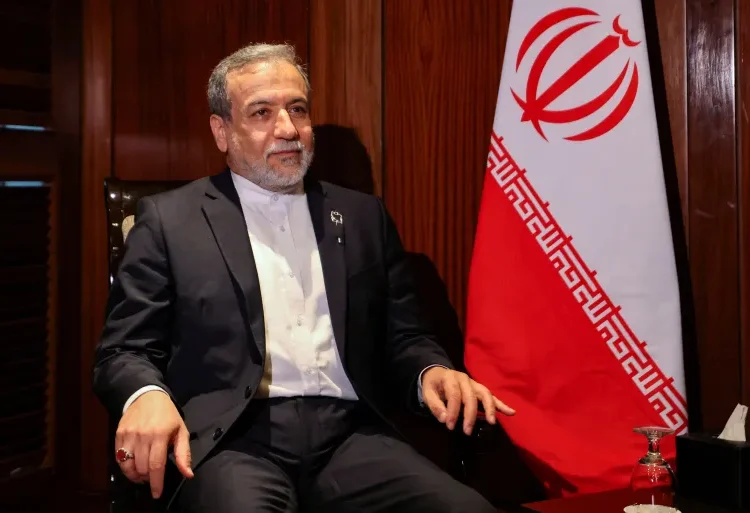
Iranian Foreign Minister, Abbas Araghchi has called the “contradictory and excessive behaviours” of the U.S a serious obstacle to diplomacy.
Speaking during a meeting with Pakistani Interior Minister Mohsin Naqvi, Araghchi cited past breaches of promises as reasons for Iran’s deep suspicion of the US establishment, adding that Tehran’s entry into diplomatic talks to end the conflict stems strictly from a “responsible outlook.”
Naqvi expressed hope that Pakistan could help play a role in restoring peace and stability to the region.
Pakistan is scrambling to keep channels of diplomacy open between the United States and Iran, amid escalating rhetoric from both sides, and growing signals from Washington that it is prepared to restart attacks that have been on pause since an April 8 ceasefire in the US-Israel war on Iran.
Pakistan’s Interior Minister Mohsin Naqvi arrived in Tehran on Saturday for a two-day visit, meeting President Masoud Pezeshkian, Interior Minister Eskandar Momeni and Parliament Speaker Mohammad Bagher Ghalibaf as Islamabad scrambled to prevent ceasefire negotiations from collapsing altogether. Ghalibaf has also been Iran’s Chief Negotiator in peace talks with the US to end the war, which began on February 28.

At his weekly press conference on Monday, Iranian Foreign Ministry Spokesman Esmaeil Baghaei said that despite Trump publicly calling Iran’s response “totally unacceptable” last week, Washington had sent “a set of revised points and considerations” through Pakistani mediators.
Iran had reviewed them and responded through the same channel. “The process is continuing through Pakistan,” Baghaei said. Later, Iran’s state-run Tasnim news agency said that Iran’s submission to Pakistan, to be transmitted to the US, included a 14-point proposal. Yet tensions have continued to mount.
Baghaei maintains that the US demands are unrealistic and that the significant obstacles between the two countries must be overcome. Iran is saying the U.S has asked it to give up on nuclear enrichment, which Iran says it won’t.
Iran also said it didn’t receive a full guarantee that the war would end, which is one of its conditions. Iran also wants the US to accept its sovereignty over the Strait of Hormuz, which the Americans refuse to do.
The Iranians say they are continuing to demonstrate some flexibility in these negotiations. However, Iran’s President Masoud Pezeshkian said yesterday that his government would protect his country’s interests, no matter what.

“Dialogue does not mean surrender. The Islamic Republic of Iran enters into dialogue with dignity, authority, and protection of the rights of the nation, and will not retreat from the legal rights of the people and the country in any way.”
Masoud Pezeshkian
Meanwhile, Iran’s top joint military command centre said that if the enemy makes another mistake, Iran will confront it with its full capabilities and power. In short, Iran is saying that it’s open to diplomacy, but also actively preparing for war.
The developments underscored how far diplomacy has deteriorated since the ceasefire came into effect 40 days ago. Both sides have exchanged proposals, rejected each other’s core demands, and increasingly shifted to the language of military escalation, with renewed hostilities now a real possibility, according to Analysts.
Trump Holds Off Attack On Iran
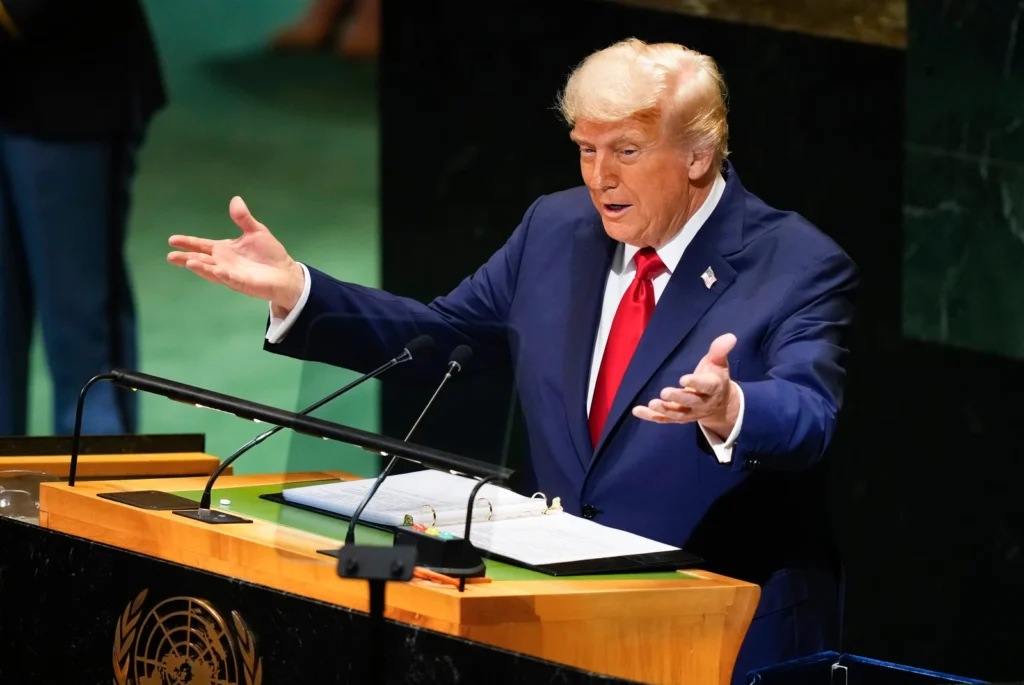
In another development, U.S President Donald Trump said that he is holding off a military attack on Iran planned for Tuesday at the request of Gulf states as “serious negotiations are now taking place.”
In a post on Truth Social, he said that he had been asked to do so by the leaders of Qatar, Saudi Arabia and the United Arab Emirates.
He said he had been informed a deal would be made that is “very acceptable” to the US, adding that there would be “NO NUCLEAR WEAPONS FOR IRAN!”
However, he warned that the US would be ready to “go forward with a full, large scale assault of Iran, on a moment’s notice” if there was no acceptable deal.
Talking to reporters later, Trump called it “a very positive development, but we’ll see whether or not it amounts to anything.”
“We’ve had periods of time where we had, we thought, pretty much getting close to making a deal, and it didn’t work out. But this is a little bit different.”
Donald Trump
Trump said that there seemed to be “a very good chance” of an agreement with Iran, adding, “If we can do that without bombing the hell out of them, I would be very happy.”
A ceasefire agreed in April meant to facilitate talks has largely been observed despite occasional exchanges of fire. Iran has also continued to control the Strait of Hormuz, effectively closing the vital waterway through which around 20% of the world’s oil and liquefied natural gas travels.
The move, which Iran has said is in retaliation for US and Israeli attacks, has sent oil prices soaring globally. The US, for its part, has been enforcing a blockade of Iranian ports to exert pressure on Tehran to agree to its terms.
READ ALSO: Drone Strike Targets UAE’s Sole Nuclear Power Plant