The Finance And Sector Committee Spokesperson for NPP, Dr. Frank Bannor has rejected claims that the New Patriotic Party deliberately collapsed GN Bank but insisted that the revocation process was carried out independently by the Bank of Ghana.
He explained that the financial regulator acted within its legal mandate after identifying regulatory breaches and operational difficulties linked to the institution.
“The NPP government did not collapse the GN Bank. It was the Bank of Ghana that revoked the licences of GN Savings and Loans because the institution faced a plethora of challenges. The regulator acted within the laws governing the financial sector.”
Dr. Frank Bannor
According to him, the widespread suggestion that the government directly shut down the bank continues to create a misleading impression about the banking sector clean up exercise. Dr Bannor argued that the Central Bank operated independently and therefore government officials could not interfere in the regulatory decisions taken at the time.
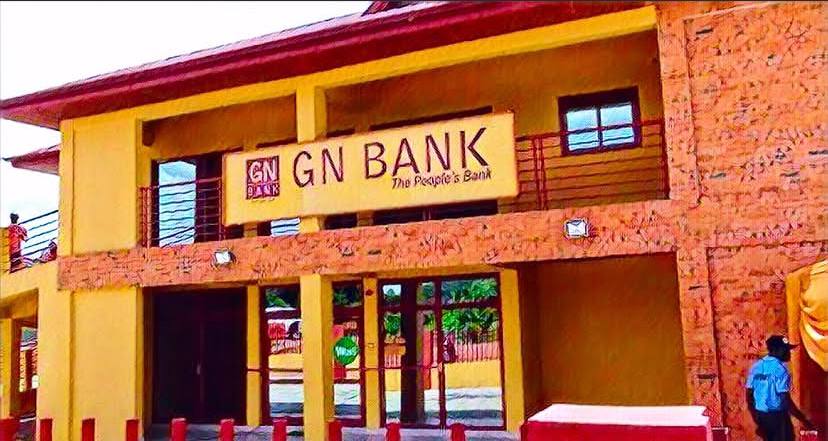
From his view, the banking sector reforms affected several institutions and GN Savings and Loans formed part of the entities cited for violations under the Banks and Specialised Deposit Taking Institutions Act. The Counsel indicated that the regulator found about 23 institutions culpable during the financial sector reforms and therefore the action against GN Savings and Loans did not stand in isolation.
Dr Bannor further stated that the financial records available during the period exposed serious solvency and liquidity concerns within the institution. He pointed out that the capital adequacy ratio reportedly stood at negative 61.2 percent despite the Bank of Ghana’s required minimum threshold of 13 percent.
Focusing his argument on the operational structure of the institution, the NPP spokesperson asserted that deposits mobilised by the bank were channelled into related companies that later struggled to honour obligations. According to him, those developments contributed significantly to liquidity pressures that weakened the institution’s financial standing.

The NPP Finance Sector Spokeperson also raised concerns about the impact of political commentary on Ghana’s international financial image. He explained that confidence remains central to banking operations and therefore public discourse surrounding regulatory decisions must be approached carefully.
According to him, countries that fail to protect the credibility of independent regulators risk creating uncertainty within the international financial community. Dr Bannor stressed that Ghana’s financial system should continue to demonstrate respect for lawful institutional processes in order to maintain investor confidence.
He further questioned whether campaign promises should influence decisions involving independent state institutions. From his perspective, citizens must critically examine the implications of allowing political considerations to shape sensitive regulatory matters within the financial sector.
Financial Sector Confidence Faces Crucial National Test
Dr Bannor argued that preserving the sanctity of independent financial regulators remains essential for sustaining investor trust and economic stability.
According to him, public confidence in the banking sector depends heavily on the perception that laws are applied fairly and consistently. He explained that uncertainty surrounding regulatory independence could limit Ghana’s attractiveness to foreign investors at a period when the country seeks economic recovery after exiting an International Monetary Fund programme.
From his view, the independence of the Bank of Ghana must remain protected from political influence because the credibility of the entire financial system rests on that principle. He further warned that attempts to create the impression that campaign assurances could override institutional processes may damage confidence within the banking industry.

“So if that is going to be the case, then the sanctity and confidence the international community holds dear about Ghana’s financial architecture would be violated. It becomes a serious test for the country and the future of our economy.”
Dr. Frank Bannor
Dr Bannor further stated that Ghana faces an important moment in defining the kind of political and economic system it seeks to build. According to him, decisions taken around financial regulation must strengthen national confidence and encourage long term investment within the banking sector.
The NPP spokesperson nevertheless insisted that public debate on the matter should focus on protecting institutional integrity and ensuring confidence in Ghana’s financial governance system. He added that the country’s future economic credibility would depend largely on how independent institutions are respected and protected within the democratic framework.
Concluding his remarks, Dr Bannor urged Ghanaians to carefully assess the wider implications of political interventions within the financial sector. He explained that maintaining strong and trusted institutions remains critical for economic growth, investor confidence and the stability of Ghana’s banking environment.
READ ALSO: Counsel Signals Major Steps Toward GN Bank’s Return After Court Victory