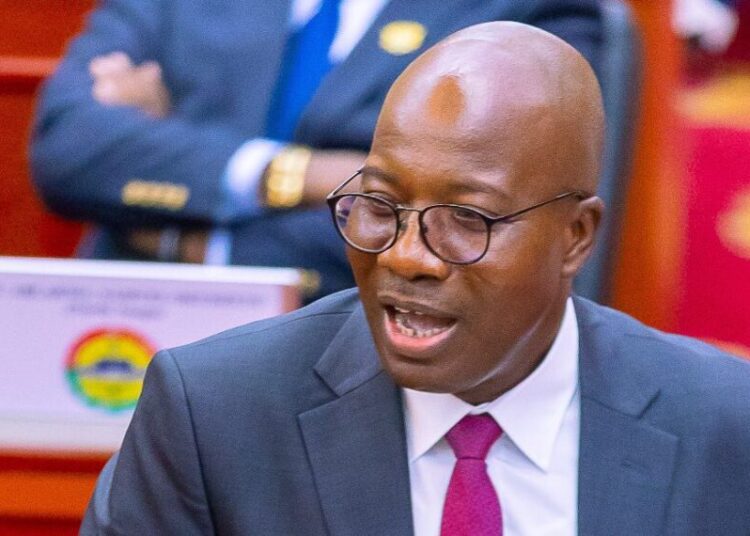
Ghana’s Parliament resumed sitting on Thursday, May 21, 2026, marking the start of the Second Meeting of the Second Session of the Ninth Parliament of the Fourth Republic, with the Majority Leader using his address to highlight what he described as a major economic turnaround under President John Dramani Mahama’s administration.
The Majority Leader and Member of Parliament for Bawku Central, Hon. Mahama Ayariga, told the House that despite national challenges, Ghana continues to demonstrate resilience in governance and democratic consolidation as lawmakers return from recess.
He added that Ghana’s democratic institutions remain functional and increasingly stable, even as they continue to face structural and economic pressures. “Our democracy remains resilient and is growing stronger with the passage of each day,” he stated.
Recognition of Parliamentary Leadership and Recess Work
Hon. Mahama Ayariga commended the leadership of Parliament, including the Speaker and his deputies, for what he described as dedication and patriotism in the service of the nation.

He also acknowledged Members of Parliament for maintaining active legislative and constituency engagements during the recess period, noting that parliamentary work did not pause despite the adjournment of sittings.
“Though we were on recess, you were never on vacation,” he told colleagues on the floor of the House. He referenced MPs’ participation in committee work, constituency outreach, and international assignments, including engagements at ECOWAS and the Pan-African Parliament.
He further congratulated colleagues who secured leadership positions at the Pan-African Parliament during the recess, describing it as a reflection of Ghana’s growing influence in continental governance structures.
Civil Society Assessment Cited in Economic Claims
A major highlight of the Majority Leader’s statement was his reference to an assessment attributed to Franklin Cudjoe of IMANI Africa, which he cited as evidence of Ghana’s improved economic performance.
According to the quotation read in Parliament, the assessment described what it called the “fastest economic recovery in Ghana’s history” under the Mahama-led administration.
It referenced improvements in key macroeconomic indicators, including a rapid decline in inflation, stabilization of the cedi, rebuilding of international reserves, and a reduction in debt levels from 65 percent to 45 percent of GDP within one year.
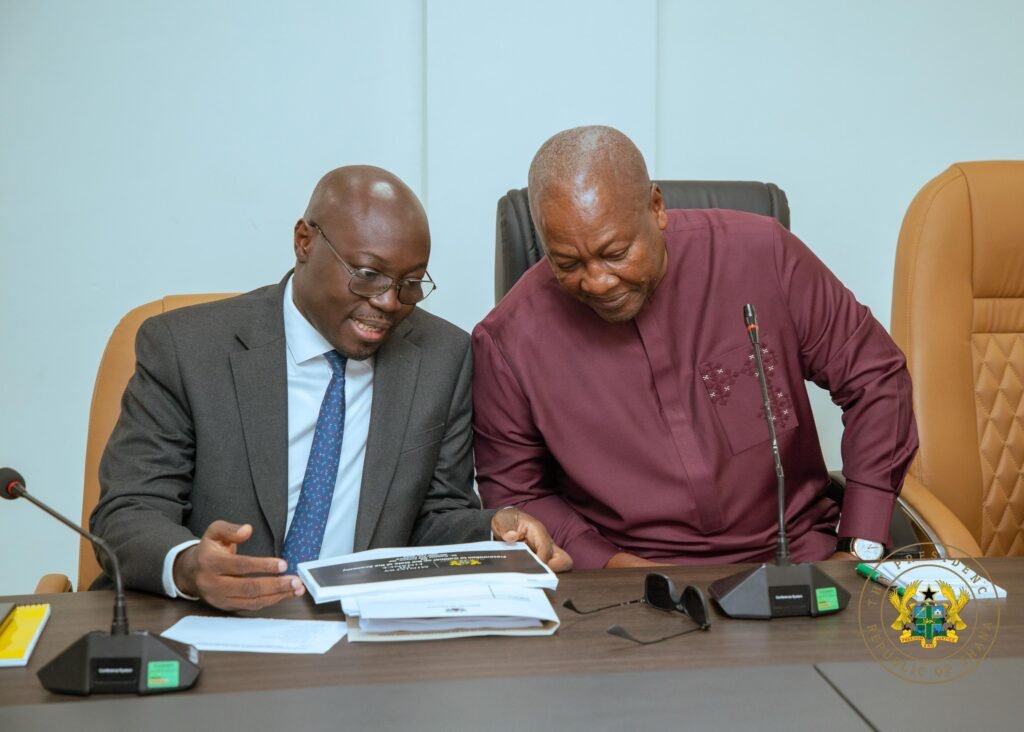
The assessment also referenced Ghana’s exit from an International Monetary Fund programme and described policy coordination efforts led by the Finance Ministry under Dr Cassiel Ato Forson.
The Majority Leader emphasized that the comments reflected a civil society evaluation rather than partisan self-praise. “This is a civil society verdict on this government, not NDC praising itself,” he noted.
He further argued that the economic stability being recorded was the result of policy discipline and reforms implemented after a difficult economic period.
Parliament’s Role in Economic Recovery
Mahama Ayariga stressed that Parliament played a central role in shaping the policies that contributed to the reported economic turnaround. He noted that lawmakers approved key legislative instruments and appropriations that enabled government policy implementation during the recovery period.
He specifically referenced the passage of the Ghana Gold Board Bill, which he said was approved after extended sittings. “I recall that we passed the Ghana Gold Board Bill at 3am in the morning after sitting through the previous day,” he said.
He added that Parliament would continue to be called upon to support government efforts aimed at sustaining macroeconomic stability and ensuring Ghana does not quickly return to international financial assistance programmes.
According to him, legislative oversight and approval processes remain essential to maintaining fiscal discipline and protecting economic gains. The Majority Leader urged parliamentary committees to intensify oversight of public institutions to ensure continued discipline and effective policy execution.

He stressed that agencies under parliamentary supervision must be closely monitored to maintain accountability and support national development objectives.
“This is what Ghanaians expect of their Parliament,” he stated. He further indicated that the House must remain committed to ensuring that economic and governance reforms are properly implemented across all sectors.
Commitment to Sustaining Economic Gains
Hon. Mahama Ayariga concluded by emphasizing the importance of sustaining Ghana’s current economic direction and avoiding a return to past fiscal challenges.
He noted that Parliament would continue to play a key role in supporting government policy coordination, particularly in engagement with international financial institutions.
He also pointed to continued international recognition of Ghana’s democratic and governance progress as a positive signal for investors and development partners. “The international community has continued to applaud the Ghanaian people for our strides in democratic governance,” he said.
As Parliament begins its new session, lawmakers are expected to engage with a packed legislative agenda spanning economic management, energy reforms, security, and institutional strengthening, with a strong focus on consolidating recent macroeconomic gains.
READ ALSO: Dr. Asiama Pushes for Borderless African Financial Markets