Ghana’s economy has turned a significant corner. The once relentless depreciation of the Ghanaian cedi, which plagued households and businesses for years, appears to have given way to a period of relative calm and resilience.
This shift stems from comprehensive economic reforms that have restored macroeconomic fundamentals and rebuilt investor confidence. While short-term pressures like what is currently happening occasionally test the currency, the broader trajectory points to sustained stability supported by prudent policies.
For much of the early 2020s, Ghana faced severe economic headwinds. High inflation, elevated debt levels, and external shocks drove sharp cedi depreciations that eroded purchasing power and fueled uncertainty. Businesses struggled with imported input costs, while citizens grappled with rising prices for essentials. The cedi’s volatility became a symbol of deeper structural challenges, including fiscal imbalances and over-reliance on external financing.
The turning point came through decisive interventions. Ghana entered an International Monetary Fund-supported program that emphasized fiscal discipline, debt restructuring, and monetary tightening. These measures, combined with domestic initiatives, helped break the cycle of crisis. By 2025, the cedi recorded remarkable appreciation, emerging as one of Africa’s best-performing currencies with gains exceeding 40 percent against the US dollar in some periods. This performance marked a historic reversal and laid the foundation for the current stability narrative.
Key Reforms Driving Cedi Stability
Central to the improved outlook are targeted reforms implemented by the government and the Bank of Ghana. Fiscal consolidation stands out as a cornerstone. Authorities achieved primary surpluses through expenditure rationalization, improved revenue mobilization, and the elimination of inefficient subsidies. These steps reduced the need for deficit monetization, easing pressure on the currency.
Monetary policy has also played a pivotal role. The Bank of Ghana maintained a tight stance initially before shifting cautiously to easing as inflation declined. Inflation fell to single digits and reached lows around 3 percent in early 2026, well within or near target bands. Lower inflation helped anchor expectations and supported cedi resilience.
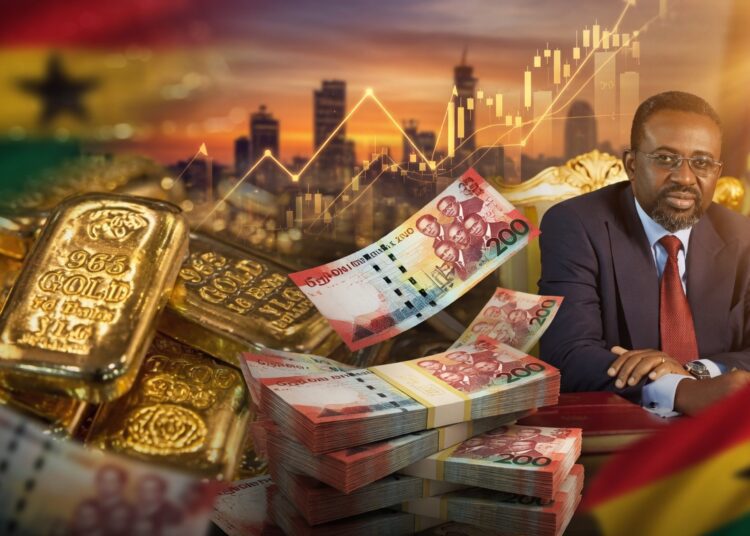
The Domestic Gold Purchase Programme has strengthened external buffers significantly. By channeling gold exports into official reserves, the program boosted foreign exchange availability and reduced vulnerability to commodity price swings. International reserves now cover several months of imports, providing a robust cushion against external shocks. This initiative, alongside broader export promotion, contributed to trade surpluses and positive current account dynamics.

Structural reforms in energy, agriculture, and investment climate further bolster confidence. Investments in cocoa value chains, reliable power supply, and business-friendly policies have spurred growth, with GDP expanding around 5-6 percent in recent periods. These gains translate into stronger domestic production, lower import dependence, and enhanced economic resilience.
Current Stability and Short-Term Dynamics
As of May 2026, the cedi demonstrates notable stability compared to previous years. Year-to-date depreciation stands at around 8.4 percent against the dollar, a moderated pace that reflects normalization rather than crisis. This movement aligns with seasonal factors such as import demand and remains well below historical averages. The currency has absorbed pressures without the dramatic slides seen in prior crash eras.
Foreign exchange market interventions by the Bank of Ghana have helped smooth volatility. Planned injections of up to one billion dollars in early 2026, for instance, supported orderly adjustments following the strong 2025 gains. Analysts project modest depreciation in the range of single digits for the year, underpinned by continued policy prudence.
Inflation trends reinforce this stability. With headline rates dropping sharply due to the stronger cedi and fiscal measures, real incomes are stabilizing. Interest rates have also declined from previous highs, easing borrowing costs for businesses and households. Credit growth and economic activity indicators point to a recovering economy operating closer to potential.
Challenges and Risks on the Horizon
No economic recovery is without hurdles. Renewed pressures on the cedi, driven by global commodity fluctuations, seasonal dollar demand, or external events like oil price spikes, require vigilant management. Ghana’s openness to trade makes it sensitive to international developments, including geopolitical tensions affecting shipping routes.
Domestic factors such as election-related spending or implementation gaps in reforms could test gains. Sustaining fiscal discipline remains essential to prevent a return to high deficits. Additionally, deepening the foreign exchange market and reducing over-reliance on central bank interventions will support more market-driven stability over time.
In the intervening time, Ghana’s strategy focuses on consolidating achievements. Medium-term targets include GDP growth around 5 percent, inflation within the 8 plus or minus 2 percent band, and reserves covering at least three months of imports. Continued implementation of revenue strategies, value-for-money spending, and sector-specific reforms in agriculture and energy will be critical.
Investor sentiment has improved markedly, as evidenced by credit rating upgrades and renewed interest in Ghanaian assets. Maintaining policy predictability will attract more foreign direct investment, further strengthening reserves and the cedi. The interplay between fiscal responsibility, monetary prudence, and structural transformation offers a credible path to enduring stability.
For ordinary Ghanaians, the benefits are tangible: steadier prices, more predictable business conditions, and gradual improvement in living standards. The end of the cedi crash era does not mean the absence of all challenges, but it signals that Ghana now possesses stronger tools and institutions to manage them effectively.
A New Chapter of Economic Confidence
The narrative of Ghana’s economy has shifted from one of recurrent crises to one of cautious optimism. Strong reforms have delivered cedi stability, lower inflation, and renewed growth momentum.
While short-term pressures persist, they occur within a fundamentally healthier framework. By staying the course on fiscal and monetary discipline, leveraging gold and export strengths, and advancing structural changes, Ghana can lock in these gains and build a more resilient future.
The cedi’s journey reflects broader progress: a nation learning from past difficulties and committing to policies that prioritize long-term stability over short-term expediency. This foundation positions Ghana well to navigate global uncertainties and deliver shared prosperity for its citizens.
READ ALSO: Dr. Asiama Pushes for Borderless African Financial Markets