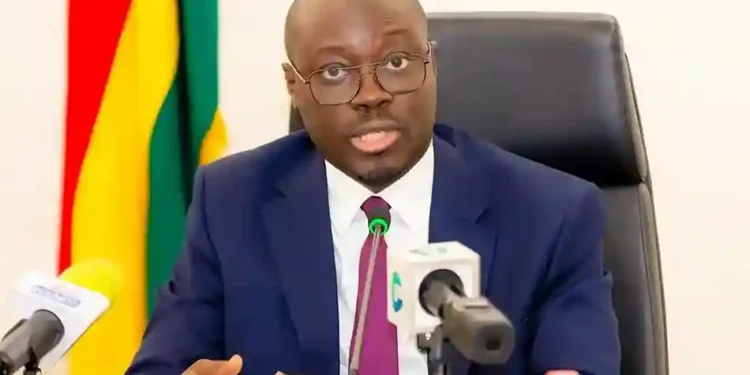
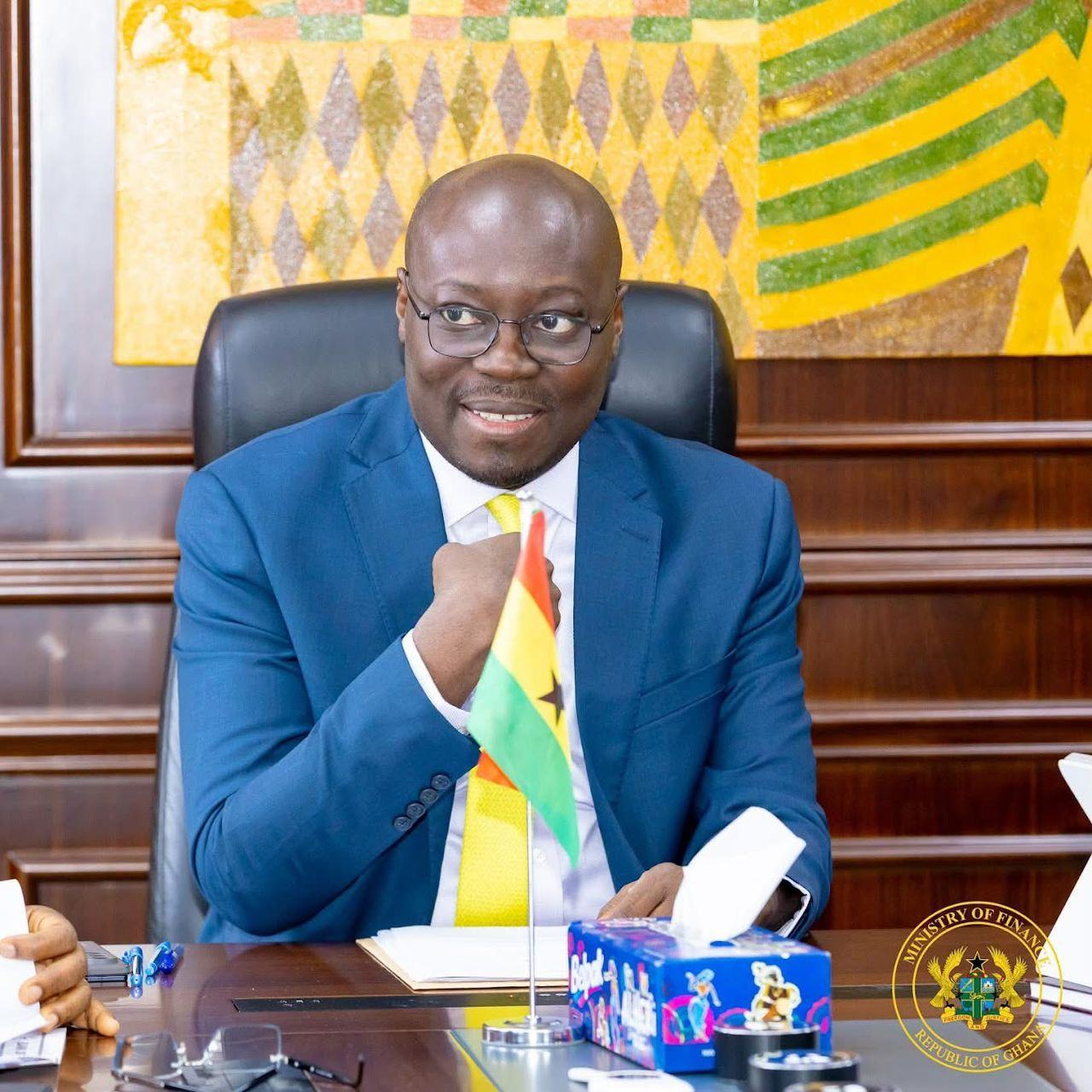
Finance Minister Ato Forson has announced that Ghana has successfully concluded the stability phase of its International Monetary Fund Extended Credit Facility programme.
At a high-level joint press conference with the IMF Mission Team, the Minister painted an optimistic picture of the country’s economic journey, signaling a major shift from crisis management to long-term growth.
According to the Minister, the government has achieved what many thought was difficult only a few years ago. The economy has stabilized, and international validation has come from the IMF itself. This marks the end of a tough period that began with the economic challenges of 2022.
Chain of Progress: Stability, Resilience, Development
Ato Forson explained the government’s clear roadmap using a three-step framework.
“You build stability, you build resilience, and then you use the resilience to develop. Clearly, the stability is done. We’ve announced it. It’s been confirmed even by the fund. We’ve built some good resilience, and we are building it continuously. It’s now time for us to develop and create jobs, and that is where we are going.”
Ato Forson
This statement has been welcomed by many Ghanaians who have endured high inflation, currency volatility, and difficult fiscal adjustments over the past years. The Minister emphasized that the foundation is now solid enough to support meaningful development that benefits ordinary citizens.
Flagship New Economy Policy on the Horizon
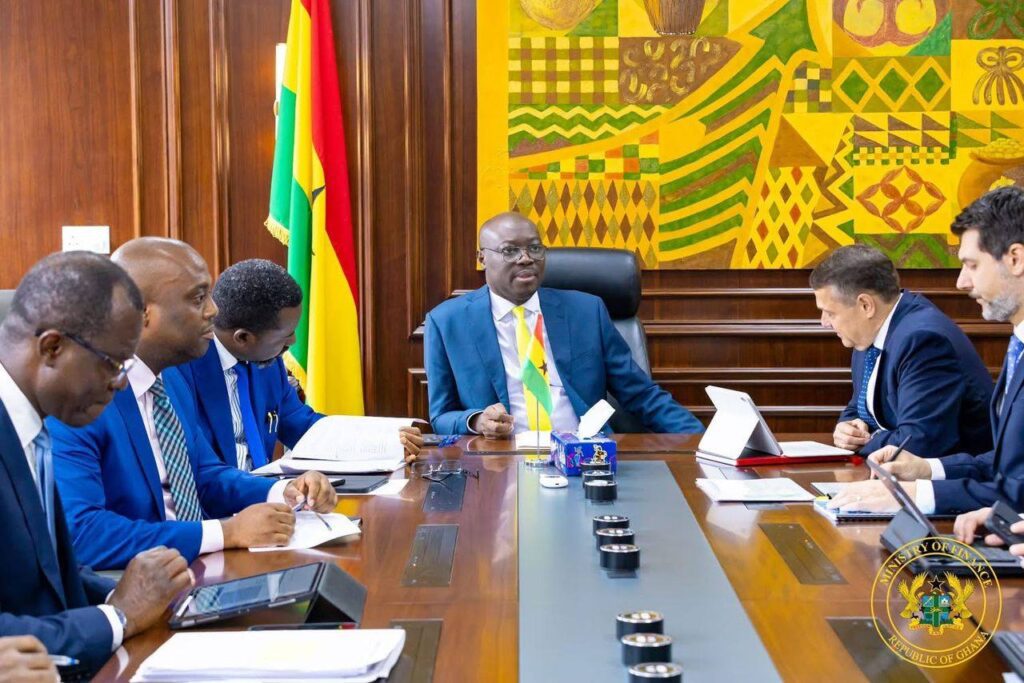
In one of the biggest announcements of the press conference, the Finance Minister revealed that the government will soon launch a major new policy initiative called the New Economy. This flagship programme will focus on targeted areas for development and massive job creation.
The policy is expected to address unemployment challenges, particularly among the youth, and stimulate growth in key sectors of the Ghanaian economy. Details are still under wraps, but the Minister assured citizens that the programme will be people-centered and designed to spread the benefits of economic recovery to the masses.
Firm Position on Fuel Pricing and Subsidies
Addressing widespread speculation about government intervention in the petroleum sector, Ato Forson was categorical. He stated that the government has not introduced any form of subsidy despite global tensions, including the Iran crisis. “First, we have not introduced a subsidy, and so the cost is zero,” he said.
The Minister was joined by the Energy Minister who reinforced this position, bringing clarity to a topic that has generated public debate.
The Minister also responded to questions regarding investors who suffered losses during Ghana’s domestic debt exchange programme. He confirmed that the government has no obligation to provide compensation.
According to him, the agreements signed at the time did not include any such commitment, meaning Ghanaian taxpayers will not bear additional burden on this front.
Strong Commitment to Central Bank Recovery
A significant portion of the Minister’s address focused on the Bank of Ghana’s negative equity position. He acknowledged the challenge but outlined concrete steps to resolve it. The government recently passed amendments to the Bank of Ghana Act that commit to full capitalization by 2032.
Importantly, the new law includes an automatic recapitalization mechanism. “Anytime the central bank falls below its minimum capitalization, the central government automatically capitalizes the central bank in three months,” the Minister explained.
This measure is designed to ensure the central bank’s long-term strength and its ability to control inflation effectively.
He added that both the government and the Bank of Ghana are working closely to return the institution to profitability. Once profits resume, they will help reduce the negative equity while the government provides supplementary support as needed.
Positive Outlook for Ghanaian Economy
The conclusion of the IMF programme is being viewed as a major milestone. With stability achieved, the government is now redirecting its efforts toward creating an economy that works for ordinary Ghanaians.

The upcoming New Economy policy is expected to be the main vehicle for this transformation. Many analysts believe that if successfully implemented, these steps could mark the beginning of a new era of sustained growth, job opportunities, and improved living standards across Ghana.