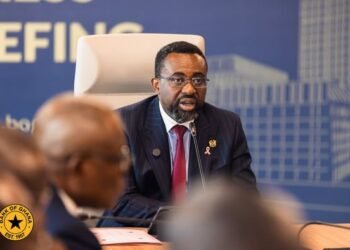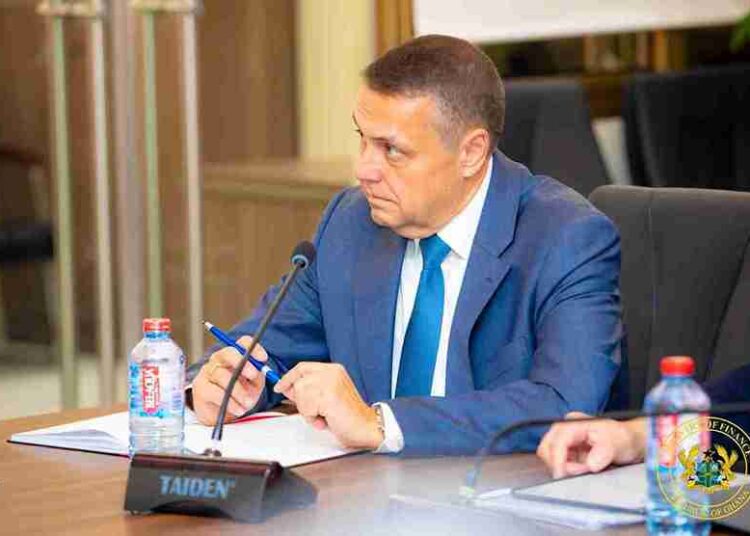
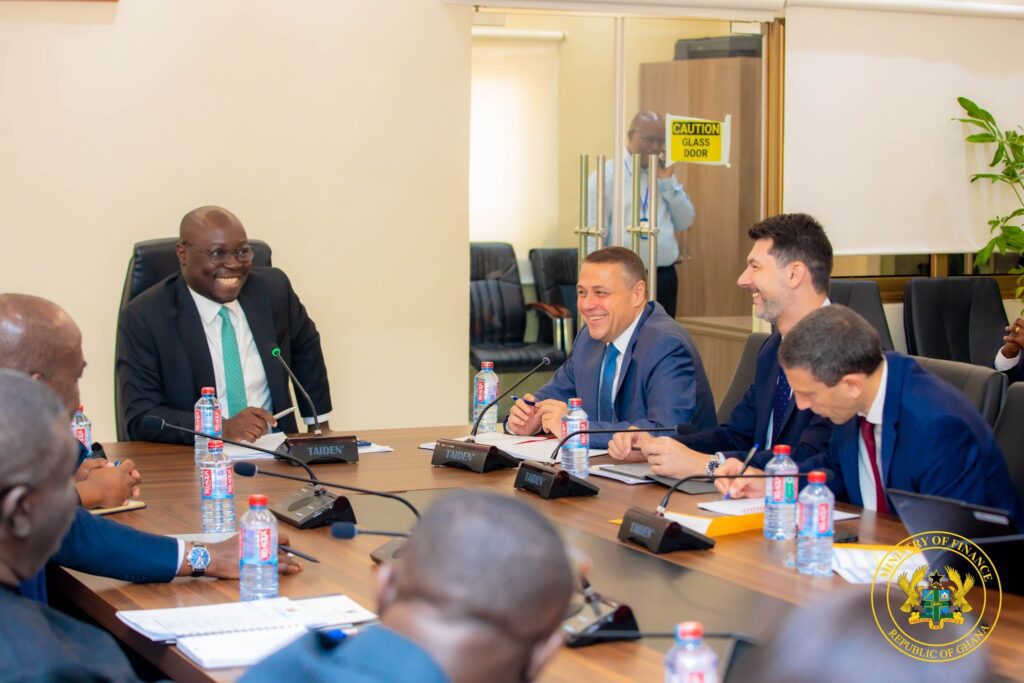
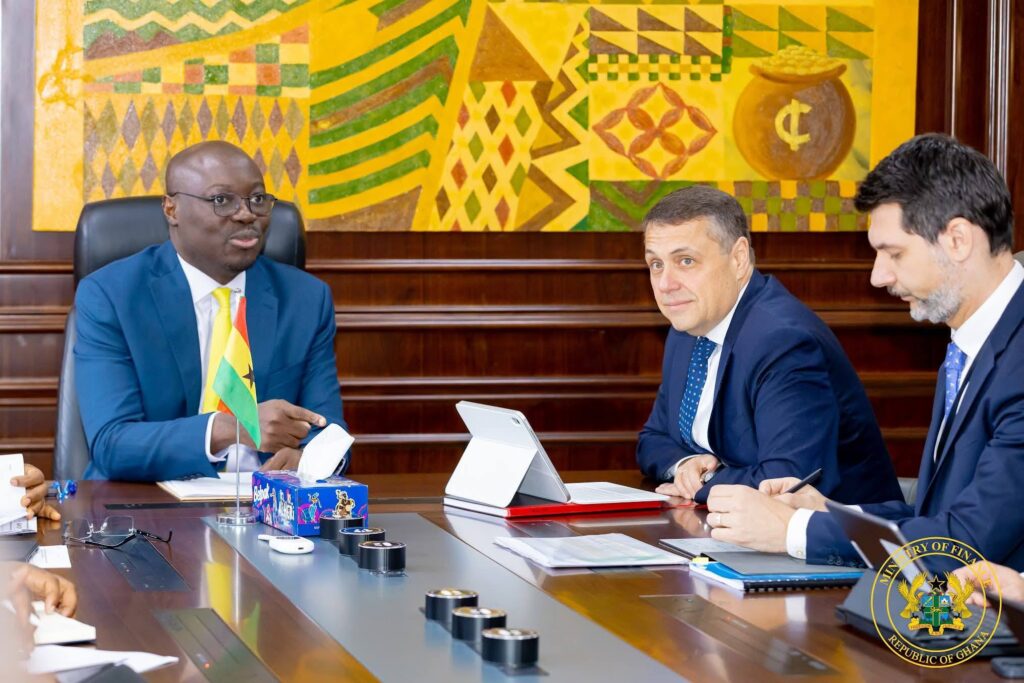
The IMF Mission Chief Dr. Ruben Atoyan has delivered a strong vote of confidence in Ghana’s economic management, declaring that the country has made significant progress since its 2022 crisis.
Speaking alongside Finance Minister Ato Forson, the Chief confirmed the successful completion of the Extended Credit Facility programme and the transition to a new Post-Catastrophe Incidence arrangement.
This development comes as welcome news for a nation that faced severe economic headwinds just a few years ago. The IMF’s assessment suggests that Ghana has turned a corner and is now focused on building stronger foundations for future growth.
Lessons Learned from Traumatic Experience
The Mission Chief did not shy away from acknowledging the difficulties Ghana faced.
“It was very difficult, very traumatic for the Ghanaian people, for the country to go through the crisis of 2022 and the pain has been real and this pain has been internalized and the reform momentum under the ECF demonstrates that the lessons have been learned.”
Dr. Ruben Atoyan
This reflection highlights the human cost of the economic challenges, including inflation spikes, currency depreciation, and reduced living standards. However, the Chief believes these painful experiences have driven genuine reform commitment from Ghanaian authorities.
From Stabilization to Building Resilience
The IMF official made a clear distinction between short-term stabilization and long-term resilience. While the ECF programme successfully stabilized the economy, the new focus under the PCI arrangement is on strengthening domestic institutions to prevent future crises.
Key priorities include preventing the creation of contingent liabilities outside central government control, limiting quasi-fiscal activities, and ensuring state-owned enterprises do not generate fiscal risks. These reforms aim to address historical weaknesses that previously amplified economic shocks in Ghana.
Investor Confidence and Market Access
The Mission Chief revealed strong international interest in Ghana. “In our discussion with international investors, we do see a lot of interest in exposure to Ghana. The good story of Ghana has been noticed,” he said.
He noted that investors are closely watching the country’s progress and asking whether this recovery will be sustainable.
The IMF believes Ghana is now in a position to finance itself more comfortably from domestic markets, with potential for international market re-entry based on continued reform progress. This marks a significant milestone after years of heavy reliance on official financing.
Fiscal Space Created for Growth Initiatives
One of the major outcomes of the faster-than-expected fiscal consolidation is the creation of additional fiscal space. The government and IMF have been discussing how best to utilize this space to support economic growth, employment generation, and strategic investments in priority sectors.
The Chief noted that this represents a remarkable turnaround. Ghana can now shift from austerity measures toward more proactive policies that drive development while maintaining fiscal discipline.
Risks and the Role of Gold Prices
While celebrating progress, the IMF Chief highlighted important risks.
Gold prices have played a crucial supportive role in the recovery, but their volatility remains a concern. Authorities are being advised to build buffers during this period of positive terms of trade to protect the economy from future shocks.
Another key risk area involves activities outside the central government budget, particularly in state-owned enterprises. Managing these risks effectively will be central to the success of the new PCI programme.
Central Bank Position and Policy Solvency
Addressing the Bank of Ghana’s negative equity, the IMF Chief explained that this situation is not unusual for central banks. What matters most is policy solvency, which the Bank of Ghana has maintained according to 2025 financial statements.
He disclosed that the institution is expected to return to profitability, with profits helping to gradually resolve the negative equity position.
The government’s commitment to full capitalization by 2032, supported by automatic mechanisms, provides additional assurance. The IMF has factored significant recapitalization costs into its debt sustainability analysis but remains confident in the overall framework.
Hope for a Stronger Economic Future
The IMF Mission Chief concluded on an optimistic note, emphasizing that with continued prudent policies and institutional reforms, Ghana stands a good chance of achieving more durable economic success.
The focus has shifted from external constraints to building strong domestic systems that can withstand future challenges. This message of cautious optimism is expected to resonate with both domestic and international stakeholders as Ghana charts its post-IMF path.
READ ALSO: Ghana Stock Exchange Bears Tighten Grip, Capitalization Slumps