Ministry of Lands and Natural Resources has strategically aligned its institutional operations to anchor the government’s 24-hour economy agenda, restructuring its extractive sector governance to support around-the-clock economic productivity.
By maximizing operational efficiency across the mining, forestry, and land sub-sectors, the Ministry intends to establish a continuous regulatory framework that facilitates non-stop commercial operations, secures mineral value chains, and drives sustainable national revenue growth.
This strategic positioning ensures that key resource-dependent industries can transition safely into multi-shift nocturnal production cycles without administrative bottlenecks.
“The Ministry of Lands and Natural Resources remains unyieldingly committed to re-engineering our administrative architectures to fully power the state’s 24-hour economy blueprint. We are optimizing our regulatory and oversight capacities to guarantee that the extractive and natural resource industries operate with seamless efficiency across day and night shifts alike. This operational shift will maximize sustainable resource exploitation while providing around-the-clock state protection for our national endowments.”
Ministry of Lands and Natural Resources
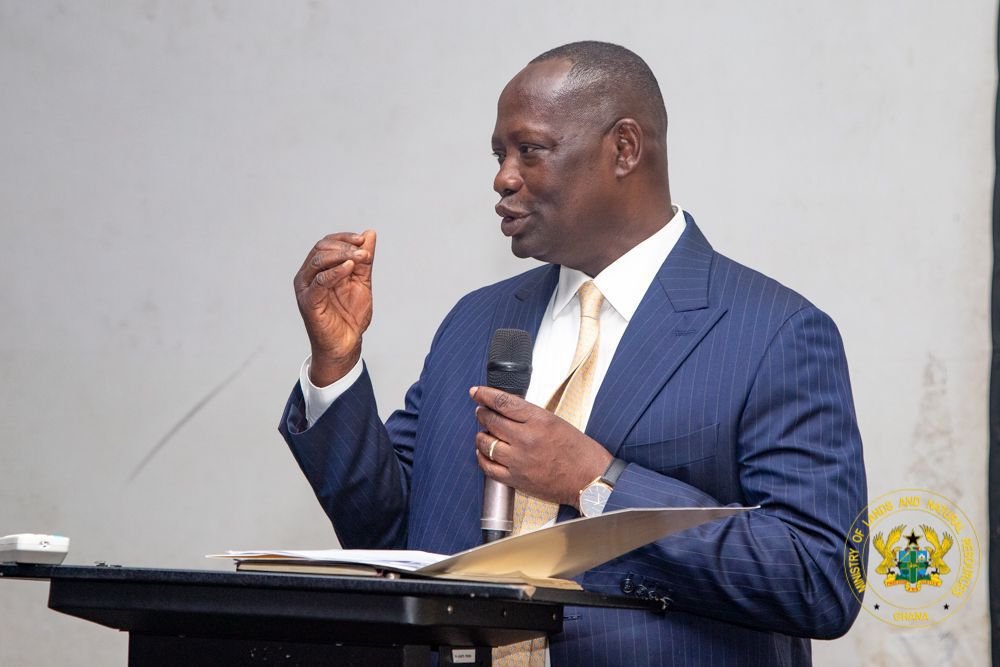
During a highly critical institutional evaluation, the Ministry of Lands and Natural Resources presented a comprehensive blueprint detailing its latest sector achievements, persistent operational challenges, and ongoing legislative reforms designed to catalyze this continuous economic model.
Civil Service Council Validates Institutional Efficiency and Reform Milestones
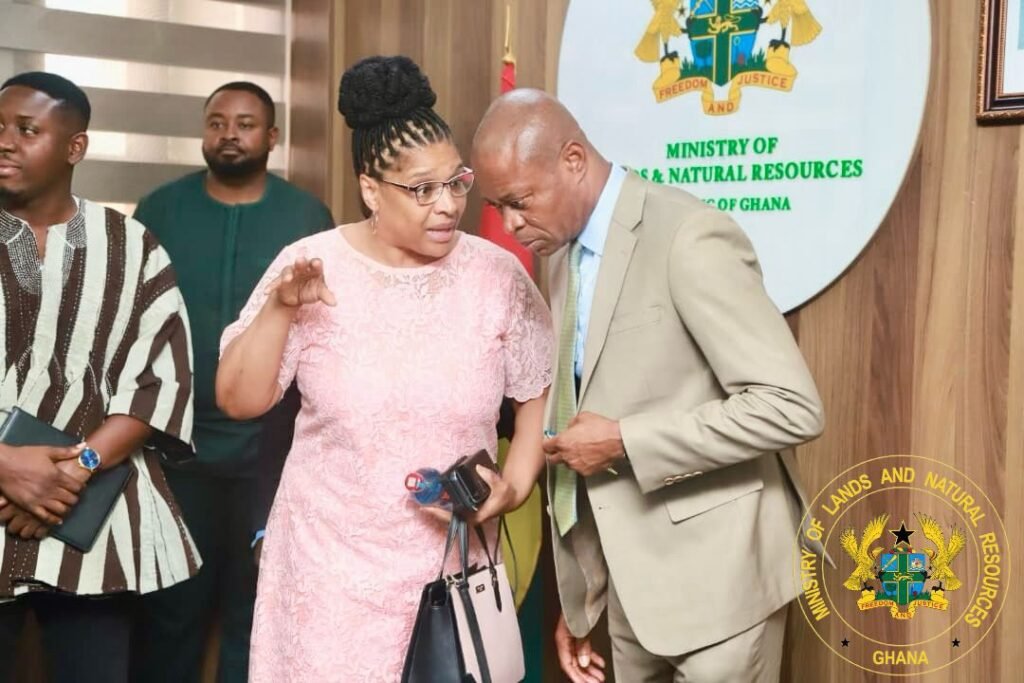
The Head of Civil Service, Dr. Evans Aggrey-Darko, lauded the Ministry of Lands and Natural Resources during an official working visit describing it as one of the finest institutions the administrative assessment team has toured so far.
Accompanied by the Chairman of the Civil Service Council, Dr. Lawrence Kannae, the high-powered delegation evaluated the sector’s regulatory adjustments and progressive internal transformations.
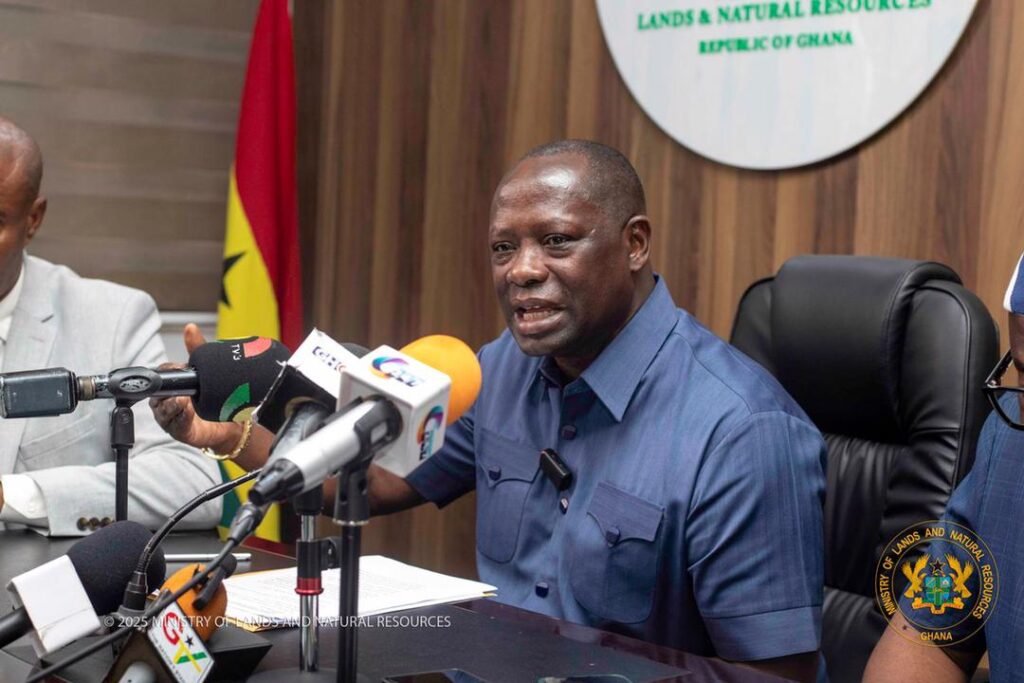
Dr. Aggrey-Darko specifically commended the ministry’s leadership for its high level of organization and coordination, noting that such structured administrative competence is indispensable for managing the complex, capital-intensive demands of Ghana’s extractive industry.
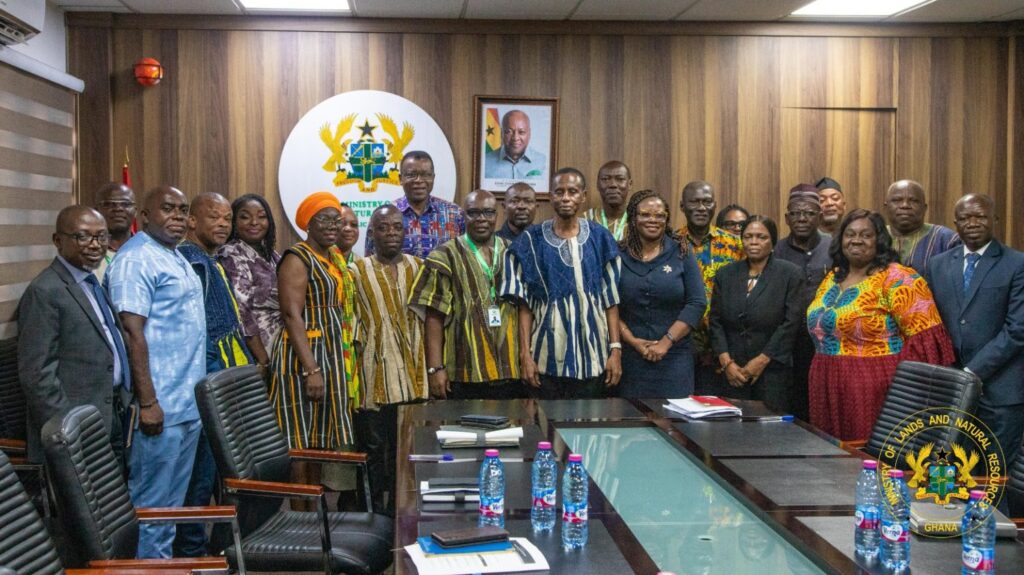
In his address to the ministerial staff, the Head of Service emphasized that the ministry’s proactive posture in advancing internal reforms is a benchmark for public sector administration. He noted, “The Ministry is one of the finest institutions we have visited in terms of organisation,” emphasizing that the seamless management of the country’s natural resources heavily depends on such institutional discipline.
However, recognizing the persistent environmental vulnerabilities associated with resource extraction, Dr. Aggrey-Darko explicitly encouraged the Ministry to explore additional, highly aggressive measures in the national fight against illegal mining, commonly known as galamsey, to safeguard the country’s water bodies and forest reserves.
Inter-Agency Synergy as a Catalyst for Extractive Sector Stability
The strategic significance of strengthening the relationship between the Civil Service Council and the Ministry of Lands and Natural Resources lies in the creation of a resilient, highly bureaucratic defense system against corruption and regulatory inertia in the extractive arts.
When the administrative oversight of the Council aligns closely with the technical enforcement arms of the Ministry, the state can execute mining policies with precision.
This institutional synergy ensures that public servants managing lucrative mineral concessions are bound to strict codes of conduct, shielding them from external political or commercial compromise.
Furthermore, a fortified relationship between these two bodies accelerates the deployment of civil service reforms tailored specifically to the high-stakes natural resource sector.
By co-authoring specialized capacity-building programs, the Council helps equip ministry officials with modern technological skills in GIS mapping, remote sensing, and automated audit trails for mineral output.
This systemic upgrade reduces human intervention in licensing processes, effectively choking off the illicit networks that fuel illegal small-scale mining while boosting investor confidence through institutional predictability.
Public Sector Benchmarking and Sustainable Resource Governance
The working visit forms part of the Civil Service Council’s official engagements with public institutions, an ongoing initiative aimed at strengthening the Civil Service and promoting effective public sector administration across all ministries, departments, and agencies.
By conducting these rigorous, hands-on institutional audits, the Council seeks to bridge the gap between policy formulation and practical field execution.
while Ghana deepens its industrialization drive, the Ministry’s ability to sustain an active nocturnal regulatory presence will determine the velocity of its economic expansion.
The integration of rigorous civil service discipline with cutting-edge natural resource management creates a protective shield over the nation’s commonwealth.
Through sustained monitoring, stringent enforcement of mining laws, and a highly disciplined administrative workforce, the partnership between the Council and the Ministry establishes a robust foundation for sustainable wealth creation, ensuring that the country’s natural endowments benefit both current and future generations.
READ ALSO: 36 Countries, EU Approve Agreement To Establish Special Tribunal For Ukraine