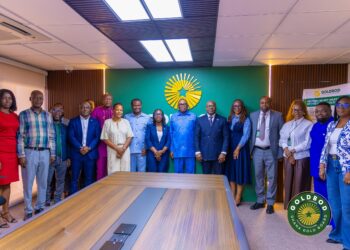
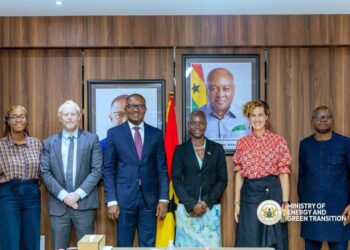
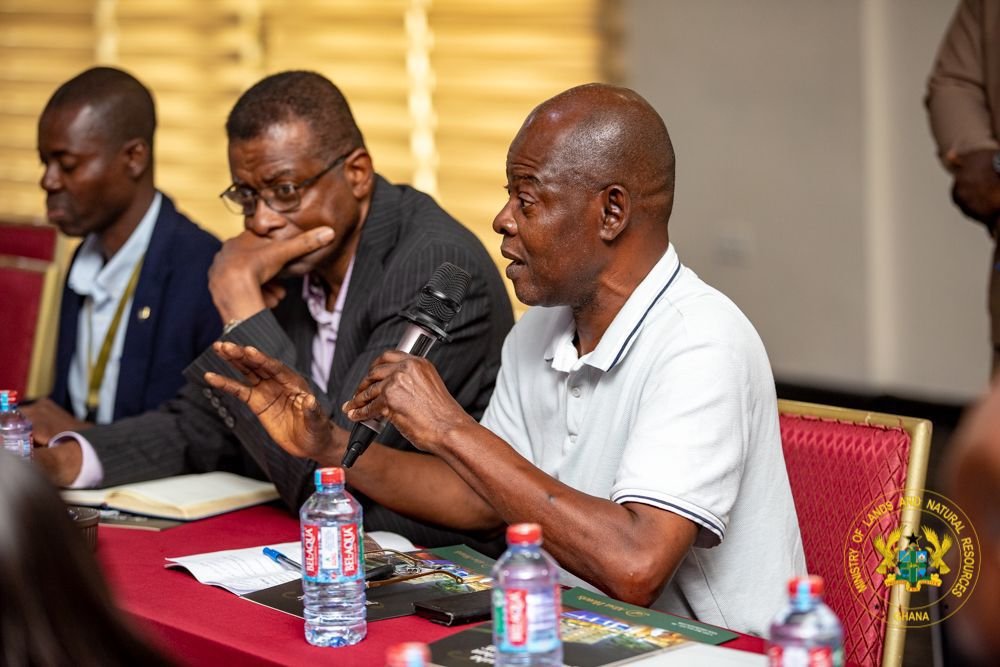
Dr. Steve Manteaw, a prominent natural resource governance expert and co-chair of the Ghana Extractive Industries Transparency Initiative (GHEITI), has strongly rebuffed recent demands for the non-renewal of Gold Fields’ mining lease for the Tarkwa Mine, describing such assertions as misplaced and ill-informed.
His intervention follows a formal request by the multi-national mining firm for a 20-year extension on its flagship asset ahead of its expiration in April 2027, a move that has sparked intense structural debate regarding resource nationalism and investment stability.
The policy analyst urged extreme caution in the ongoing discourse, cautioning that a reckless approach to critical lease extensions could severely destabilise the economic foundations of the country’s extractive architecture.
“Calls for the non-renewal of Goldfields’ lease is misplaced and completely ill-informed. Let’s be careful. What we fundamentally need to fix in the mining industry is the management and use of mineral revenues. Prioritizing recurrent expenditure over capital projects is partly why we are where we are. Time to do for mining, what we have so brilliantly done for oil.”
Dr. Steve Manteaw

The public pushback from the governance expert comes directly on the heels of an official policy directive issued by the Institute of Economic Affairs (IEA), which called on the Government of Ghana to outrightly reject the application submitted by Gold Fields.
Led by former Chief Justice Sophia Akuffo and former Speaker of Parliament Professor Mike Oquaye, the policy think tank argued that extending the current concessionary agreement would be deeply inimical to the long-term economic and strategic interests of the state.
The institute expressed grave concern over corporate disclosures from Gold Fields Chief Executive Officer Mike Fraser, who indicated that the company was already actively engaging state officials and traditional authorities in Tarkwa to secure administrative approval.
According to the IEA, decades of foreign participation under colonial-era concessionary structures have failed to yield transformative local development, leaving host communities socio-economically marginalized while substantial mineral revenues are exported abroad.
The Threat to Investor Confidence and Fiscal Stability
An abrupt, uncalculated rejection of a major multi-national mining lease presents immediate financial risks that could compromise the state’s macroeconomic stability.
Industry data shows that the Tarkwa enclave, which includes concessions operated by Gold Fields, represents one of the largest single sources of direct domestic tax mobilization for the state.
Denying an extension without an established, highly structured transitional framework risks disrupting these predictable inflows, which are vital for national budgetary support and debt servicing.
Furthermore, a sudden policy shift toward forced nationalisation could severely dent the sovereign investment profile of the West African nation.
In international capital markets, consistency in mineral tenure and regulatory predictability are the primary benchmarks used by institutional financiers to assess sovereign risk.
If the state establishes a precedent of terminating active, compliant corporate leases under political pressure, global mining conglomerates may reallocate exploration capital to competing jurisdictions across the sub-region.

This capital flight would not only halt ongoing brownfield expansions but could also increase the cost of borrowing for the state, as international markets penalise regulatory volatility.
Technical and Operational Realities of Deep Ownership
The structural demand by civil society for immediate indigenous takeover often overlooks the immense capital intensity and operational complexities associated with managing large-scale, open-pit assets like the Tarkwa Mine.
While local tertiary institutions have successfully developed a highly capable pool of technical professionals and engineers, the transition from providing operational contract services to assuming full corporate balance-sheet risk is a massive structural hurdle.
Deep ownership requires continuous access to complex global supply chains, specialized metallurgical processing technologies, and multi-million-dollar heavy mining equipment fleets that demand substantial foreign exchange liquidity.
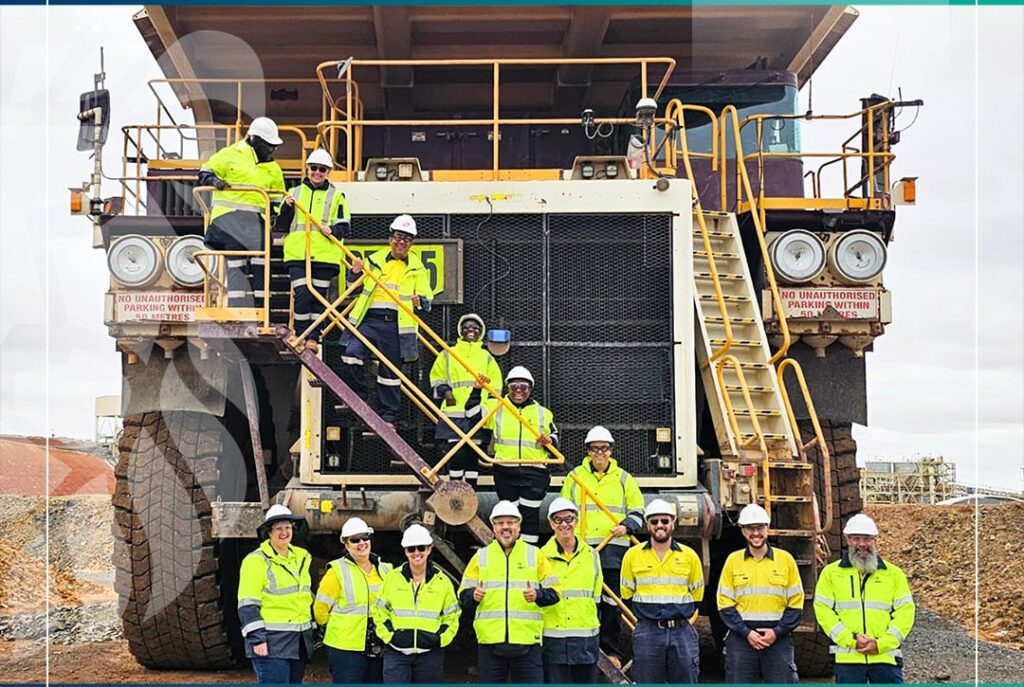
Without a well-planned, phased approach to state participation, an immediate administrative shutdown or forced transfer of ownership could result in technical paralysis and premature asset decommissioning.
If local entities take over an asset without the requisite international lines of credit or risk-mitigation facilities, operational inefficiencies can quickly erode profit margins, leading to job losses and a reduction in mineral output.
Rather than pursuing an outright rejection of foreign leases, natural resource analysts recommend implementing structured local content participation models, sliding-scale royalty frameworks, and joint-venture mechanisms that progressively elevate indigenous equity without compromising active production or violating standing investment promotion treaties.
READ ALSO: Education Barriers Lifted as Adults Gain Study Opportunities Across UK