Ghana Mine Workers’ Union (GMWU) of the Trades Union Congress (TUC), has issued a stern warning to the government through the Minister Lands and Natural Resources demanding the immediate withdrawal of the proposed contract mining directive in the country’s extractives sector.
Speaking on behalf of over 14,000 organized mine workers, Mr. Abdul Moonin Gbana, General Secretary of the GMWU asserted that the policy represents a fundamental deviation from the core objectives of Ghana’s local content regulations.
The union’s public outcry signals rising tension between organized labor, state regulators, and foreign multinational mining entities operating across major mining enclaves in the country.
“This is not what we intended for the local content regulation. This is a complete reversal of what the intentions were. Mr. Minister, with the greatest of respect to you, the Ghana Mine Workers Union and over 14,000 of our members are totally opposed to this contract mining directive.”
Mr. Abdul Moonin Gbana, General Secretary of the GMWU
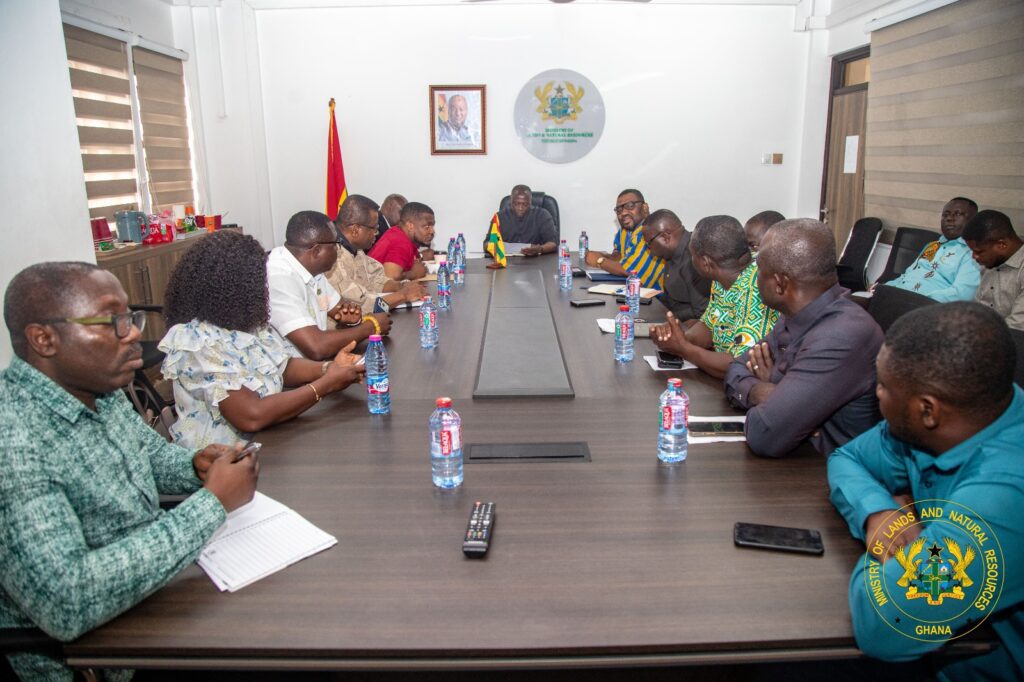
Mr. Gbana revealed that labor union leadership has begun picking up concerning operational intelligence regarding corporate decisions made by major industry leaders, including Zijin Mining and Newmont.
According to the union executives, these corporate entities are already outlining strategic transition models to shift core operations toward third-party contract mining arrangements.
Labor leaders contend that this structural pivot erodes direct employment security, degrades labor standards, and reverses hard-won local capacity gains designed to empower national workforce participation within the domestic value chain.
Labor Mobilization and Impending Industrial Action
Addressing the direct socioeconomic fallout on local workers, Mr. Gbana declared that unionized miners across all mining concessions will initiate nationwide industrial protests to register their dissatisfaction.
Beginning September 1st, workers across various sites will wear red armbands to signal their opposition to both corporate management and government agencies overseeing the sector.
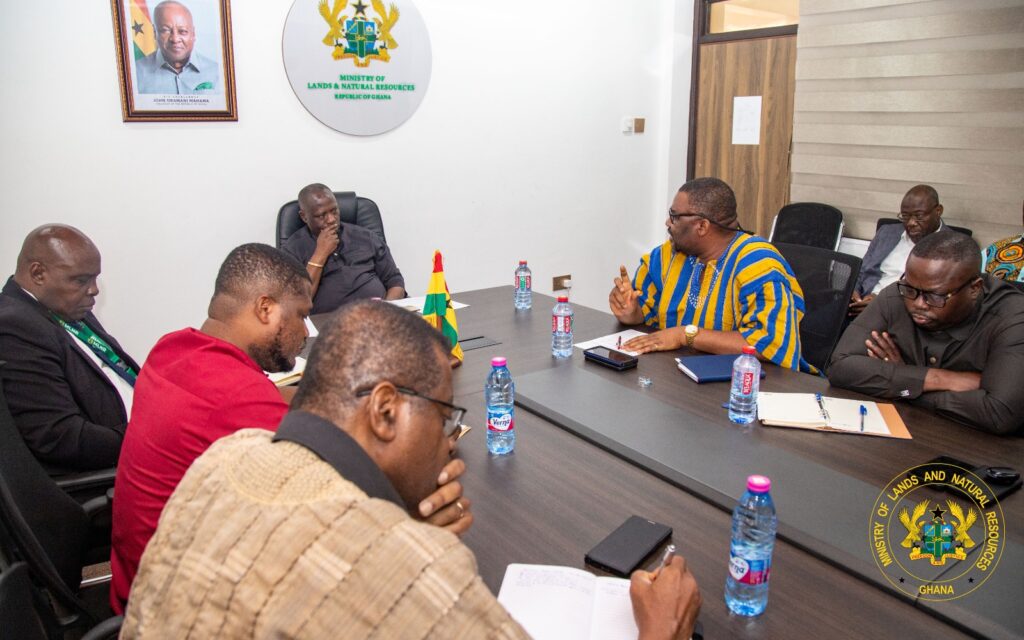
Union leadership cautioned that should the ministry fail to revoke the directive, more rigorous and robust industrial measures will follow by the end of September to protect members’ livelihoods.
The planned actions underscore deep-seated grievances surrounding fair compensation, long-term employment benefits, and workplace safety standards, which union leaders argue are compromised when foreign operators outsource primary operations to sub-contractors.
Union representatives stressed that organized labor cannot remain passive while foreign capital restructuring erodes national labor safeguards.
Consequently, the impending protests aim to halt what the union views as an unchecked institutional rollout of precarious work arrangements.
The Pitfalls of Contract Mining and Precarious Employment
Mr. Minister, the nature of employment in Ghana’s mining industry can simply be described as precarious a reality that this policy directly worsens.
Contract mining models inherently shift operational risks from multinational resource holders onto flexible, third-party workforce entities.
This operational structure frequently results in short-term fixed contracts, reduced pension contributions, limited medical coverage, and diminished collective bargaining power for ordinary mineworkers relative to direct corporate employment.

Furthermore, replacing permanent workforce arrangements with outsourced service contracts undermines the strategic mandate of local content legislation.
Instead of building national technical capacity, contract mining often traps local workers in low-tier, easily replaceable roles without long-term career progression or skill transfers.
The practice effectively allows multinational firms to maximize capital extraction while externalizing employment vulnerabilities onto the local workforce, running counter to sustainable resource governance goals.
Strategic Imperatives for Reforming Local Content Policies
To safeguard national economic interests, ending the reliance on unregulated contract mining is a critical policy imperative for the Ministry of Lands and Natural Resources.
Sustainable extractives management requires a regulatory framework that prioritizes direct job creation, local equity participation, and robust institutional protections for national workers.
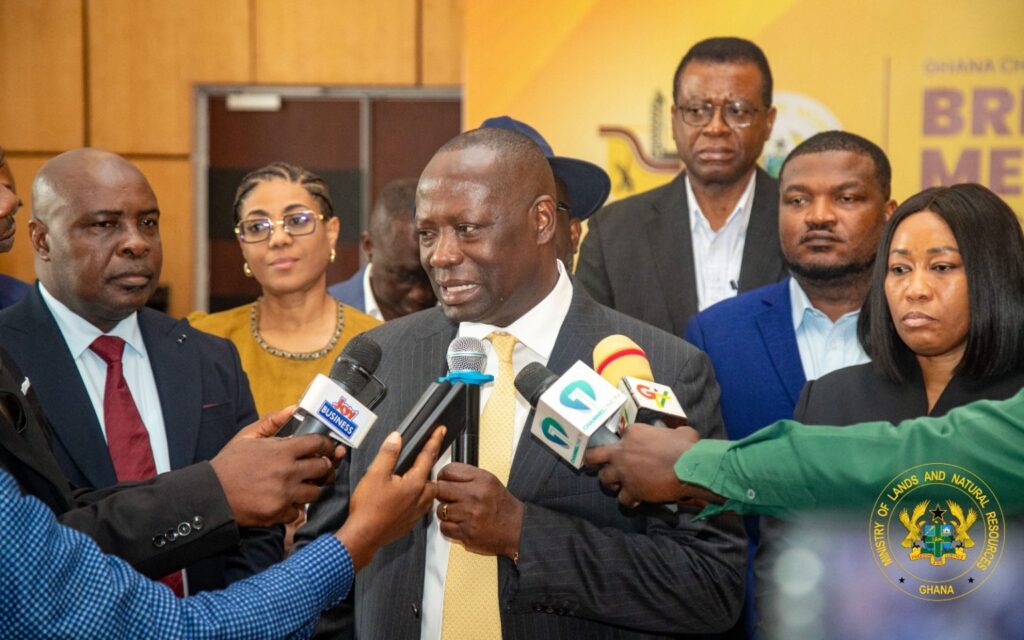
Broadening local content rules must mean deepening domestic value addition, not creating legal loopholes for foreign firms to sidestep direct employer obligations.
Realigning the local content policy with its original vision necessitates immediate dialogue between government regulators, industry operators, and organized labor organizations.
Policy experts stress that sustainable growth in Ghana’s mining sector relies on a stable, highly skilled, and adequately protected workforce.
By scrapping the contract mining directive and enforcing strict local capacity mandates, government can protect mineworkers’ livelihoods while ensuring that natural resource exploitation yields equitable economic returns for the nation.
READ ALSO: Diddy Could Face Criminal Charges Linked to Tupac Murder Case