Institute of Economic Affairs (IEA) and Ghana Chamber of Mines have come under scrutiny for their superficial contributions to the brewing debate over the mining lease renewal for Gold Fields Ghana’s Tarkwa Mine.
While the IEA has voiced strong opposition to the extension of the decades-old agreement, critics argue that the think tank has failed to provide a robust, evidence-based framework to support its stance.
Conversely, the Chamber of Mines’ defense of the status quo has been described as equally unpersuasive, leaving a vacuum of rigorous analysis in a conversation that holds significant implications for Ghana’s extractive sector policy.
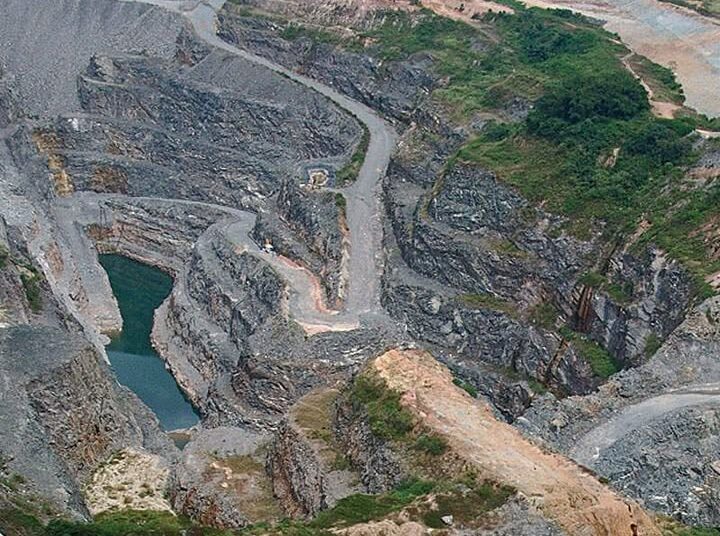
This intellectual deadlock comes at a critical juncture as the 30-year lease for the Tarkwa Mine nears its expiration, prompting a national discourse on the efficacy of long-term mineral concessions.
Central to the critique leveled by Dr. Kenneth Bansah, a mining expert is whether the mining industry, despite its longevity, has delivered on its promise of national metamorphosis.

“The basis of the argument does not appear to be strongly supported with detailed evidence, and the response from the Ghana Chamber of Mines is also not particularly convincing. In my view, both institutions may need to provide stronger data and deeper analysis to support their respective positions. These are difficult but necessary national conversations that require careful analysis.”
Dr. Kenneth Bansah,
The IEA’s position rests on the premise that the state must reconsider its relationship with large-scale miners, yet the lack of granular data in their argument weakens the push for policy reform.
On the other hand, the Chamber of Mines has struggled to articulate a compelling narrative that justifies why a renewal is the most beneficial path for the Ghanaian people, beyond standard tropes of investor certainty.
This lack of depth from both sides obscures the vital question of whether the industry has truly sparked transformative development or merely sustained a cycle of raw material exportation with minimal local impact.

The Question of Transformative Development
While there is no denying that the sector serves as a cornerstone for “government revenue, exports, and employment,” there is a growing consensus that these contributions have not translated into “transformative national development” for the broader economy or the immediate mining communities.
The debate, therefore, shifts from simple fiscal receipts to a more profound investigation into the structural benefits of these 30-year cycles.
If the impact remains underwhelming, the responsibility for this stagnation becomes a point of contention.
Dr. Bansah suggests that the blame may be shared between “the mining companies, the managers of the economy, or both.” This shared accountability is essential when deciding whether “greater localization should be pursued” once a lease expires.
Without a clear understanding of who failed to leverage the past three decades for industrial growth, the state risks repeating the same mistakes in the next 30-year cycle.
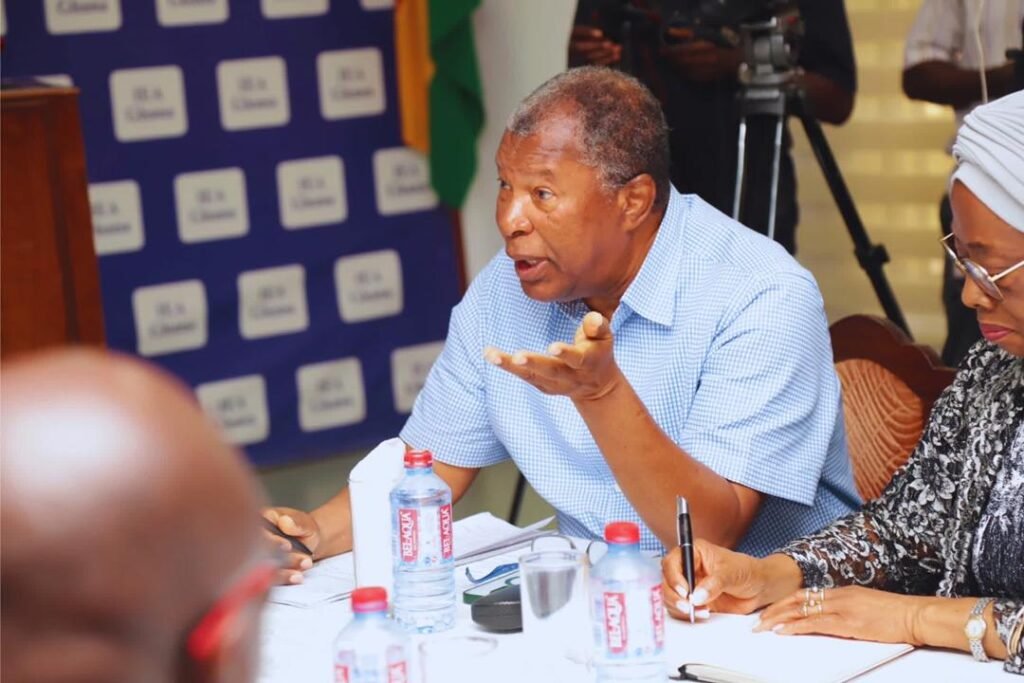
The current feud between the IEA and the Chamber fails to address these nuances, focusing instead on surface-level disagreements rather than a holistic audit of the sector’s socio-economic footprint.
Investor Confidence vs. Sovereign Rights
A recurring theme in the Chamber’s defense is the potential for “undermining investor confidence” should the state decline a renewal.
However, legal experts and industry analysts point out that a mining lease is a “fixed duration” contract, not a perpetual right. Companies enter these agreements with “financial projections and long-term business plans” that account for the specific lifespan of the lease.
Therefore, the expiration of a contract should not be viewed as an act of “expropriation or hostility toward investors,” but rather as the natural conclusion of a legal term.
The Perils of an Unstructured Approach
Ultimately, the “Tarkwa Mine feud” serves as a wake-up call for Ghana to move beyond emotive arguments and entrench a culture of deep analytical scrutiny.
The extractive sector requires a roadmap that balances the “additional value” earned by companies with the “transformative impact” required by the nation.
If the IEA and the Chamber of Mines continue to offer weak arguments, they do a disservice to a nation that is currently weighing the value of its golden heritage against the necessity of future economic independence.
Only through “stronger data” can Ghana navigate the complex transition from a colonial-style extraction model to a truly localized and integrated mining economy.
READ ALSO: 36 Countries, EU Approve Agreement To Establish Special Tribunal For Ukraine