
Ghana’s electricity system is facing renewed scrutiny after two major nationwide power disruptions within three weeks, with the Institute for Energy Security (IES) calling for full technical disclosure from the Ghana Grid Company Limited (GRIDCo) and stronger measures to prevent further system-wide failures.
The latest disturbance occurred at about 4:30 a.m. on Thursday, August 20, after a fault on the Akosombo–Volta transmission line triggered the automatic tripping of generating units at the Akosombo power facility and some thermal plants.
GRIDCo subsequently confirmed that the incident resulted in power supply interruptions in parts of the country.
The development followed a similar nationwide disturbance on July 29, when several generating plants tripped from the interconnected power system.
Although the two incidents should not automatically be treated as having the same technical cause, their proximity has elevated concerns about the resilience of Ghana’s power network.
For IES, the issue has therefore moved beyond the inconvenience of individual outages to a broader question of whether the national electricity system has sufficient protection, redundancy and operational resilience to contain major faults without widespread consequences.
Recurrent Failures Put Grid Resilience Under Scrutiny
IES said the recurrence of major disturbances warrants a comprehensive technical assessment, particularly as electricity demand and the complexity of Ghana’s power system continue to grow.
The institute also pointed to the outstanding technical investigation announced after the July 29 disturbance.
According to IES, GRIDCo had indicated that an investigation would establish the cause of that event and inform corrective action, but the findings had not been publicly disclosed by the time of the latest outage.
“There is an urgent need for short-term assessments aimed at guaranteeing system and grid stability alongside critical investment capable of strengthening long-term resilience.”
Institute For Energy Security (IES)
The call for disclosure is significant because the technical origin of a blackout determines what kind of intervention is required.
A failed transmission asset, inadequate network redundancy, protection-system malfunction, generation instability or an operational error would each require a different response.
Without the findings of a technical investigation, it becomes difficult for external stakeholders to determine whether successive disturbances are isolated events or symptoms of a broader weakness.
That distinction matters for Ghana because the National Interconnected Transmission System is the link between power generation and electricity distribution.
A system can have generating capacity available but still experience supply interruptions when the transmission network is unable to move that electricity securely or when a major fault causes generating units to disconnect.
Generation Capacity Alone Cannot Guarantee Supply
Ghana’s electricity debate has often focused heavily on generation capacity, but the latest disturbances underline another part of the equation: the ability to transmit available power reliably.
Transmission infrastructure carries electricity from generating facilities to distribution networks and large consumers.
Its reliability is therefore central to the performance of the entire power sector.
The August 20 incident provides a particularly clear illustration. GRIDCo said a fault on the Akosombo–Volta transmission line triggered the automatic tripping of Akosombo units and some thermal generating plants as part of the system’s protection mechanisms.
Those protection mechanisms serve an important purpose.
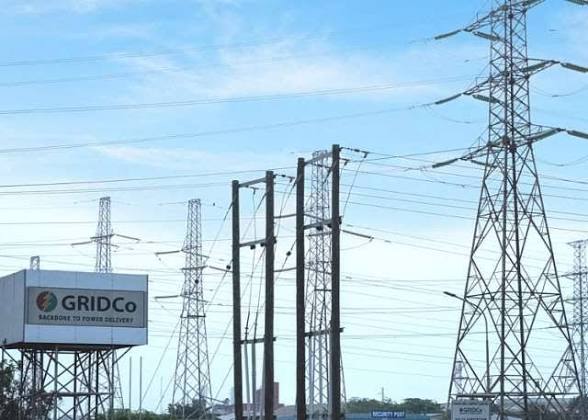
Automatic tripping is intended to isolate equipment and prevent a fault from causing more severe damage to the wider network.
The energy-sector concern arises when the resulting loss of generation produces interruptions across large portions of the country.
The lesson is not that protection systems have failed simply because they operated.
Rather, the incident raises questions about whether sufficient alternative transmission pathways and system redundancy exist to absorb the loss of key assets without widespread supply consequences.
For an economy seeking greater industrialisation, that distinction is critical.
Blackouts Create Costs Beyond Lost Electricity
The economic effect of grid instability also extends well beyond the hours during which consumers remain without electricity.
Manufacturers can lose production time when machinery shuts down.
Cold-chain operators and food businesses face risks to refrigerated products.
Digital businesses can suffer interruptions to transactions and services, while commercial establishments may have to switch to backup generation.
For companies that operate generators, the cost of unreliable grid electricity is transferred partly into fuel consumption, generator maintenance and equipment replacement.
That creates an additional operating cost even where electricity supply is eventually restored.
The effect is particularly important for Ghanaian businesses already seeking to improve competitiveness.
Electricity reliability is not merely a utility concern; it influences production planning, investment decisions and the cost of doing business.
For households, the consequences are similarly wider than darkness.
Electricity interruptions can affect refrigeration, water pumping, communications, home-based businesses and other activities that depend on continuous power.
Repeated disturbances can consequently impose economic costs even when each individual outage is relatively short.
Financing and Engineering Must Move Together
IES’ concerns also intersect with the broader financial difficulties facing Ghana’s electricity sector.
Transmission resilience requires sustained expenditure on maintenance, equipment replacement, network reinforcement and modern system-control technologies.
Those investments are difficult to sustain when sector institutions face persistent financial constraints.

That makes the ongoing Ghana Energy Sector Recovery Programme particularly relevant.
The programme places emphasis on improving the reliability and financial sustainability of the energy sector, alongside broader reforms intended to strengthen resilience.
A financially stronger electricity sector should, in principle, be better positioned to undertake preventive rather than predominantly reactive maintenance.
But financing alone will not resolve the problem.
Ghana also needs accurate technical assessments of where the transmission system is most vulnerable, how much redundancy exists around critical corridors and whether existing protection systems are appropriately configured for the changing generation mix and demand profile.
The answer cannot simply be to repair whatever asset fails after every major disturbance.
Transparency Can Strengthen Public Confidence
IES’ demand for greater disclosure is therefore an important part of the energy-sector conversation.
A technical report following a major grid disturbance does more than explain an outage to consumers.
It can establish whether corrective measures are required at generation facilities, transmission lines, substations, protection systems or system-control operations.
It can also provide a basis for determining whether investment priorities need to change.
“Full and transparent disclosure” is needed on the challenges confronting the national power system.”
Institute For Energy Security (IES)
The demand is particularly relevant after two major disturbances in a short period.
Publishing credible technical findings would allow policymakers, industry participants and energy experts to distinguish between unrelated failures and recurring systemic weaknesses.
That would also help reduce the space for speculation whenever a major blackout occurs.
For GRIDCo, the challenge is consequently twofold: restore electricity safely and demonstrate that lessons from the disturbances are being translated into preventive measures.
The Real Test Is What Happens After Restoration
GRIDCo’s immediate explanation of the August 20 incident provides an important starting point: the company has identified a fault on the Akosombo–Volta transmission line and explained how the protection system responded.
But the more consequential questions remain.
What caused the transmission fault?
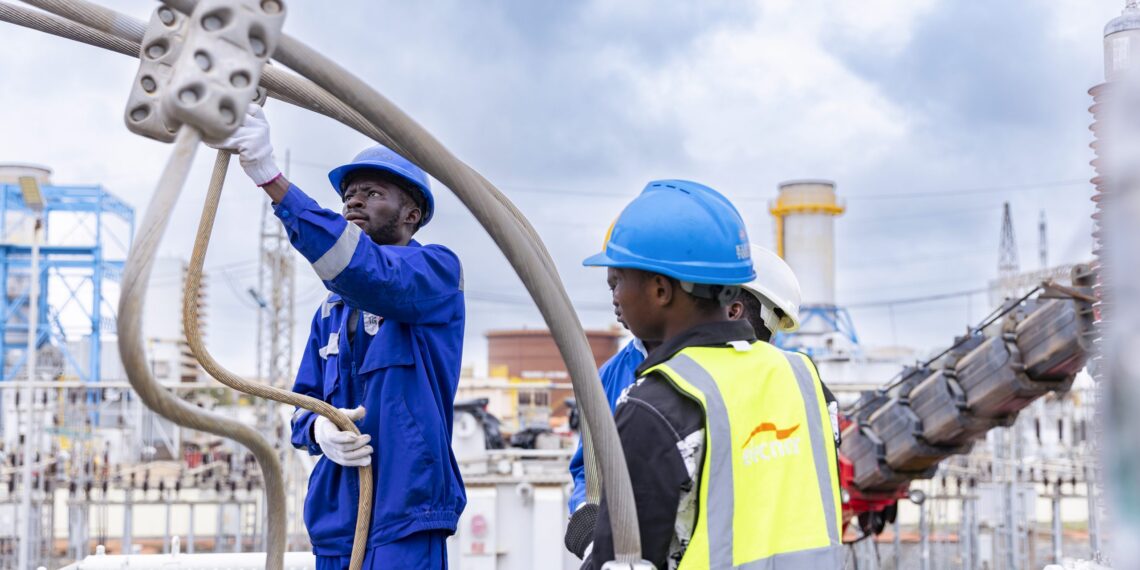
Why did its impact extend into the generation fleet?
What corrective measures are required?
And can the network absorb a similar failure in the future without producing another widespread interruption?
Those questions cannot be answered conclusively from the information currently available, and attributing the two outages to a single systemic weakness without the technical findings would be premature.
Nevertheless, the recurrence is sufficient to justify deeper scrutiny.
Ghana’s energy security cannot be measured only by the megawatts installed or the amount of electricity generated.
It also depends on whether the transmission system can deliver that electricity consistently, withstand faults and restore supply quickly when disruptions occur.
The immediate priority is full restoration of power.
The bigger energy-policy task is to ensure that restoration does not become the end of the response.
Two nationwide disturbances within three weeks should be treated as a signal for investigation, investment and institutional learning, not simply as two separate occasions to switch the lights back on.
READ ALSO: GIPC and NCC joins Forces to Drive Investment into Ghana’s Cultural Infrastructure