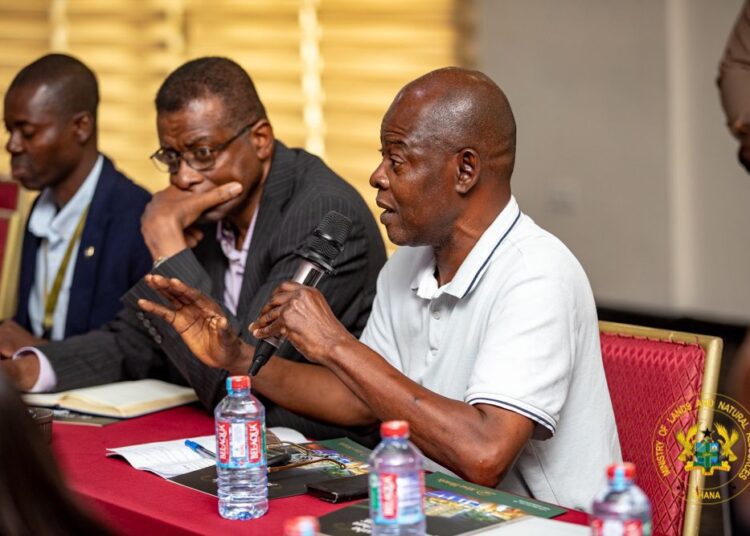
Dr. Steve Manteaw, a prominent minerals governance expert and policy analyst, has strongly condemned the Minerals Commission over what he describes as an aggressive regulatory stance against local Ghanaian mining entities.
He cautioned that the state regulator’s recent administrative actions against indigenous operators severely undermine the government’s broader economic strategy focused on local capacity development.
“The Minerals Commission must stop this hawkish hostility & targeting of indigenous mines, they undermine the President’s indigenization drive. We cannot be preaching indigenization and be frustrating indigenous mining companies at the same time. Let’s find ways of supporting our own.”
Dr. Steve Manteaw,
Expanding on his critique, Dr. Manteaw argued that the regulatory body’s tough posturing creates unnecessary operational friction for domestic mining firms trying to establish a firm foothold in the capital-intensive sector.

He stressed that a regulatory framework should aim to guide and build domestic capacity rather than enforce heavy-handed sanctions that disproportionately weaken local entrepreneurs competing alongside giant multinational conglomerates.
Escalating Tension Between Regulators and Local Mining Entities
The governance expert highlighted that the recent supervisory measures executed by the Minerals Commission demonstrate a troubling misalignment with executive policy goals aimed at building domestic industrial giants.
According to him, indigenous operators frequently face stringent compliance demands and swift administrative punishments, whereas a more collaborative and rehabilitative oversight approach could easily achieve regulatory compliance without collapsing local investments.
He further pointed out that foreign multinational enterprises operating in Ghana’s extractive sector often enjoy stable institutional support, tax concessions, and flexible negotiation terms.

In stark contrast, local businesses attempting to scale up commercial gold or industrial mineral production encounter severe bureaucratic bottlenecks, rigid enforcement regimes, and limited access to institutional credit, effectively locking them out of high-value mineral claims.
Dr. Manteaw noted that while regulatory oversight remains necessary to prevent environmental degradation and ensure safety, enforcement actions must strictly align with national strategic priorities.
Penalizing indigenous operators without offering technical guidance or clear remediation pathways actively defeats the state’s vision of creating national champions within the extractive supply chain.
Aligning Mining Regulation with National Indigenization Imperatives
Strategic economic development requires that statutory regulatory bodies actively foster an environment where local capital and indigenous technical expertise can flourish
When state agencies act in a manner perceived as hawkish toward indigenous capital, it stifles local participation, discourages domestic investors, and leaves the exploitation of the country’s precious natural resources almost exclusively in the hands of foreign conglomerates.
Furthermore, true indigenization in the mining sector goes beyond granting small-scale licenses; it requires structured support, fair regulatory leeway, and institutional backing for medium- and large-scale indigenous operators.
Without a deliberate attempt by state regulators to nurture homegrown capacity, the country will continue to export raw wealth while retaining minimal value within its domestic economy.

The policy expert noted that sustainable resource governance depends on regulatory equity, where rules are applied fairly without destroying local enterprise.
Protecting native participation in high-value industries serves as the bedrock for long-term job creation, technology transfer, and local economic resilience across resource-rich communities.
Policy Reform Pathways to Safeguard Domestic Extractive Investment
To correct this institutional imbalance, industry stakeholders are calling for an immediate review of the Minerals Commission’s operational protocols regarding indigenous leaseholders and mine developers.
State regulators must adopt an advisory, capacity-building framework that assists local firms in reaching international safety and environmental standards rather than defaulting to license revocations and punitive suspensions.
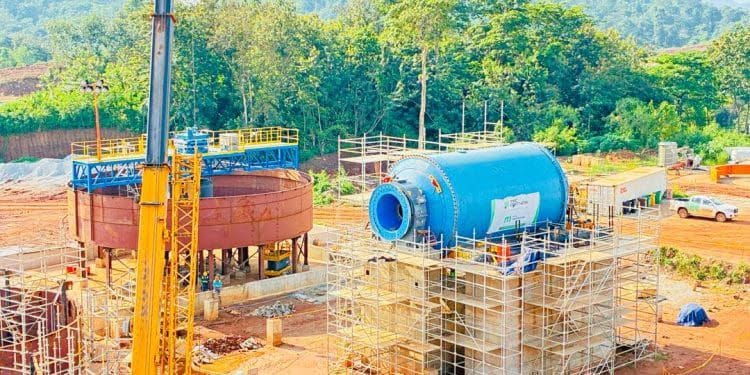
In addition, establishing dedicated local content units within regulatory bodies will ensure that domestic mining entities receive targeted financial, managerial, and technical guidance.
Bridging the gap between strict statutory enforcement and proactive industrial support will enable indigenous mining enterprises to operate sustainably while supporting the national economy.
Ultimately, aligning regulatory oversight with executive indigenization goals is crucial for securing the future of Ghana’s extractive industry.
READ ALSO: Energy Commission Courts UAE Investment For Ghana’s Transition