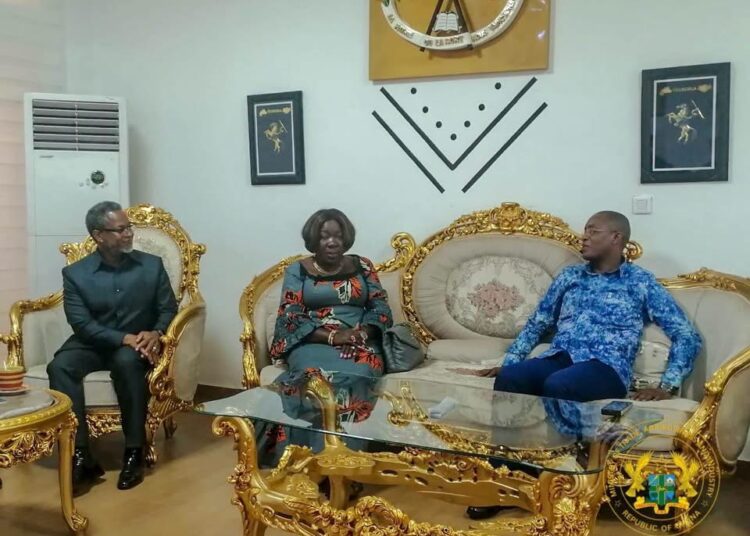
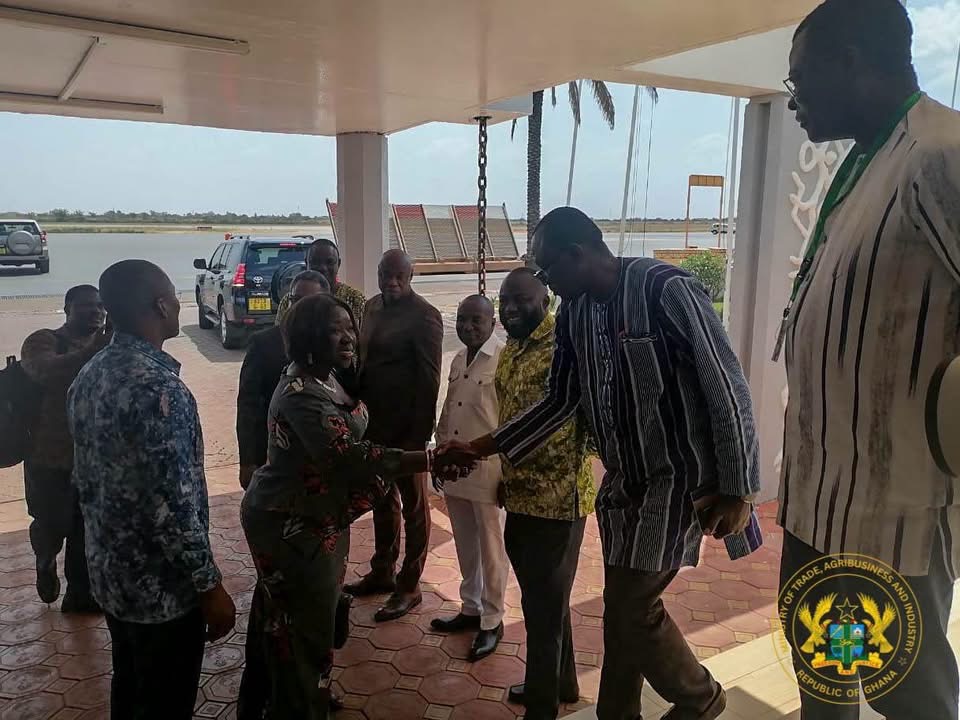
Ghana’s Minister for Trade, Agribusiness and Industry, Elizabeth Ofosu-Adjare, has arrived in Ouagadougou, Burkina Faso, ahead of the 18th edition of the Ouagadougou International Handicrafts Fair (SIAO), as Ghana prepares to showcase its artistic heritage and expand commercial opportunities for local artisans across African and international markets.
The fair, scheduled for October 30 to November 8, 2026, is expected to bring together artisans, handicraft producers, traders, investors and industry stakeholders to promote African craftsmanship and strengthen trade relationships.
“Ghana’s participation in SIAO 2026 underscores the country’s commitment to promoting its handicrafts sector, strengthening intra-African trade and expanding market opportunities for Ghanaian artisans and craft businesses.”
Minister for Trade, Hon. Elizabeth Ofosu-Adjare
Ghana Targets Wider Markets for Artisans
The participation of approximately 200 Ghanaian exhibitors is expected to provide a platform for artisans and handicraft businesses to present products to prospective buyers, distributors, investors and other commercial partners.
The exhibition offers opportunities to establish business relationships that could extend beyond the duration of the fair.
Ghana’s handicrafts industry encompasses a broad range of products, including textiles, traditional clothing, woven baskets, beads, pottery, wood carvings, leather goods and other items reflecting the country’s cultural identity.
These products combine traditional knowledge with creative enterprise and can serve both domestic consumers and international markets seeking distinctive African designs.
However, participation in international exhibitions must translate into measurable commercial outcomes to deliver lasting benefits. These include orders secured, distribution agreements established, export contracts negotiated and sustained relationships between producers and buyers.
For small and medium-sized enterprises, international exposure can also help businesses understand consumer preferences, improve product presentation and identify opportunities to increase production.
The engagement with buyers may reveal requirements relating to packaging, product consistency, delivery schedules and quality standards that artisans must meet to compete effectively.
“The expected participation of about 200 Ghanaian exhibitors creates an opportunity to connect local producers with buyers and commercial partners, while demonstrating the diversity and quality of Ghanaian arts and handicraft products.”
Minister for Trade, Hon. Elizabeth Ofosu-Adjare
The commercial value of the event will therefore depend not only on the number of exhibitors but also on the extent to which participating businesses can convert visibility into sales and develop the capacity to serve larger markets.
AfCFTA Creates Regional Trade Opportunities
Ghana’s participation comes amid efforts to deepen economic integration across Africa through the African Continental Free Trade Area (AfCFTA), which seeks to create a single continental market for goods and services.
The agreement provides a framework for reducing trade barriers and expanding commercial opportunities among participating African countries, subject to applicable rules and implementation arrangements.
For Ghanaian handicraft producers, regional markets offer opportunities to reach consumers beyond the domestic economy.
Burkina Faso’s role as the host country also provides a setting for strengthening business connections between Ghanaian producers and traders operating in the wider West African market.
Nevertheless, participation in a regional exhibition does not automatically guarantee preferential market access or eliminate the practical challenges associated with cross-border trade.
Businesses must consider transport costs, customs procedures, product documentation, payment arrangements and the applicable rules governing the movement of goods.
“The African Continental Free Trade Area provides a framework for expanding intra-African commerce, but businesses must also meet applicable trade requirements and establish reliable distribution channels to benefit from the wider market.”
Minister for Trade, Hon. Elizabeth Ofosu-Adjare
Cultural Heritage as an Economic Asset
Beyond commercial transactions, SIAO provides an international platform for promoting Africa’s cultural heritage, traditional craftsmanship, creativity and entrepreneurial potential.
By bringing producers and industry stakeholders together, the fair places handicrafts within a broader conversation about the economic contribution of culture and creative enterprise.
Traditional crafts preserve techniques, designs and skills passed between generations.
Their commercial development can help sustain these practices while creating opportunities for artisans, apprentices, designers, suppliers and other participants in the production chain.
The sector’s longer term growth will also depend on access to finance, appropriate equipment, business development support and training in marketing and export procedures.
These interventions can help artisans move from small-scale production towards more structured enterprises capable of meeting the requirements of larger buyers.
“The long-term economic value of handicrafts lies in combining cultural preservation with commercially sustainable production, market access and opportunities for artisans to grow their businesses.”
Minister for Trade, Hon. Elizabeth Ofosu-Adjare
As the fair opens on October 30, Ghana’s delegation will have an opportunity to promote the country’s creative products and engage potential partners in the regional and international marketplace.
The expected participation of approximately 200 Ghanaian exhibitors places the handicrafts sector at the centre of the country’s engagement.
The ultimate measure of success, however, will be whether the exhibition generates sustained business relationships, expands export opportunities and strengthens the capacity of Ghanaian artisans to compete in regional and international markets.
READ MORE:Mahama Proposes Ghana-Russia Partnership in AI and Digital Innovation