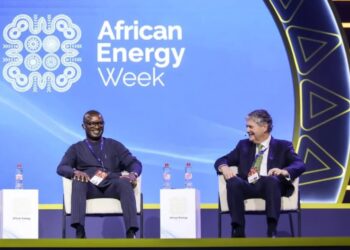
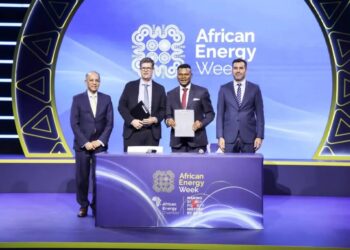
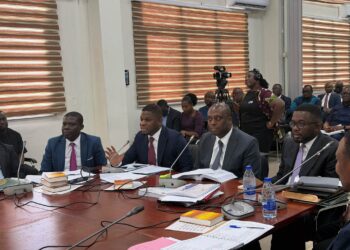
Mr. Kwame Ntow Amoah, the Acting Chief Executive Officer of the Ghana National Petroleum Corporation (GNPC), has championed Ghana’s enduring appeal as a premier energy investment destination, highlighting a robust portfolio of upstream opportunities, aggressive sector reforms, and deepening strategic partnerships as the primary catalysts driving growth across the country’s entire petroleum value chain.
Delivering these insights during the high-profile Energy Investment Opportunities Panel at the Ghana-UK Investment Summit 2026 in London, the GNPC boss positioned the West African nation as a highly competitive and secure environment for global capital.
The summit itself brought together an elite gathering of government officials, international investors, financiers, and energy industry leaders, all converging to explore fresh avenues for trade, bilateral investment, and long-term economic cooperation between Ghana and the United Kingdom.
“Partnership remains central to the future of Ghana’s petroleum industry. Our objective is to create an environment where investors can deploy capital with confidence while ensuring the country continues to derive long-term value from its resources.”
Mr. Kwame Ntow Amoah, the Acting Chief Executive Officer of the Ghana National Petroleum Corporation (GNPC)
Expanding on this narrative before the panel of policymakers and senior industry figures, Mr. Amoah meticulously outlined the specific commercial avenues awaiting international consortiums, emphasizing available open acreage across the productive Accra-Keta, Saltpond, and Tano basins, alongside highly promising emerging prospects within the frontier Voltaian Basin.

He fundamentally described Ghana as a “compelling investment proposition,” noting that the country’s oil and gas market is uniquely underpinned by a stable operating environment, proven petroleum systems, well-established infrastructure, and a stellar track record of mutually productive partnerships between the state, GNPC, and international financiers.
To sustain this momentum, the state hydro-carbon corporation is actively driving capital injection into existing producing assets, which includes supporting ongoing development programmes within the flagship Jubilee and TEN fields, as well as advancing planned technical interventions designed to boost domestic gas production from the OCTP Sankofa-Gye Nyame project.
Maximizing Mature Fields and Frontier Basins
The next evolutionary phase of Ghana’s energy sector hinges heavily on a dual-track strategy: sustaining output from mature blocks while aggressively advancing frontier exploration.
Through GNPC’s dedicated exploration subsidiary, Explorco, the government is spearheading pioneering work within the inland Voltaian Basin to de-risk untested acreage and unlock new hydrocarbon systems.
However, optimizing these resources requires a massive influx of external capital and advanced technological frameworks that can handle complex deepwater and inland extraction.
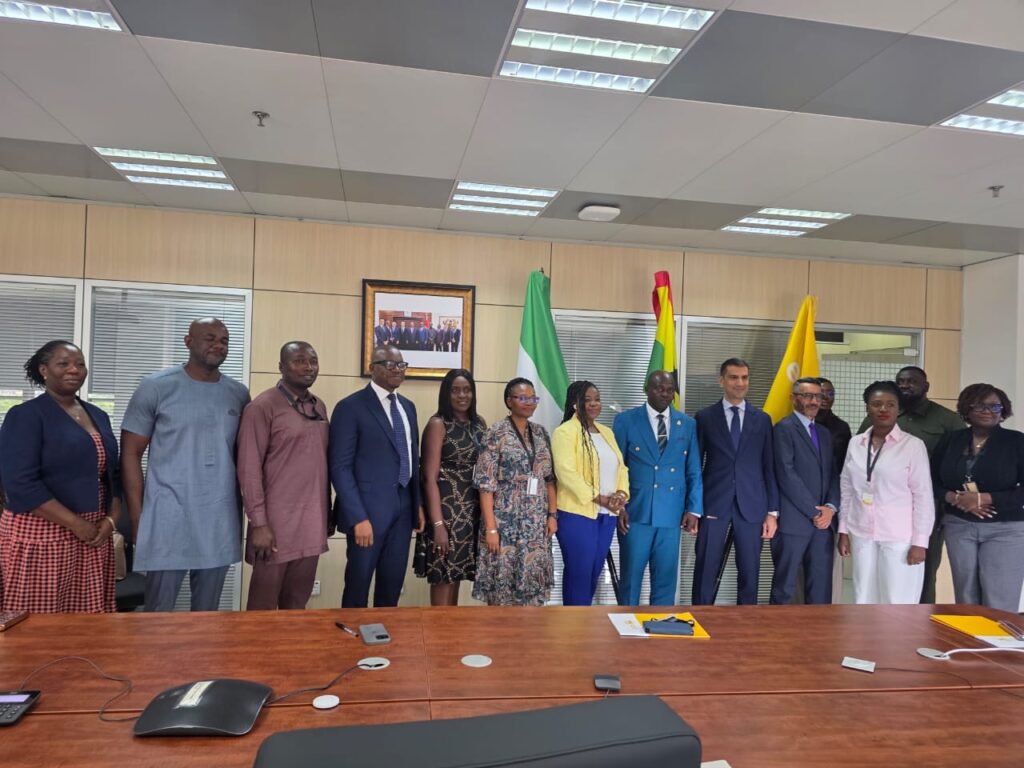
Simultaneously, the expansion of regional gas infrastructure is a critical priority to prevent stranded assets and ensure gas-to-power networks operate at peak efficiency.
By rolling out ongoing policy and fiscal reforms, Ghana is actively sharpening its competitive edge, lowering the regulatory hurdles that traditionally stymie large-scale infrastructure deployment, and systematically strengthening international investor confidence.
Fueling Economic Growth and Industrialization
Securing steady investment into Ghana’s petroleum value chain is not merely about oil extraction; it is the fundamental engine driving the nation’s broader industrialization agenda.
Domestic natural gas production from assets like the OCTP Sankofa project serves as the primary, cost-effective feedstock for Ghana’s thermal power plants, making stable energy investments vital for reducing the cost of doing business across the manufacturing sector.
Without continuous upstream capital to replace naturally declining reserves in mature fields, the country risks facing wider fiscal deficits, increased reliance on expensive fuel imports, and disruptions to its national grid.

Therefore, attracting long-term international capital directly insulates the local economy from global supply shocks while providing the financial liquidity required to fund state-backed development projects and build local capacity.
Consolidating Strategic Alliances for the Future
Ultimately, platforms like the Ghana-UK Investment Summit serve as critical diplomatic and economic pipelines for GNPC to engage prospective financiers, consolidate existing joint-venture relationships, and shape the overarching conversations governing sub-Saharan Africa’s energy future.
By aligning state resource management with the risk-mitigation demands of international capital, Ghana is setting a benchmark for resource-rich nations navigating a complex global market.
Sustaining this competitive posture will depend entirely on how effectively the regulatory frameworks translate into transparent, predictable operating conditions.
As GNPC continues to market its open basin acreages to the global community, the synergy between robust state governance and foreign direct investment remains the definitive pathway toward securing Ghana’s long-term energy independence and economic prosperity.
READ ALSO: Fungal Outbreak Drives High Kadjebi Ginger Prices as Farmers Abandon Cultivation