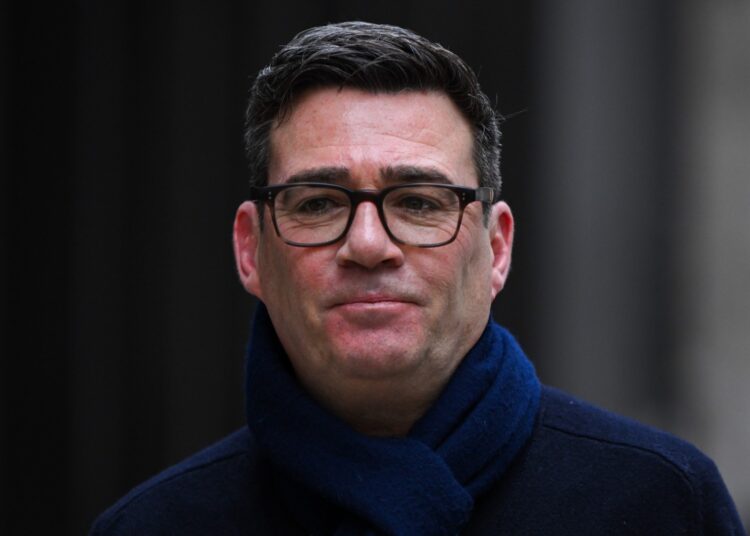
UK Prime Minister Andy Burnham has moved quickly to address the country’s cost-of-living pressures by announcing a major tax cut on electricity bills, in one of his first decisions after entering Downing Street.
The new government has confirmed that VAT on domestic electricity bills will be reduced from five percent to zero from October 1, a move expected to provide financial relief to millions of households struggling with rising energy costs ahead of the winter months.
The statement, which comes after Burnham promised to offer families “breathing space” as households continue to cope with the effects of high living expenses, inflation, and rising energy prices, is one of his first significant interventions since taking office as Prime Minister.
The immediate action, according to the administration, is intended to ease the burden on household budgets while assisting in the control of inflation. Customers will be able to take advantage of cheaper electricity bills during the colder months when energy use usually increases thanks to the policy, which will be implemented prior to the next Ofgem energy price cap.
The cost of implementing the VAT reduction for the current financial year will be funded through the cancellation of the government’s Digital ID programme, which had been expected to cost approximately £1.8 billion over three years.
According to UK government, any future energy-related measures will be taken into account during the Budget along with an updated economic forecast from the Office for Budget Responsibility (OBR), and the savings generated by terminating the program will enable the government to reallocate funds towards immediate household support.
According to UK Prime Minister Andy Burnham,“Westminster has not been working for people for too long, with families struggling with the cost of living.”

“That needs to change. I said I wanted to give people breathing space, and that’s what I’m announcing on my second day as Prime Minister. We’re taking immediate action to cut taxes on energy bills, put more money in people’s pockets and bring back hope.”
Andy Burnham
The VAT reduction is expected to lower the annual Ofgem price cap by around £45 from October, adding to the £150 reduction in energy costs announced during the previous Budget.
Following years of pressure on British consumers due to the sharp increase in global energy costs brought on by Russia’s invasion of Ukraine, the intervention has taken place. Officials also cited broader global volatility, such as the Middle East conflict, as a factor in the ongoing unpredictability of the energy markets.
The administration stated that immediate action was required to assist families that were struggling financially, even while longer-term issues will be handled through future fiscal planning.
John Healey, Chancellor of the Exchequer, stated that the strategy would reassure households getting ready for another challenging winter..
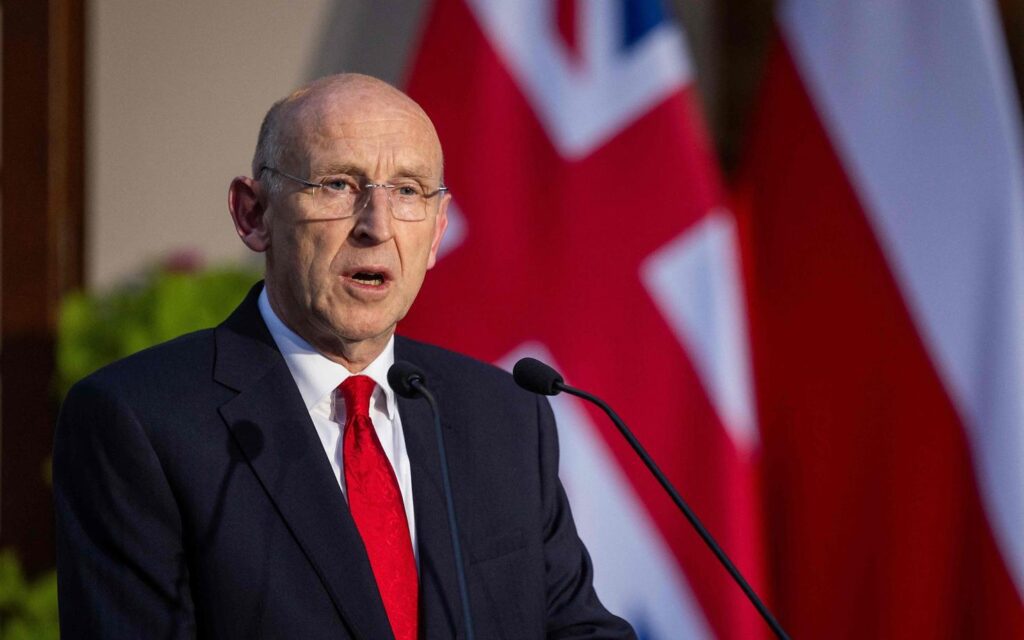
“For too long, too many people have struggled with the cost of living, Today’s energy tax cut will give families some breathing room on bills, and provide some reassurance this winter.”
Andy Burnham
He added that, “This measure is funded this year from cancelling the Digital ID programme, and it will help bring down inflation while supporting households in every postcode.”
Government Targets Inflation and Energy Costs

The electricity VAT cut forms part of Burnham’s wider effort to establish his government’s economic direction immediately after taking office.
According to government estimates, removing VAT from electricity bills will reduce the Consumer Prices Index (CPI) inflation rate by approximately 0.10 percentage points and the Retail Prices Index (RPI) by around 0.14 percentage points.
The policy is expected to cost about £850 million during the 2026-27 financial year, although the final figure will be updated during the Budget when the government presents its wider spending plans.
Energy suppliers are expected to pass the full VAT reduction on to consumers, including households on fixed tariffs. The government said suppliers had previously implemented similar reductions when £150 was removed from energy costs during the last Budget.
The support package will not only benefit households but will also extend to certain organisations and smaller businesses. Small businesses eligible for domestic energy VAT relief but not registered for VAT, as well as charities and residential care homes that qualify for reduced energy rates, will also receive support.

Concerns regarding homes in Northern Ireland, where alternative VAT procedures apply due to the terms of the UK’s exit from the European Union, have also been addressed by the government.
The European Union’s consent would be needed to implement the VAT cut in Northern Ireland because EU VAT regulations still apply to commodities, including energy. The Northern Ireland Executive will receive comparable funding to offer cost-of-living support in order to guarantee that households in Northern Ireland receive comparable assistance.
Burnham’s choice to discontinue the Digital ID initiative in order to fund the energy tax cut is probably going to serve as an early litmus test for his government’s public spending policies.
The government argues that redirecting resources towards immediate household support demonstrates a shift in priorities, moving funding away from long-term administrative projects and towards policies that directly affect people’s daily lives.
However, questions remain over how the administration intends to balance short-term relief measures with broader commitments on economic growth, public services and fiscal responsibility.
READ ALSO: Lithium Recycling Market Projected 12% Annual Compound Growth