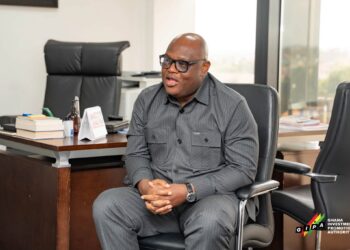
Reliable electricity supply, renewable energy integration and digital transformation will be critical to Ghana’s ambition of running a successful 24-Hour Economy, the Chief Executive Officer of the Volta River Authority (VRA), Edward E. Obeng-Kenzo, has said.
Mr. Obeng-Kenzo said the future of Ghana’s industrial growth depends on a power system that is not only available but also flexible, efficient and capable of supporting continuous operations across factories, hospitals, data centres and industrial zones.
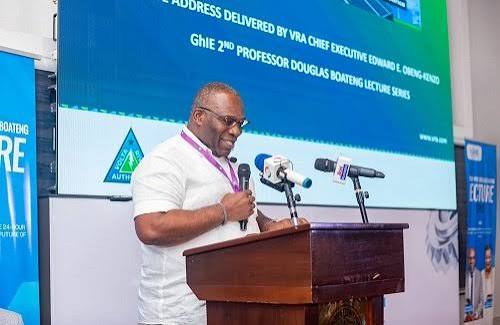
He made the remarks at the Second Professor Douglas Boateng Lecture Series organised by the Ghana Institution of Engineering (GhIE) in Accra, where he delivered a lecture on the theme: “Power Never Sleeps: VRA, The 24-Hour Economy and the Industrial Future of Ghana.”
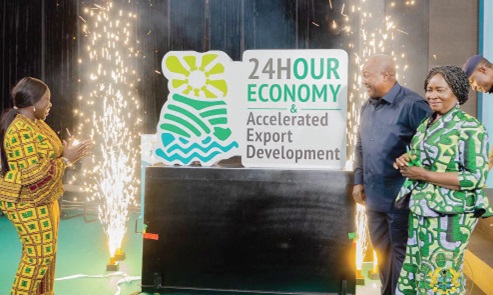
The VRA Chief Executive explained that as Ghana pursues industrial expansion under the government’s 24-Hour Economy and Accelerated Export Development Programme, the country must modernise its electricity infrastructure to match rising demand and evolving energy needs.

He emphasised that emerging technologies, including battery storage systems, intelligent grid management and digital monitoring platforms, will become increasingly important in ensuring a reliable electricity supply for businesses operating beyond traditional working hours.
The integration of renewable energy, battery storage systems, intelligent grid management and digital control platforms will become increasingly important in supporting continuous industrial operations. These technologies will help to ensure that power truly never sleeps.
Edward E. Obeng-Kenzo, Chief Executive Officer, Volta River Authority
Power as the foundation of industrial growth
Mr. Obeng-Kenzo noted that electricity remains central to economic transformation because it drives industrial production, value addition and job creation.
He said Ghana’s ability to expand manufacturing, strengthen local industries and attract investment will depend heavily on the availability of affordable and dependable power.
According to him, the success of the 24-Hour Economy initiative will require an energy system capable of supporting uninterrupted operations across key sectors of the economy.
The 24-Hour Economy programme’s Production Transformation pillar is particularly relevant to this gathering because it focuses on developing competitive and climate-resilient production systems, strengthening agricultural value chains, and establishing industrial corridors with reliable infrastructure.
Edward E. Obeng-Kenzo
The lecture brought together senior professionals from Ghana’s engineering and energy sectors, including Rev. Dr Joyce Rosalind Aryee, who chaired the event; Executive Director of the Ghana Institution of Engineering, Dr Enyonam Kpekpena; Vice-President of GhIE, Dr Patrick Bekoe; President-elect of GhIE, Sophia Abena Tuani; and President of GhIE, Ludwig Annan Hesse, who participated virtually.
Preparing VRA for changing energy demands
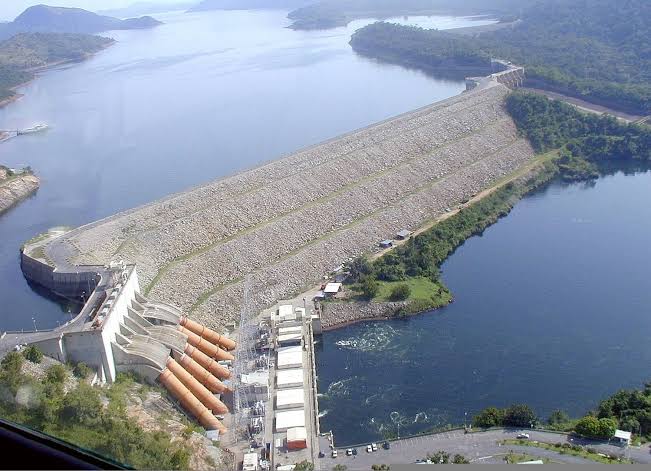
As Ghana’s electricity demand continues to rise, the VRA CEO said the Authority is undertaking measures to modernise its generation facilities, improve operational efficiency and expand renewable energy investments.
He explained that the energy sector is entering a period where traditional power generation must be complemented by smarter technologies capable of improving reliability and responding to changing consumption patterns.
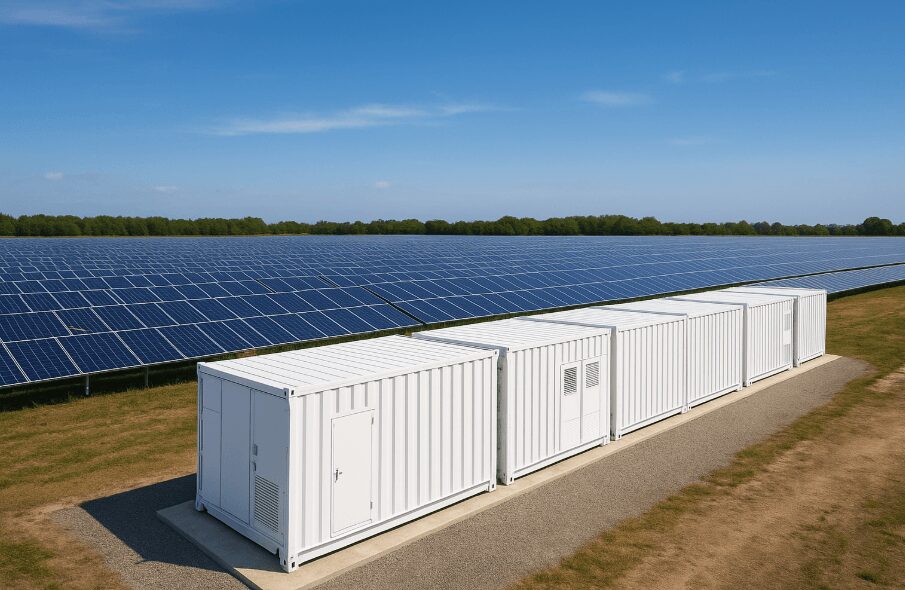
Battery storage, he said, will become increasingly important in managing renewable energy resources by helping to balance supply fluctuations and improve grid stability.
Digital control platforms and smart grid technologies will also allow operators to monitor electricity systems more effectively, identify challenges quickly and improve decision-making across the power value chain.
The shift towards smarter energy systems reflects a broader global transformation in electricity management, where countries are increasingly combining renewable generation with digital infrastructure to create more resilient power networks.
Challenges confronting the power sector
Despite ongoing investments, Mr. Obeng-Kenzo acknowledged that Ghana’s electricity sector continues to face several challenges.
He identified high energy costs, revenue shortfalls, limited renewable energy penetration, infrastructure constraints and system losses as some of the major issues affecting the sector.
These challenges have implications for industrial competitiveness because electricity prices and reliability directly influence the cost of production and investment decisions.
For businesses, especially manufacturers, inconsistent power supply can increase operational costs, reduce productivity and affect their ability to compete in regional and international markets.
Addressing these issues, therefore, requires coordinated efforts across generation, transmission, distribution and financial management within the electricity sector.
Supporting regional energy security
Beyond Ghana’s domestic energy needs, the VRA Chief Executive highlighted the importance of reliable electricity to regional cooperation through the West African Power Pool.

According to Graphic Online, he noted that a stronger electricity system would support regional integration by enabling countries to exchange power resources and improve energy security.
Ghana’s role within regional electricity markets depends on maintaining a stable and efficient power sector capable of supporting both national development and cross-border energy cooperation.
The road ahead
The push towards a 24-Hour Economy places renewed attention on the need for long-term planning within Ghana’s energy sector.
While increasing generation capacity remains important, industry experts have increasingly stressed that future energy security will depend on how effectively countries integrate technology, improve efficiency and manage demand.
For Ghana, the challenge is not only producing more electricity but ensuring that power reaches industries, businesses and households in a reliable and sustainable manner.
The VRA’s focus on renewable energy, storage solutions and digital systems reflects a broader effort to prepare the country’s electricity sector for the demands of a more industrialised economy.
As Ghana works towards expanding manufacturing and strengthening its position as a regional economic hub, the ability to deliver dependable power will remain one of the most important measures of success.
For Mr. Obeng-Kenzo, the future of Ghana’s industrial transformation depends on building an electricity system that is ready to operate continuously, because without reliable power, a true 24-Hour Economy cannot exist.
READ ALSO: BoG Applauds IMF, World Bank for Banking Transformation