Ghana Chamber of Mines has articulated a transformative vision for the regional extractive industry, emphasizing that the future of mining in West Africa must pivot from raw extraction toward robust value addition and integrated energy development to ensure long-term prosperity.
By shifting the focus to local processing and refining, the region seeks to capture a greater share of the economic benefits typically lost to foreign markets, while simultaneously fostering internal industrial growth.
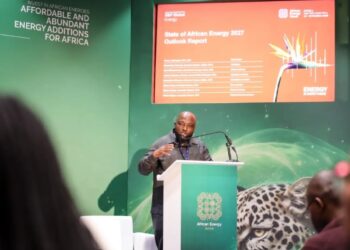
“The future of mining in West Africa will not be defined solely by extraction; it will be defined by who adds value, who controls supply chains, who processes and refines minerals, and who can provide reliable, affordable power to support industrial growth.”
Ing. Ken Ashigbey, CEO of the Chamber of Mine
This strategic shift arrives at a pivotal moment, as the industry faces intensifying scrutiny regarding the management of natural resources and the urgent need for sustainable economic diversification.
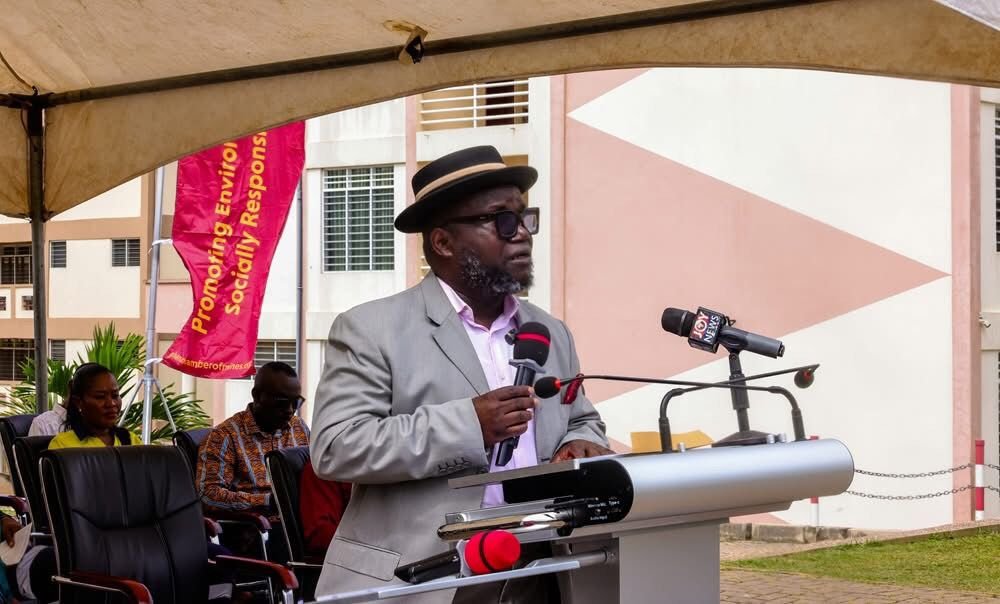
By prioritizing local value chains, West African nations can move beyond the traditional “extract and export” model, instead leveraging their vast mineral wealth to stimulate domestic manufacturing, create high-quality employment, and build a more resilient economic foundation that is less susceptible to the volatility of global commodity prices.
Strengthening Investor Confidence through Policy Stability
The Chamber’s proactive stance is underscored by recent government assurances that have served to calm the industry following concerns over potential policy shifts.
During the 19th West African Mining and Power Expo (WAMPEX) on June 3, 2026, the Minister for Lands and Natural Resources definitively ruled out the nationalization of mines, a move that the Chamber of Mines described as a “strong signal” of Ghana’s commitment to a predictable investment climate.
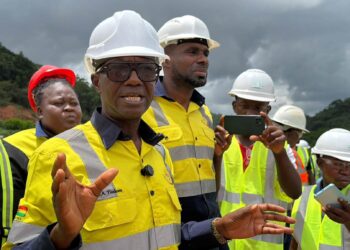
Addressing the concerns of stakeholders regarding the renewal of mining leases, Ing. Ken Ashigbey, CEO of the Chamber, noted that such critical matters are now being handled with procedural clarity.
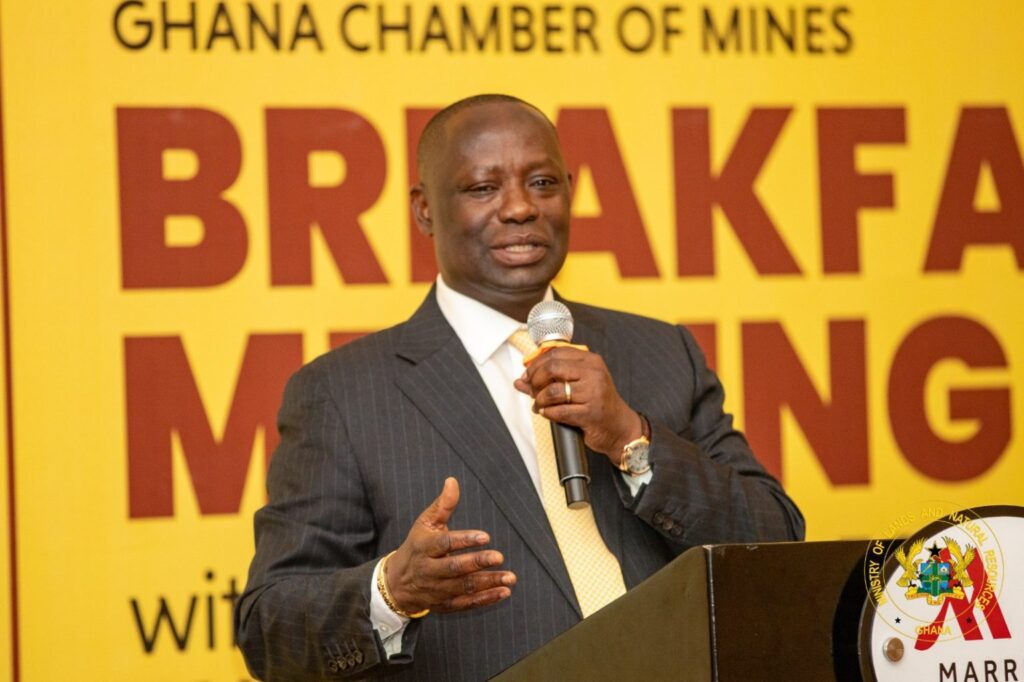
He explained that “mining lease matters will be addressed on a case-by-case basis in accordance with the laws of Ghana,” which provides a necessary buffer against the uncertainty of broad policy changes.
This emphasis on rule-of-law-based governance is crucial for attracting the long-term capital required to build the refineries and processing plants that define the new era of value-added mining.
Driving Economic Transformation Through Local Processing
Value addition acts as the primary engine for converting mineral wealth into structural economic development.
By investing in smelting, refining, and the local manufacturing of mineral-based products, West African nations can move up the global value chain.
This transition does more than just increase export revenue; it fosters the development of secondary industries, such as infrastructure and construction, which rely on processed materials like steel, refined gold, and processed bauxite.
Furthermore, local processing facilitates the transfer of technical skills, enhancing the domestic workforce’s capacity to manage complex industrial operations.

As noted by industry experts, the integration of mining with energy production is a prerequisite for this industrialization.
When mining companies provide or support reliable power ecosystems, they not only improve their own operational efficiency but also catalyze growth in other sectors of the economy that are currently stifled by energy deficits.
Addressing Regional Stability and Inclusive Growth
Beyond the mechanics of extraction and processing, the industry is increasingly focused on the environmental, social, and governance (ESG) performance of the sector.
Ing. Ashigbey highlighted that the future of the industry also relies on maintaining a commitment to dignity and cooperation. He took a strong stand against recent xenophobic incidents, stating that “such acts are unacceptable and contrary to the values of dignity, inclusion and cooperation.”
He emphasized that while the industry must address these social challenges, it must remain anchored in the “strong and enduring diplomatic and economic relationship” between African nations.
By fostering an environment that is inclusive for all nationals and dedicated to transparent, equitable resource management, the West African mining sector can secure its “social license to operate.”
Ultimately, as stakeholders converge at forums like WAMPEX to discuss fiscal regimes and supply-chain resilience, the goal remains clear: to transform the continent’s mineral endowment into a legacy of industrialization, regional power security, and shared socio-economic prosperity.
READ ALSO: Court Concludes Wontumi’s Samreboi Galamsey Trial, Sets Verdict for July 3