
A phased ban on a chemical commonly found in gel nail polishes took effect across Great Britain this weekend, prompting nail salons and beauty brands to accelerate the shift toward alternative formulations.
From 15 August 2026, manufacturers and importers can no longer place new cosmetic products containing trimethylbenzoyl diphenylphosphine oxide, known as TPO, on the market in England, Scotland and Wales.
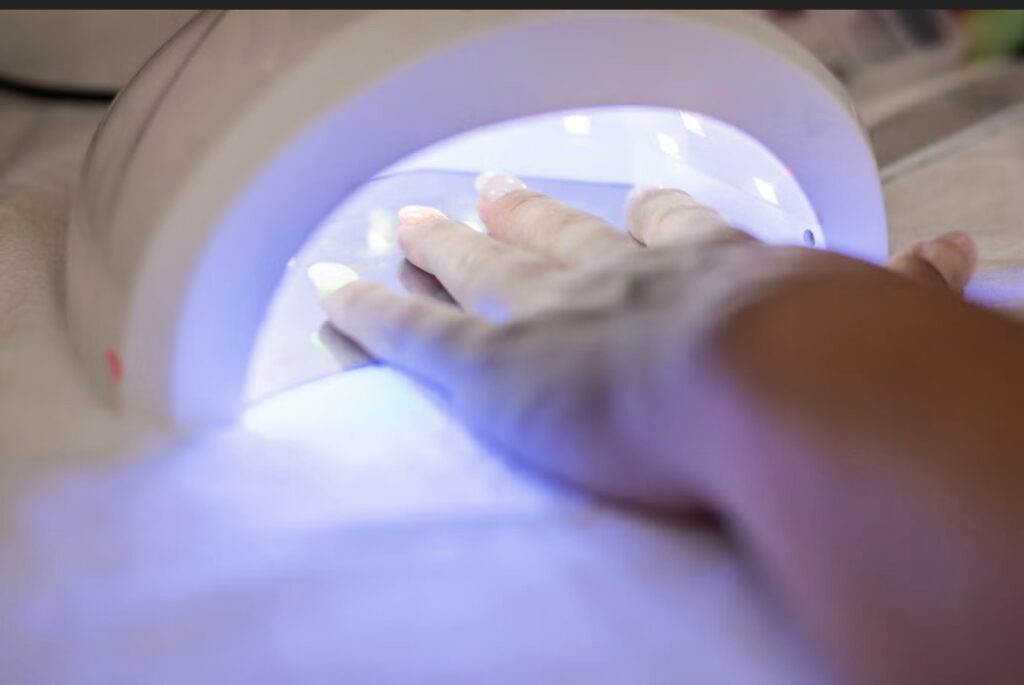
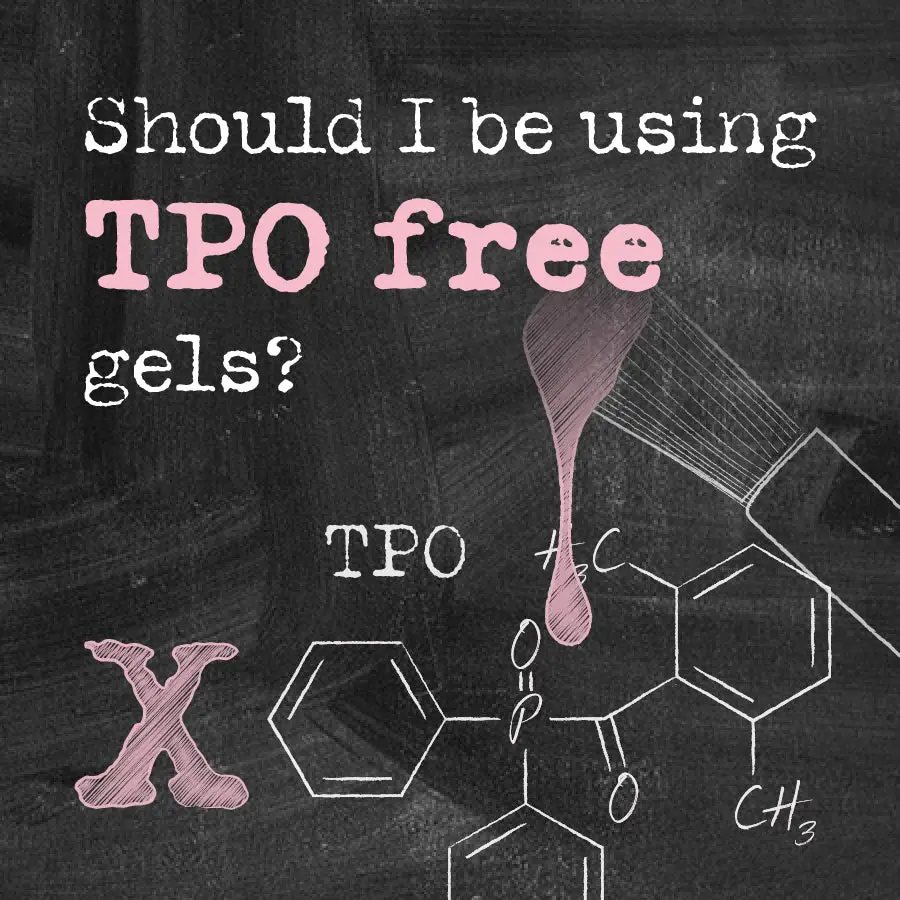
TPO is a photoinitiator, a compound that reacts under ultraviolet or LED light to trigger the hardening process in gel polishes, builder gels and similar products. It has long been valued for delivering fast curing, colour stability and durable, glossy finishes that can last weeks. Under the updated UK Cosmetics Regulation, the ingredient is now prohibited in new products.
Distributors and retailers face a later deadline of 14 February 2027, after which remaining TPO-containing stock must be removed from sale. Professional nail technicians may continue using any products they already hold after that date until supplies are exhausted.
The move follows a stricter European Union prohibition that has been in force since 1 September 2025. In the EU and Northern Ireland, which follows EU rules, products containing TPO could no longer be sold or used by professionals from that date.
The Great Britain timeline was designed to give the industry more transition time after Brexit created separate regulatory systems.
Regulators acted after TPO was reclassified as a category 1B reproductive toxicant under chemicals legislation. Animal studies at high doses indicated potential risks to fertility and reproductive health. Under both EU and UK cosmetics rules, substances classified as carcinogenic, mutagenic or toxic for reproduction are generally banned unless a specific exemption is granted.
No such exemption was sought for TPO, leading to its automatic prohibition in cosmetics.
Public Reaction
Industry bodies have stressed that the decision rests on a precautionary “worst-case” assessment rather than evidence of harm at the concentrations used in nail products. The Cosmetic, Toiletry and Perfumery Association has noted that the amount of TPO typically present is more than a thousand times lower than levels associated with adverse effects in studies, and that the ingredient is applied to the nail plate rather than absorbed in significant quantities through skin.
An earlier review by the Scientific Committee on Consumer Safety had concluded that TPO was safe in nail products at concentrations up to 5 per cent. The reclassification under broader chemicals rules nevertheless triggered the ban.
Headlines describing a “gel nail ban” have circulated widely, but the restriction applies only to one ingredient. Gel manicures, BIAB treatments and other UV- or LED-cured services remain fully legal provided the products used are TPO-free.
Many manufacturers had already begun reformulating in anticipation of the EU rules and have introduced alternatives such as TPO-L, another photoinitiator with a different safety profile. Traditional air-dry nail polishes never contained TPO and are unaffected.
Salon owners and technicians face practical adjustments. Those who stocked up on TPO products before the deadlines can continue offering services with existing inventory. After February 2027 they will need to source compliant alternatives. Clients may notice little difference in the finished look or longevity of their manicures once the industry completes the switch.
Some brands have marketed TPO-free ranges as both safer and performance-equivalent, citing laboratory tests showing comparable curing times and adhesion.
The ban does not extend to non-cosmetic uses. TPO continues to appear in certain dental materials, industrial coatings, inks and 3D-printing resins, where different regulatory frameworks apply. Public discussion has also touched on wider concerns about chemicals in beauty products, including occasional reports of skin reactions or nail damage linked to gel systems more generally.
Dermatologists have long advised that acrylates in some formulations can cause allergic contact dermatitis in sensitive individuals, an issue separate from the TPO classification.
In countries outside the EU and UK, including the United States, Australia and much of Asia, TPO remains permitted in cosmetics for now. Global brands that sell into multiple markets have nevertheless moved toward unified TPO-free formulas to simplify production and supply chains.
Social media posts highlighting the UK and EU actions have urged consumers elsewhere to check ingredient lists and consider the longer-term regulatory direction.
For consumers, the practical advice is straightforward. Ask salons whether their gel products are TPO-free, or look for the ingredient name “Trimethylbenzoyl Diphenylphosphine Oxide” on packaging. After the February 2027 deadline, newly purchased professional products in Great Britain should no longer contain it. Home users of gel kits should similarly check labels and opt for reformulated versions where available.
The change reflects a broader trend in cosmetics regulation toward stricter scrutiny of substances classified as hazardous under chemicals law, even when exposure from intended use is low. While the industry has adapted quickly and alternatives are already on the market, the episode has drawn renewed attention to the chemicals that help create the long-lasting manicures popular with millions of people.
Nail services will continue uninterrupted, but the formulations behind the glossy finish are evolving.
READ ALSO:Afenyo-Markin Alleges Grand Conspiracy by Baffoe-Bonnie to Remove Torkornoo