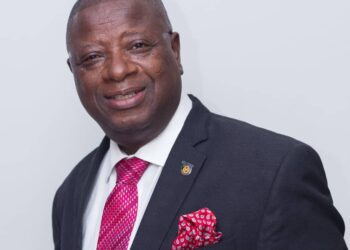

Private Legal Practitioner and Civil Activist Osagyefo Oliver Barker-Vormawor has criticized what he describes as deep indiscipline within Ghana’s public sector, following comments from Roads and Highways Minister Governs Kwame Agbodza questioning why he personally has to visit construction sites to uncover poor contractor performance.
Barker-Vormawor’s remarks came as a direct response to the Roads Minister’s public frustration with Highways Inspectors over their failure to flag substandard work through official channels.
“I really feel for Kwame Agbodza. In what sane country does it take the Minister himself, the policy maker, to be the one doing the site visits and realizing shoddy work?” Barker-Vormawor wrote, expressing sympathy for a minister forced into a role he argues should belong to technical inspectors rather than the country’s top policymaker.
Barker-Vormawor’s comments follow a query Hon. Agbodza directed at Highways Inspectors, in which the Minister asked why he must be the one visiting sites to discover poor performance among contractors, rather than receiving that information through the inspection reports his ministry is supposed to generate.
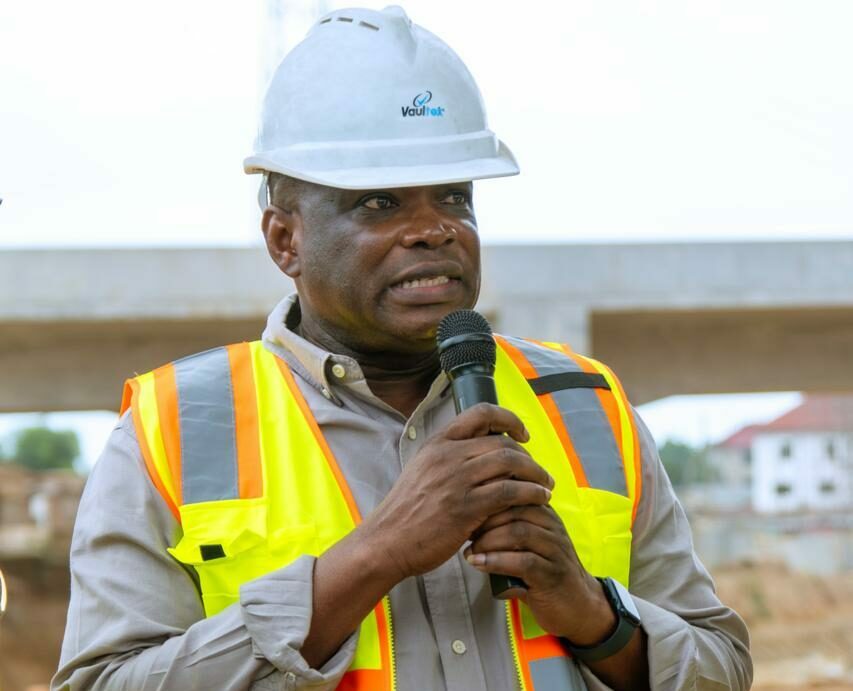
Hon. Agbodza’s question pointed to a breakdown in the basic reporting chain meant to keep ministers informed without requiring their direct physical presence at every project site.
This breakdown forms the backdrop for Barker-Vormawor’s broader critique, which moves beyond the specific incident involving Hon. Agbodza to raise questions about the structural health of Ghana’s public institutions more generally.
Questioning Where the Real Problem Lies
Barker-Vormawor argued that the underlying issue extends well beyond a minister’s need to conduct site visits himself. “This is how we want to build a country?” he asked, before identifying what he considers the actual tragedy at the heart of the matter.
“Yet the real tragedy is not that Agbodza is visiting sites; the real tragedy is that there is no accountability and those officials continue to earn their keep, their pension and their chobo at the expense of the Ghanaian tax payers and their minimum expectations of dignity.”
Osagyefo Oliver Barker-Vormawor, Legal Practitioner and Activist
By shifting focus away from the minister’s individual actions and toward the officials responsible for the failed inspections, Barker-Vormawor framed the episode as evidence of a system that allows underperformance to continue without consequence, even as those responsible continue drawing salaries and benefits funded by taxpayers.
A System He Describes as Rotten
Barker-Vormawor extended his critique into a broader assessment of governance in Ghana, invoking a familiar definition of dysfunction to describe the pattern he sees repeating across public institutions.
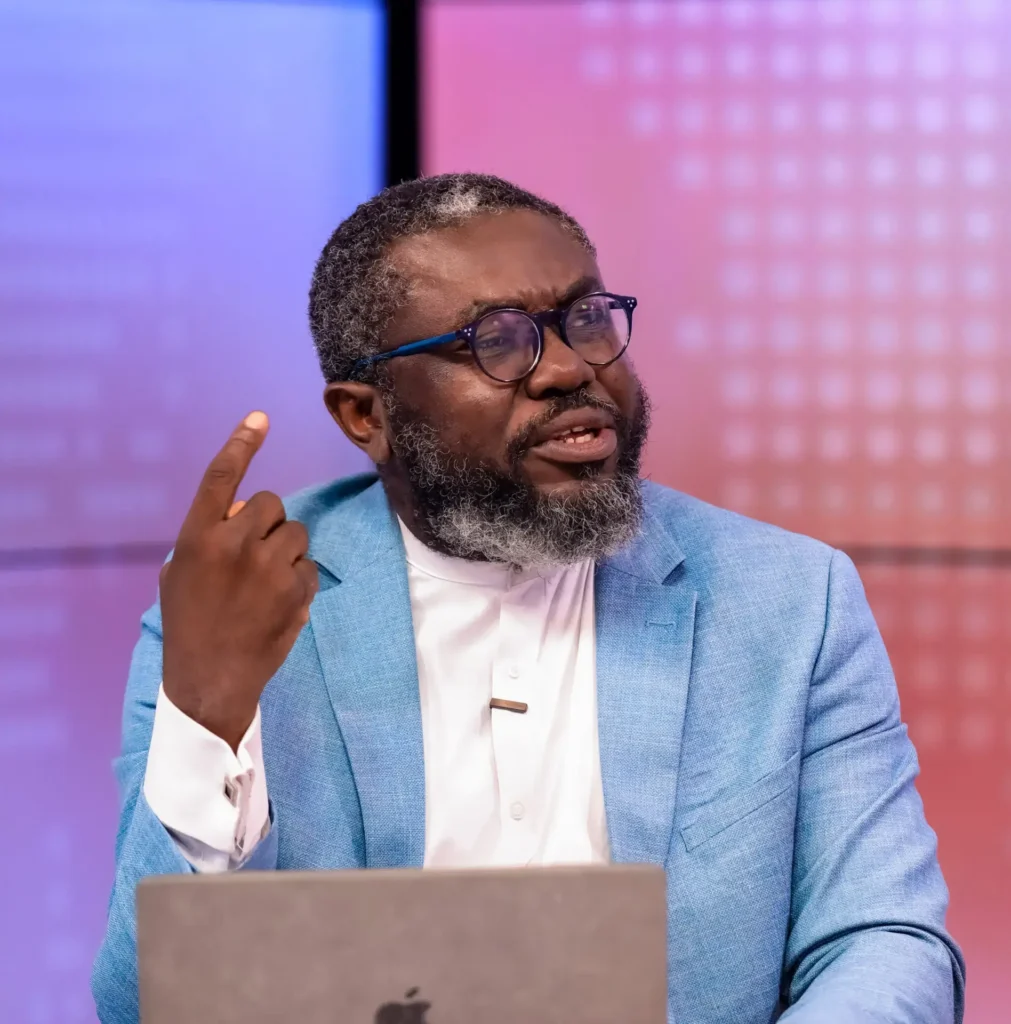
“Governance is madness if we do the same things over and over again and expect different results,” he wrote, arguing that the system itself has become rotten and that indiscipline within the public sector has grown too widespread to address through minor adjustments.
This assessment positions the Agbodza episode not as an isolated failure but as a symptom of a larger institutional problem, one Barker-Vormawor suggests reflects a pattern of behavior that governance efforts have so far failed to correct.
A Call to Uproot Rather Than Manage
Central to Barker-Vormawor’s argument is a distinction between managing dysfunction and actually eliminating it. He insisted that any genuine reset of Ghana’s public sector cannot simply involve managing existing problems on the margins.
“True reset cannot be managing the rot. It must mean we uproot this dysfunctional system root and stem,” he wrote, calling for a far more fundamental overhaul than incremental fixes typically applied to individual cases of poor performance.
This framing suggests Barker-Vormawor views piecemeal interventions, such as a minister personally inspecting sites or issuing pointed questions to inspectors, as insufficient responses to a problem he believes runs much deeper within the structure of public sector accountability itself.
What the Exchange Reveals About Oversight Gaps
Taken together, Agbodza’s original complaint and Barker-Vormawor’s response point to a recurring challenge within Ghana’s public institutions, the gap between the existence of oversight roles and their actual execution.
Highways Inspectors exist precisely to identify and report contractor shortcomings before they require ministerial intervention, yet the Roads Minister’s public frustration suggests that the reporting chain failed to function as intended in this instance.

Barker-Vormawor’s broader commentary raises the question of how many similar gaps may exist across other public institutions, where officials draw salaries and pensions for oversight functions that, according to his critique, are not being reliably performed.
Whether Barker-Vormawor’s call for a fundamental uprooting of Ghana’s public sector culture gains traction beyond this specific incident remains to be seen.
His comments add to an ongoing public conversation about accountability within government institutions, one that this latest episode involving road inspections and a frustrated minister has once again brought into sharp focus.
READ ALSO: Ghana’s Economic Recovery Enters New Growth Phase