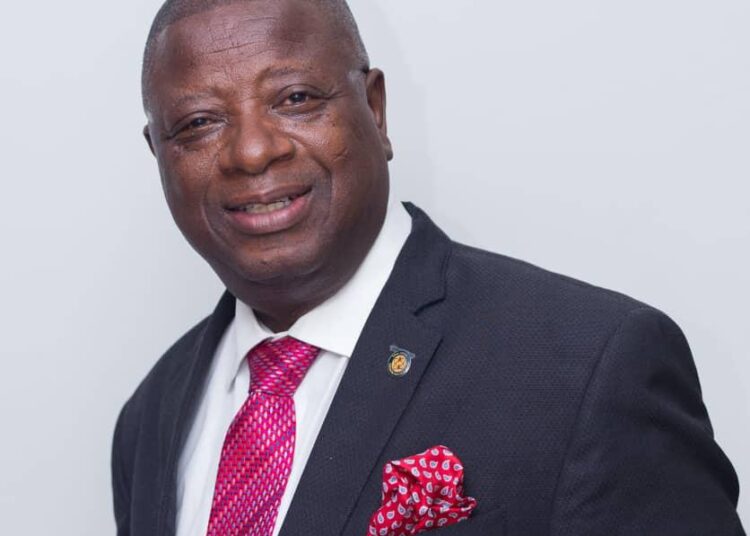
The Governing Council Chairman of KAAF University, Professor Omane Antwi, has called for a renewed emphasis on ethics in the training of law professionals, arguing that Ghana’s legal education system must produce lawyers who are not only technically competent but grounded in strong values capable of restoring public trust in the profession.
Speaking on the University’s approach to legal training, Prof. Antwi said the institution has deliberately built ethics into its law programme, describing the move as a direct response to what he characterised as a growing erosion of public confidence in lawyers across the country.
According to Prof. Antwi, the decision to strengthen the ethical component of KAAF’s law curriculum was informed by a broader concern that the legal profession in Ghana has, in recent years, struggled to command the level of public confidence it once enjoyed.
He said this concern shaped the University’s decision to weave values-based training into the academic journey of its law students from the outset.
“Nowadays people don’t seem to trust lawyers too much, and that is why we have added ethics to the programme
Professor Omane Antwi
He said the goal was to ensure that students who pass through KAAF’s law programme carry a consistent thread of integrity from their academic training into their professional practice.
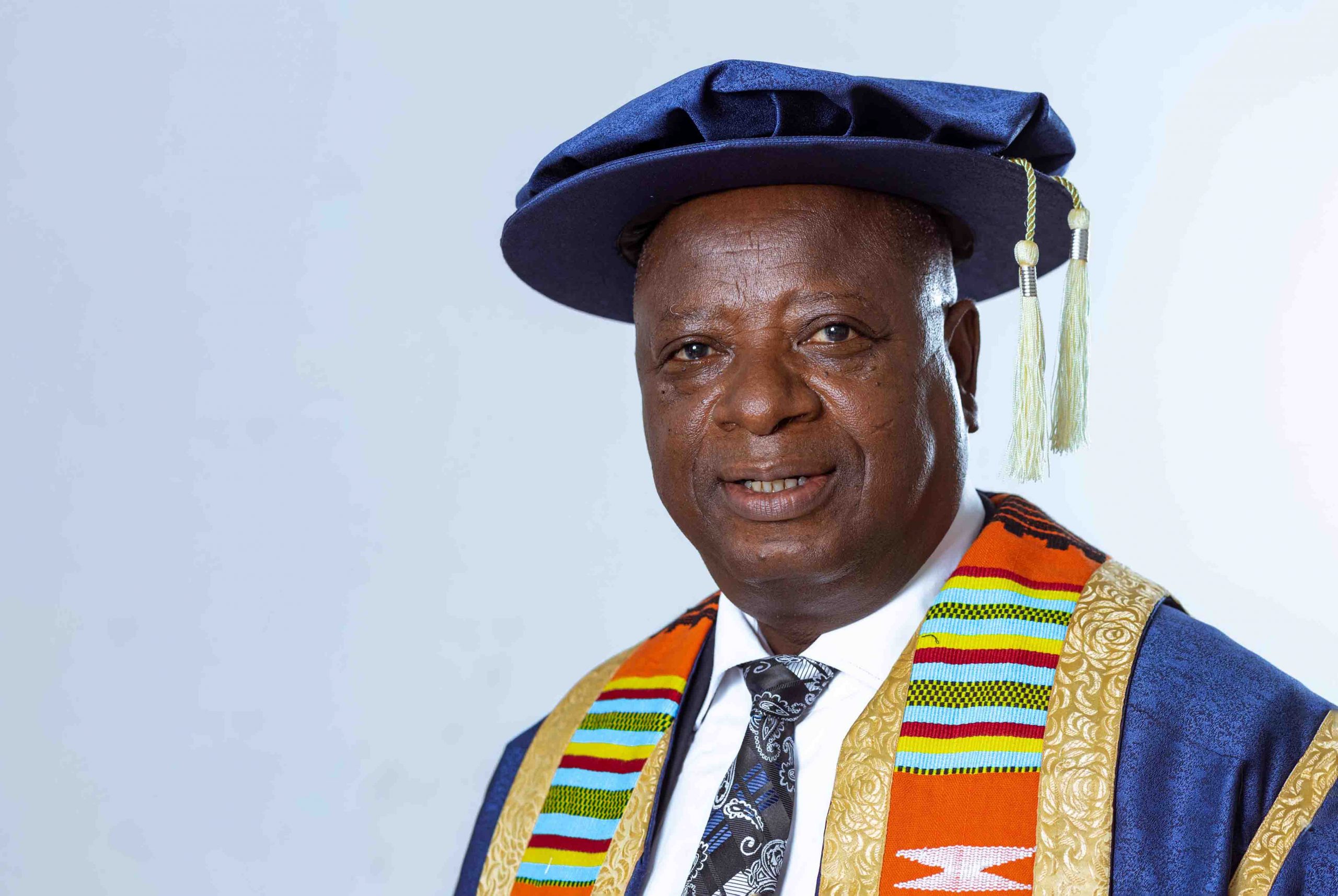
In his view, authenticity ought to accompany lawyers at every stage of their development, from their initial legal education through to full professional practice, so that the values instilled early are not abandoned once they enter the field.
Leadership Deficit Rooted in Erosion of Values
Prof. Antwi extended his argument beyond the legal profession, linking Ghana’s broader leadership challenges to a shortage of individuals grounded in strong personal and professional values. He argued that the country does not simply need more leaders, but leaders whose authority is matched by authenticity and principle.
He described authentic leadership as leadership rooted in genuine values rather than positional authority alone, suggesting that many of the governance and institutional challenges confronting Ghana stem from a broader deficit in value-driven leadership.
For him, producing professionals who embody these qualities is one practical way institutions of higher learning can contribute to addressing the country’s leadership gap.
“The challenge of this country is leadership, and the challenge is that we don’t have enough leaders who truly hold on to values
Professor Omane Antwi

Law Training As A Vehicle For National Development
Prof. Antwi argued that lawyers, given the influence they wield in society, business and governance, are particularly well positioned to translate value-driven training into broader national benefit.
He said that if universities succeed in producing lawyers anchored in strong ethical foundations, the effects of that training would extend well beyond individual careers, shaping how these professionals engage with society at large.
He expressed confidence that graduates who internalise these values during their training would carry that experience into their professional lives and, by extension, contribute meaningfully to national development.
This, he said, was central to KAAF University’s broader ambition for its law programme, to produce graduates who distinguish themselves not only through legal competence but through the integrity they bring to their practice.
Broader Institutional Commitment
While Prof. Antwi’s remarks centred specifically on the training of law professionals, they reflected a wider institutional philosophy at KAAF University, one that positions ethics and values as central, rather than peripheral, to professional education.
His comments suggest that the University views the cultivation of authentic leadership as part of its core mandate, not an auxiliary add-on to technical instruction.

As Ghana’s legal sector continues to grapple with questions of public trust and professional accountability, Prof. Antwi’s remarks add to an ongoing national conversation about the role universities can play in shaping not just skilled professionals, but principled ones.
His comments position KAAF University’s law programme as a deliberate attempt to address that gap, one cohort of ethically grounded graduates at a time.
READ MORE: Ghana Urges Africa to Harmonise Medical Regulation for Digital Healthcare Technologies