Ghana is looking to deepen its position in West Africa’s electricity market by turning cross-border power trade into a more deliberate part of its energy-security strategy.
A proposed arrangement with Nigeria, under which Nigerian gas could support electricity generation in Ghana while Ghana supplies power back to Nigeria, offers a glimpse of that ambition.
But the more consequential issue for Ghana is whether its power system can evolve from one that primarily serves domestic demand into a regional platform capable of moving electricity reliably and profitably across borders.
The government says Ghana already supplies electricity to Togo, Benin and Burkina Faso, creating an existing foundation for wider regional trade.
The next challenge is to expand that role without allowing export commitments to compete with the country’s own industrial and household electricity needs.
“Regional electricity exports would not be allowed to undermine Ghana’s domestic electricity requirements,”
Deputy Minister for Energy and Green Transition Richard Gyan-Mensah
That condition is important because regional power trade only becomes an energy-security asset when Ghana has sufficient capacity to serve its own economy first.
Moving Beyond Domestic Power Planning
For years, Ghana’s electricity debate has largely focused on generation adequacy, tariffs, distribution losses and the financial sustainability of the power sector.
Regional electricity trade introduces another dimension.
Instead of treating excess generation as something that must simply be absorbed domestically, Ghana can potentially monetise available capacity by supplying neighbouring markets when demand and system conditions allow.

That creates an opportunity to improve the utilisation of generation assets and generate additional revenue for the electricity value chain.
However, it also changes the requirements placed on the national grid.
Electricity cannot be traded simply because generation exists. Transmission corridors must have sufficient capacity, power must be available when contracted, and cross-border transactions must be supported by payment and settlement arrangements that protect generators and utilities.
Ghana’s regional ambitions therefore depend as much on transmission investment and sector financial reform as they do on adding new generating capacity.
The government estimates that about $10 billion will be required for generation and transmission investments through 2040 under the country’s Generation and Transmission Master Plan.
That investment requirement provides the bigger context for the Nigeria proposal.
The question is no longer simply whether Ghana can produce more electricity. It is whether the country can build the infrastructure and commercial systems needed to move that electricity to where it creates the greatest economic value.
Nigeria Could Become Part Of Ghana’s Fuel-Security Strategy
The proposed Nigeria arrangement is also notable because it links two markets that possess different energy strengths.
Nigeria has substantial natural gas resources, while Ghana has developed a relatively diversified electricity-generation system and established connections to neighbouring power markets.
Using Nigerian gas to support Ghanaian generation could provide another source of fuel for thermal plants, while electricity exports could create a commercial return from Ghana’s generation and transmission infrastructure.
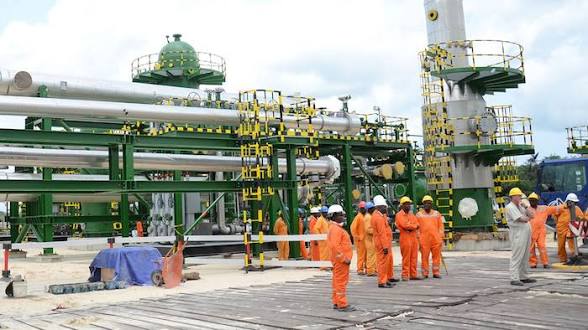
The arrangement, if developed, would therefore be less about a simple exchange of gas for electricity and more about linking two parts of a regional energy system.
For Ghana, this could provide additional flexibility at a time when the country is trying to reduce its vulnerability to fuel-supply disruptions.
Natural gas already occupies an important position in Ghana’s electricity mix, particularly because thermal generation provides the flexibility required to complement hydropower and an expanding renewable fleet.
Greater access to regional gas resources could strengthen that flexibility.
But it would also introduce another external dependency.
Ghana would need to ensure that regional gas arrangements complement, rather than displace, investment in domestic gas production, processing and transportation infrastructure.
The strongest energy-security strategy would be one in which Ghana has several sources of supply rather than simply replacing one dependency with another.
Transmission May Determine How Far Ghana Can Go
The biggest constraint on Ghana’s regional power ambitions could ultimately be the grid.
The country can add generation, secure gas and sign export agreements, but none of those investments can deliver their full value if transmission capacity limits the movement of electricity.
This is particularly relevant because Ghana’s generation resources and major demand centres are not evenly distributed.
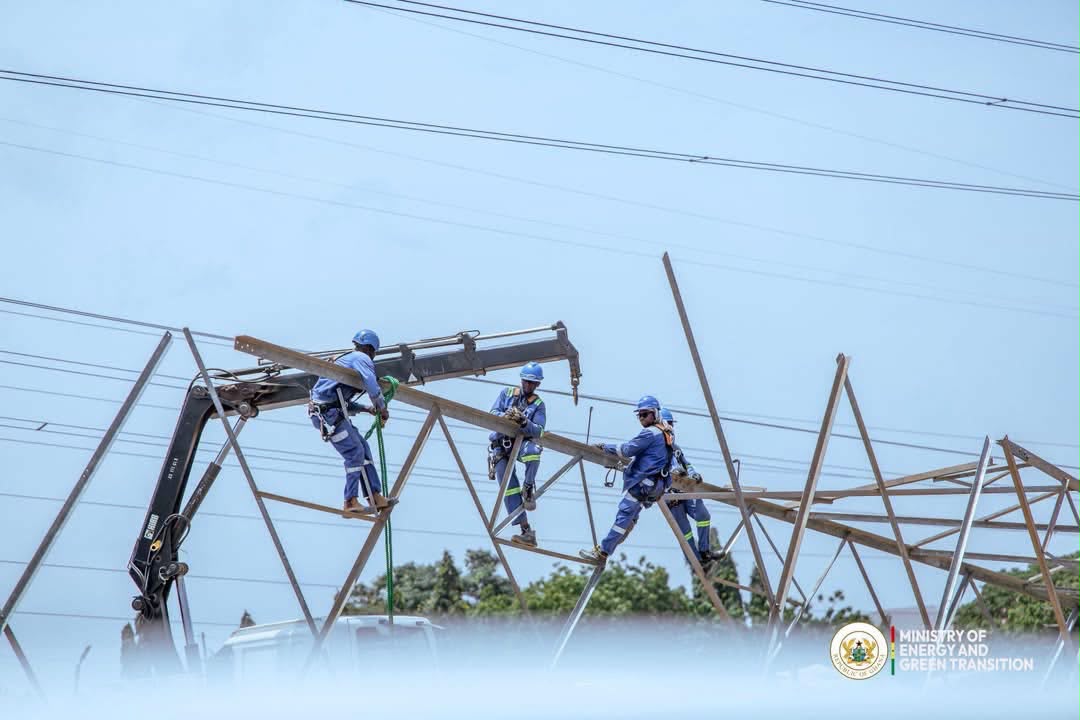
The country is also planning to increase renewable generation, including solar resources in northern Ghana, while much of the country’s industrial and commercial demand is concentrated further south.
That means transmission investment serves two purposes simultaneously: it strengthens domestic electricity reliability and creates the physical infrastructure required for regional electricity trade.
A stronger transmission network could allow Ghana to move power between regions more efficiently before sending surplus electricity across borders.
That makes grid expansion an economic investment rather than merely a technical requirement.
Industrial Demand Must Remain At The Centre
Ghana’s regional electricity ambitions also need to be measured against the country’s own industrialisation plans.
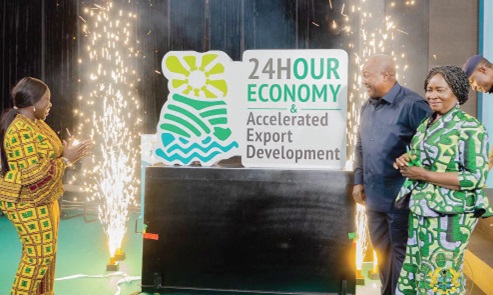
Electricity demand is expected to increase as manufacturing expands, new industrial facilities come online and initiatives such as the 24-hour economy increase the number of hours during which businesses operate.
For industry, the value of electricity is determined not only by whether it is available but also by its reliability and cost.
Regional exports could generate revenue for Ghana’s power sector, but the commercial case would weaken if domestic manufacturers continue to face high electricity costs or unreliable distribution.
The government therefore faces a policy balancing act.
Regional power sales can strengthen the financial position of the electricity sector if they generate predictable revenue.
But the same sector must become sufficiently efficient and financially stable to deliver affordable and reliable electricity to Ghanaian businesses.
The regional market should consequently complement Ghana’s industrial strategy rather than compete with it.
Regional Trade Could Change Ghana’s Approach To Energy Security
The deeper significance of the Nigeria proposal is that it reflects a broader shift in how energy security can be understood.
Energy security does not necessarily mean every country must produce every form of energy it consumes.

In an interconnected regional market, security can also come from diversification, interconnection and the ability to access neighbouring resources when domestic conditions change.
For Ghana, this could mean using domestic gas, imported regional gas, hydropower, renewable energy and electricity imports or exports as parts of one interconnected system.
Such a model could reduce the risk associated with dependence on any single fuel or generation source.
It could also improve the economics of regional infrastructure by allowing countries to share generation and transmission resources rather than independently building capacity that may remain underutilised for long periods.
But regional integration comes with its own risks.
Cross-border electricity contracts must be commercially enforceable. Payment obligations must be reliable. Transmission systems must be coordinated. And Ghana must retain enough domestic capacity to withstand disruptions to regional trade.
Without those safeguards, regional interdependence could create new vulnerabilities.
The Financial Question Cannot Be Ignored
Ghana’s electricity sector remains financially constrained, with government support still required to bridge the gap between the cost of supplying power and revenue collected.
That makes the commercial structure of regional power trade particularly important.
Exports that generate reliable foreign-exchange revenue could help improve the economics of the sector.
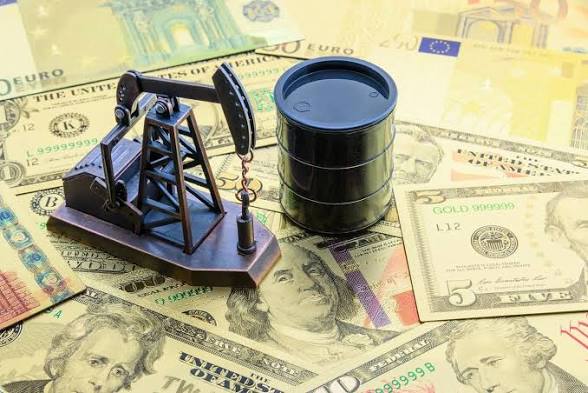
But long-term contracts that expose Ghana to payment risks, fuel-price movements or expensive infrastructure obligations could produce the opposite effect.
The country therefore needs to approach regional electricity trade as a commercial business rather than simply an extension of diplomatic cooperation.
That means determining which transactions generate sufficient returns, which infrastructure should be privately financed, and how risks should be distributed between governments, utilities, generators and investors.
Ghana’s increasing use of competitive procurement and private-sector participation in the electricity sector could provide a foundation for that approach.
From Power Surplus To Regional Energy Platform
Ghana’s established electricity exports to neighbouring countries already demonstrate that regional trade is possible.
The proposed Nigeria arrangement could take that model into more strategic territory by connecting electricity trade with natural gas supply and broader energy-security planning.
Its success, however, will not be determined by the announcement of another cross-border arrangement.

It will depend on whether Ghana can simultaneously strengthen its transmission network, improve distribution efficiency, maintain financial discipline, secure diversified fuel supplies and expand generation in line with demand.
If those pieces move together, regional electricity trade could become more than an outlet for surplus power.
It could help Ghana extract greater economic value from its energy infrastructure, deepen regional integration and create additional resilience against domestic and international supply shocks.
The opportunity is significant, but the sequencing matters.
Ghana’s first objective must remain a power system capable of reliably serving its own economy.
Once that foundation is financially and technically stronger, selling electricity into a larger West African market becomes not merely an export opportunity, but another tool for strengthening the country’s energy security.
READ ALSO: Accra-Kumasi Expressway Dominates Ghana’s Economic Conversation Online, IMANI PULSE Finds