
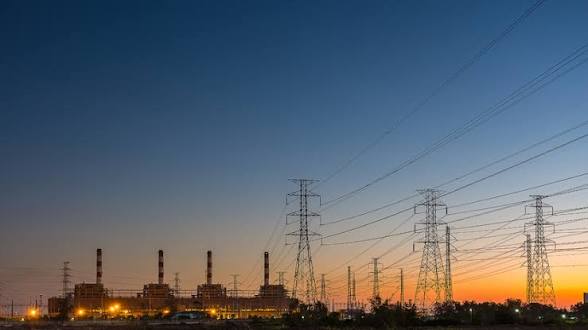
Ghana is looking to expand its electricity export market to Nigeria as government seeks to position the country as a major power supplier within West Africa, adding one of the sub-region’s largest electricity markets to an existing portfolio of cross-border power relationships.
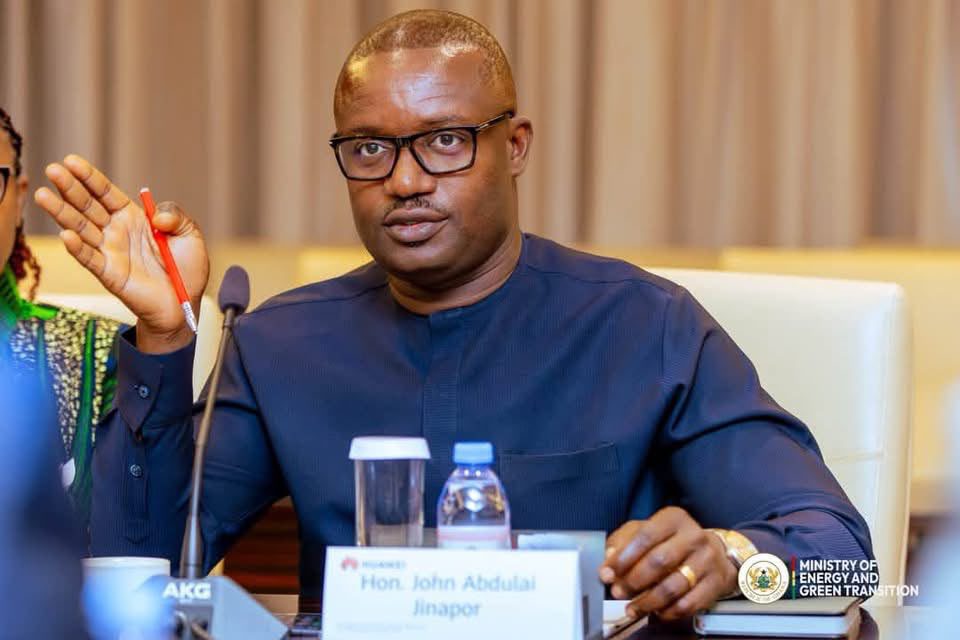
The proposal forms part of a broader ambition outlined by Energy and Green Transition Minister Dr John Abdulai Jinapor to build sufficient generation and transmission capacity to meet Ghana’s domestic requirements while creating room for increased regional electricity trade.
Ghana already has electricity interconnections and trading arrangements involving neighbouring countries including Togo, Benin, Côte d’Ivoire and Burkina Faso.
The government’s latest position would take that regional strategy further by targeting Nigeria, although no specific power purchase agreement, export volume or commencement date for such a supply arrangement has been publicly established.
Speaking on Ghana’s regional energy ambitions, Dr Jinapor said the country was working towards becoming a major electricity hub for the sub-region.
“So clearly, this falls in line with our vision, and we believe that if we can achieve this, Ghana can become an energy hub for the whole of the West African region in the shortest possible time,”
Dr John Abdulai Jinapor, Minister for Energy and Green Transition
The significance of the proposal extends beyond adding another destination for Ghanaian electricity.
A successful expansion into the Nigerian market would require Ghana to demonstrate that its power system can consistently generate surplus electricity, transmit it across increasingly interconnected networks and still protect domestic consumers from supply constraints.
That requirement is particularly important given the recent disturbances on Ghana’s electricity system.
The country experienced major nationwide outages in July and August 2026, including a disturbance associated with the Akosombo–Volta transmission corridor.
Those incidents have already triggered calls from energy-sector stakeholders for stronger transmission resilience, greater technical disclosure and investment in the national grid.
The ambition to export more electricity therefore creates a straightforward policy test: Ghana cannot credibly become a regional power hub if its own transmission system remains vulnerable to disturbances capable of affecting the entire country.
Generation Capacity Must Match Export Ambition
The Nigerian market represents an attractive opportunity because of the scale of its electricity demand.
However, regional power trade is not simply a question of having generating plants available.
Electricity exports require dependable generation, transmission capacity, interconnection infrastructure, commercial arrangements and a system capable of managing fluctuations in both supply and demand.
Ghana’s recent energy-sector direction has increasingly emphasised diversification of the generation mix.
Government has pointed to natural gas, renewable energy and nuclear power as components of a longer-term strategy for improving reliability and supporting industrial development.
The country is also pursuing significant investment under its National Energy Compact.
According to the African Development Bank and Sustainable Energy for All, Ghana is targeting a US$4.4 billion energy investment pipeline, with projects covering transmission upgrades, regional interconnections, utility-scale solar, mini-grids and distributed renewable energy. Ghana is targeting electricity access of 99% by 2030, up from 89.1%.
Those investments matter to the export strategy because regional electricity trade is only as strong as the infrastructure connecting the participating markets.
Ghana’s existing participation in the West African Power Pool provides a foundation.
The regional system is intended to allow countries to exchange electricity according to available generation and demand conditions, making it possible for power to move towards markets experiencing shortages while improving the utilisation of generation assets elsewhere.
The African Development Bank says Ghana is already expanding regional electricity trade through the WAPP, while planned investments include regional interconnections with Côte d’Ivoire, Mali and Burkina Faso.
Nigeria, however, would represent a substantially larger strategic proposition.
Nigeria Target Raises A Bigger Infrastructure Question
The immediate attraction of supplying Nigeria is obvious: a large market with persistent demand for more reliable electricity.
But Ghana’s ambition should not be interpreted as evidence that Ghana currently possesses unlimited surplus generation that can simply be redirected to Nigeria.
Nigeria itself is investing in strengthening its electricity system.

The country’s Federal Ministry of Power has acknowledged recurring grid stability challenges and announced plans for investment in transmission reinforcement, redundancy and modernised control systems.
Nigeria’s own generation and transmission reforms therefore mean Ghana would enter a market that is not merely seeking electricity, but one that is simultaneously attempting to improve domestic supply.
That makes the commercial case for Ghanaian exports dependent on competitiveness, reliability and timing.
The more important question is whether Ghana can produce electricity at a cost and reliability level that makes cross-border purchases attractive, while ensuring that exports do not create additional pressure on Ghana’s own consumers.
This is where the energy mix becomes critical.
Natural gas currently provides an important foundation for Ghana’s thermal generation, while hydro remains a major component of the country’s electricity system.
Renewable energy is expected to take a larger role as Ghana seeks to diversify its generation base, while government has also identified nuclear power as part of its longer-term energy strategy.
The combination could eventually allow Ghana to offer a more diversified regional power portfolio rather than relying excessively on one fuel source.
Energy Hub Ambition Depends On Reliability
The regional ambition is commercially attractive, but Ghana’s recent grid problems make reliability the central issue.
Power exports create value only when contracted electricity can actually be delivered.
A generating system may have sufficient installed capacity on paper while transmission constraints, fuel shortages, maintenance requirements or system disturbances prevent that capacity from being reliably dispatched.
The distinction is particularly important for industrial customers.
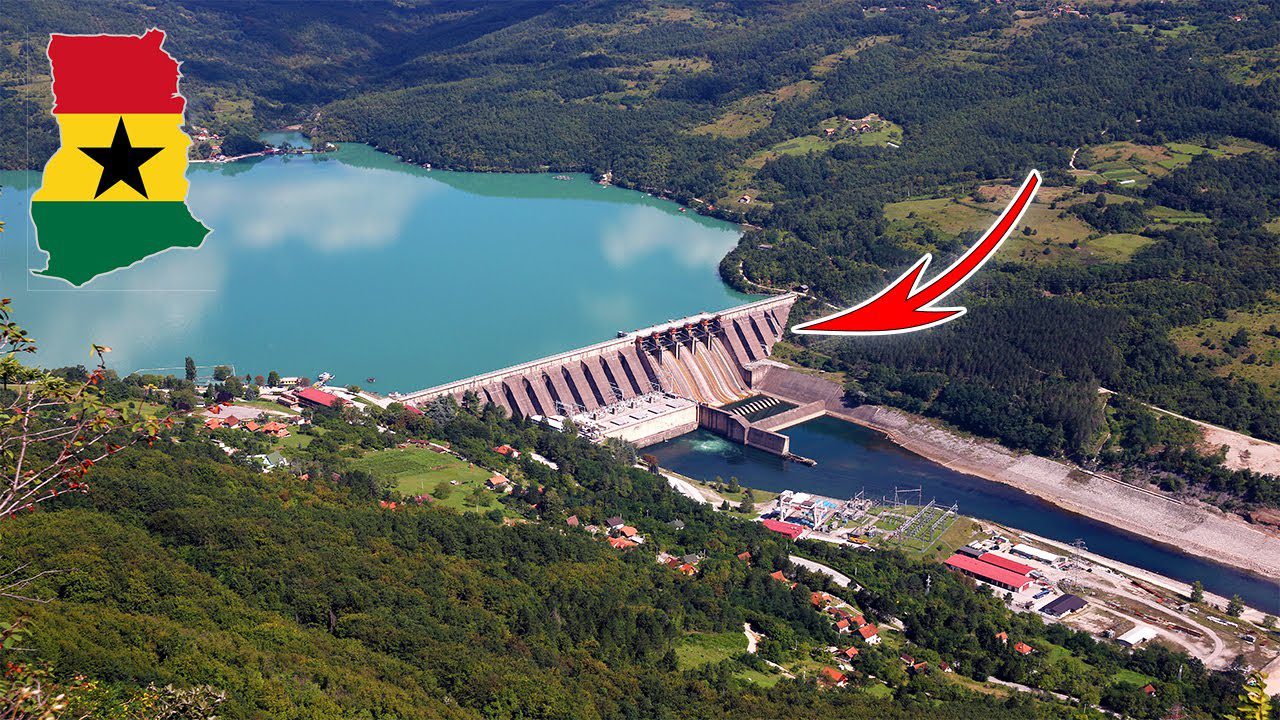
A regional energy hub cannot be defined simply by the amount of electricity generated.
It must be measured by the ability to deliver predictable power, manage cross-border flows and maintain system stability during periods of high demand or unexpected equipment failure.
Ghana’s energy authorities are therefore facing two related tasks: expanding the infrastructure required for regional trade while simultaneously strengthening the national system that supports that trade.
Recent government and development-partner discussions have already placed transmission investment and energy-sector resilience at the centre of Ghana’s reform agenda.
The National Energy Compact, for example, includes major transmission upgrades and regional interconnections among its investment priorities.
That provides a potentially important bridge between Ghana’s domestic electricity reforms and its regional export ambitions.
Exports Must Not Come Before Domestic Security
For Ghana, the strongest version of the energy-hub strategy would not be one in which electricity is exported whenever there is temporary excess generation.
It would be a system built around planned surplus capacity, stronger transmission infrastructure and a diversified generation base capable of serving both domestic and regional markets.
That distinction matters because Ghana has previously had to prioritise domestic electricity supply over exports when its own system came under pressure.

In April 2026, following an incident affecting transmission infrastructure near the Akosombo system, electricity exports to neighbouring countries were suspended temporarily as authorities prioritised national supply and grid stabilisation.
The episode demonstrates why export expansion must be accompanied by investment in system resilience.
A regional power hub that cannot guarantee domestic reliability would face a credibility problem, while aggressive export commitments without adequate reserve capacity could expose Ghana to difficult choices between contractual obligations and domestic demand.
The opportunity is nevertheless significant.
Ghana already possesses the geographic position, existing cross-border infrastructure and experience in regional electricity trade to pursue a larger role.
The country’s participation in WAPP and its existing connections with several neighbouring markets provide a base upon which a wider electricity-export strategy can be developed.

The proposed Nigerian market could therefore become an important test of whether Ghana can move from being a country that participates in regional electricity trading to one that actively shapes the West African power market.
For that ambition to become commercially meaningful, however, the next steps will need to move beyond political declarations.
Ghana will need clear transmission plans, generation additions, bankable export arrangements, adequate reserve margins and transparent evidence that domestic electricity security will not be compromised.
The idea of supplying Nigeria is therefore credible as a strategic ambition, but it is not yet an electricity export deal.
The real story now is whether Ghana can build the generation and transmission backbone required to turn that ambition into dependable regional power trade.
And that may ultimately determine whether the country becomes West Africa’s energy hub, or simply another participant in the region’s increasingly interconnected electricity market.
READ ALSO: Iran Tightens Hormuz Control As Economic Pressure Mounts