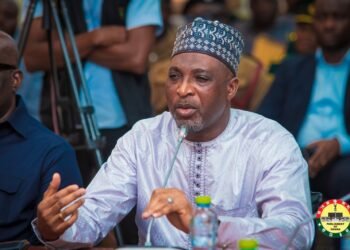
The Deputy Secretary of the New Patriotic Party, Haruna Mohammed, has dismissed the extortion allegations involving the Minority Leader, Alexander Afenyo Markin, describing them as an attempt to divert public attention from issues confronting the government. He argued that the allegations lacked sufficient weight for the NPP to treat them as a substantive matter against the Minority Leader.
Mr Mohammed explained that the party was aware of the allegations and questioned the credibility of those advancing them. From his view, the identity and record of the person making the allegation could influence how seriously such claims should be treated.
“We do not see any merit in those particular allegations because the person making the allegation is somebody that we, as a political party, do not trust. That does not give the allegation the merit to warrant our response in that particular manner.”
Haruna Mohammed
Referencing other matters that he believed deserved public scrutiny, the Deputy Secretary raised questions about the attention being given to the allegations against the Minority Leader. He mentioned a corruption related judgment in the United States and questioned why institutions including the Office of the Special Prosecutor, the Economic and Organised Crime Office and civil society organisations has not pursued the matter he referenced.
According to him, the contrast in the level of public discussion suggested that political considerations could be influencing which issues receive attention. He therefore urged Ghanaians to examine claims carefully and distinguish between allegations made for political effect and matters supported by established evidence.
The debate over the Minority Leader’s position also featured in the discussion. Mr Mohammed described suggestions that the NPP parliamentary leadership should be changed as a perception and explained that the established procedures for changing parliamentary leadership had not been activated.
He also clarified that the Minority Caucus meeting was part of the regular parliamentary process ahead of a new sitting. Although questions were raised about the allegations during the meeting, he explained that members sought clarification as part of their responsibility to understand the matter.
The meeting, he stressed, was not convened specifically to remove the Minority Leader from his position. At the end of the engagement, the caucus is still behind Afenyo Markin as its leader.
NPP Touts Party Reforms As General Secretary Seeks Another Term
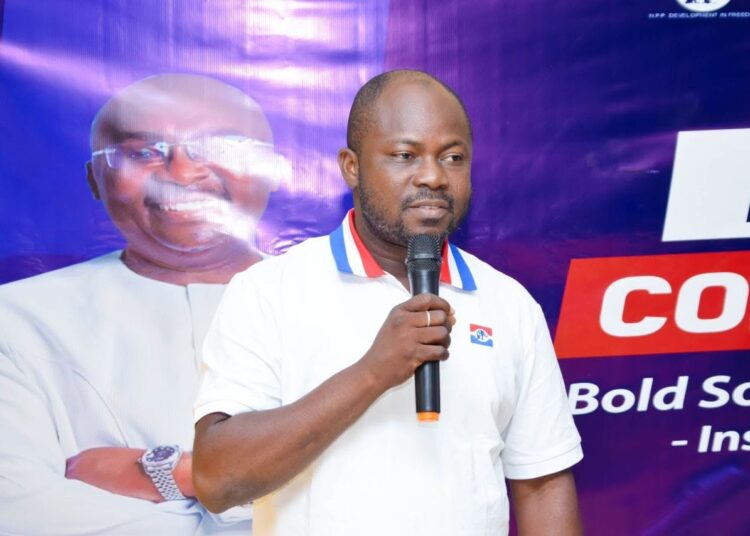
The filing of nominations by Justin Koduah Frimpong provided another major focus of the party’s engagement, with the NPP Deputy Secretary highlighting the support shown by party executives. He reported that regional and constituency executives from Greater Accra joined other party representatives to accompany the General Secretary when he submitted his nomination forms.
According to Mr Mohammed, the turnout demonstrated the relationship Koduah has built with party executives during his first term. He noted that several of those supporting the nomination were executives who have been newly elected to manage the party’s affairs for the next four years.
The Deputy Secretary linked the support to the work undertaken within the party’s organisational structures. He explained that the leadership concentrated on strengthening party institutions and establishing systems intended to improve the administration of the NPP.
Digital transformation has also been identified as a major component of the party’s work. Mr Mohammed explained that digital platforms have been used to improve fundraising, information management and access to opportunities within the party.
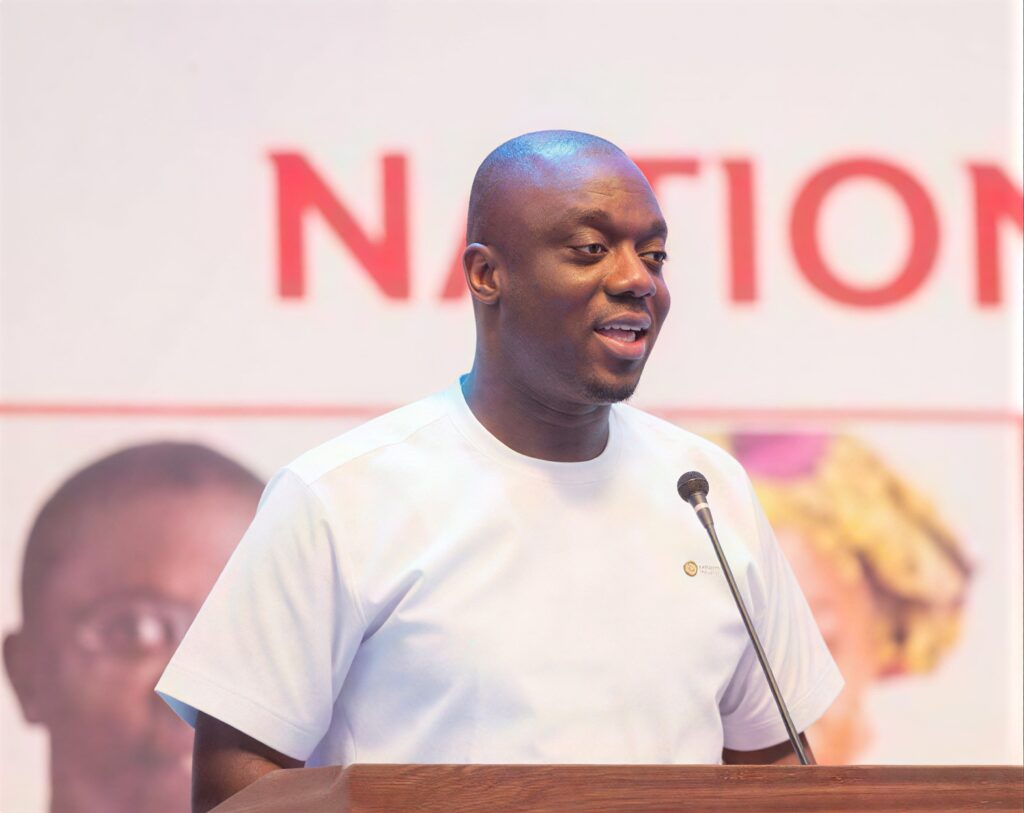
The use of technology, he suggested, is to modernise party operations and make internal processes more efficient. Such changes have been presented as part of the reasons the party executive believes Justin Koduah Frimpong deserves another opportunity to serve as General Secretary.
Beyond technology, internal democracy is another area highlighted in the assessment of his tenure. The Deputy Secretary explained that structures have been developed to allow members to participate in party activities and accept responsibilities within the organisation.
He also connected the nomination exercise to the changing composition of the party’s executive structures. New constituency and regional officials are now part of the leadership base that will participate in the party’s next phase of internal administration.
This development gives the upcoming contest significance beyond the filing of individual nominations. It places the performance of the current leadership, its institutional reforms and its relationship with grassroots executives at the centre of the internal debate.
READ ALSO: UN Warns Sudan War’s Consequences Will Be Long-Lasting